
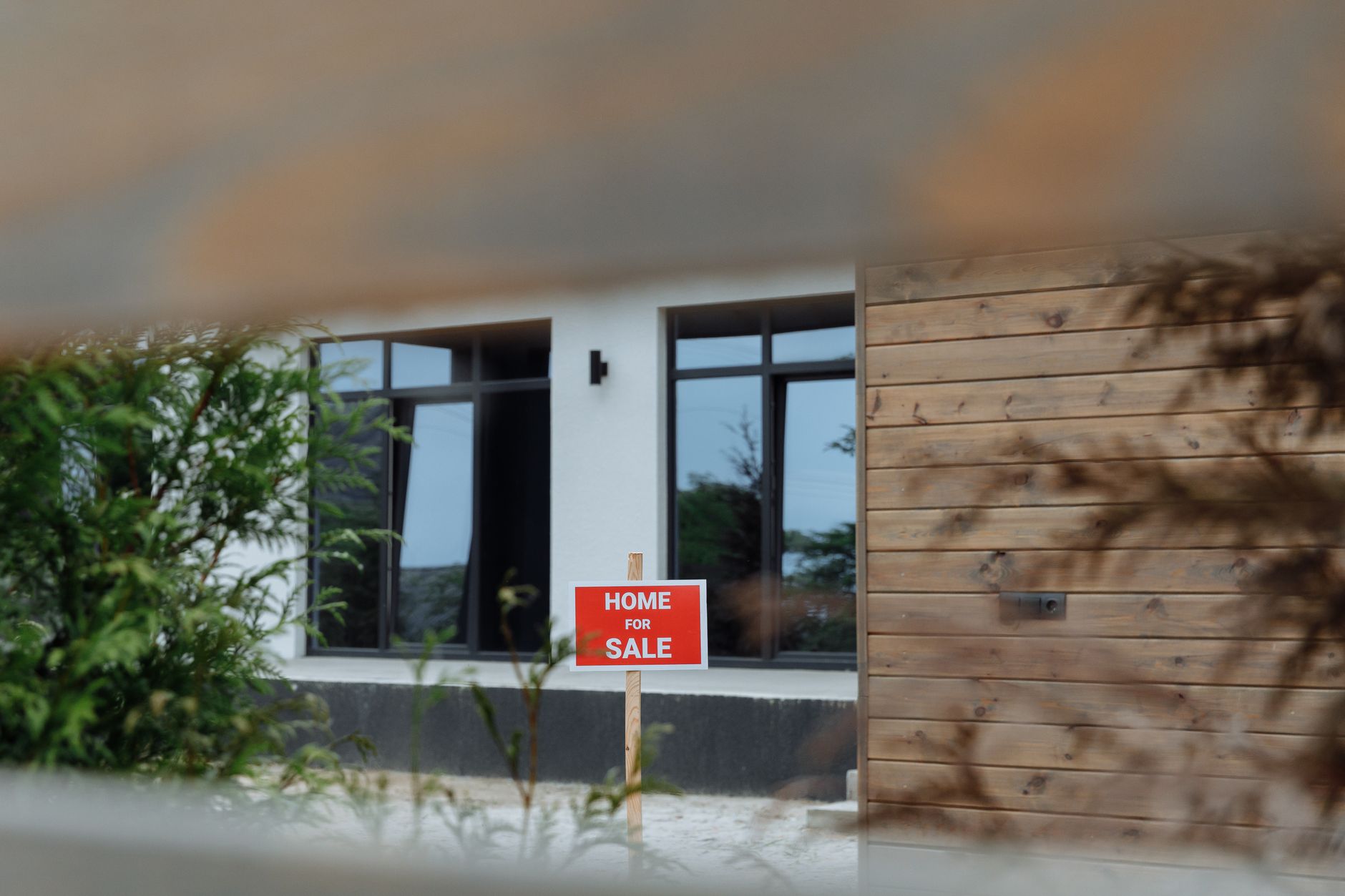
High mortgage rates are putting a brake on the UK housing market, with a significant number of homes lingering unsold and buyers holding back amid rising borrowing costs. According to recent data from property portal Zoopla, three in five homes listed since January remain on the market, highlighting a sharp slowdown in transactions. This stagnation reflects a complex interplay of elevated mortgage payments, cautious buyer behavior, and pricing challenges faced by sellers.
Mortgage Rate Surge Adds Pressure on Buyers
The UK housing market has been grappling with mortgage rates climbing sharply over recent months. In April, rates peaked following financial market turmoil linked to geopolitical tensions in the Middle East, notably the US-Israeli conflict involving Iran. This spike pushed the average two-year fixed mortgage rate from 4.83% in early March to a high of 5.90% in mid-April, before easing slightly to 5.54% by late May.
For many buyers, especially first-time purchasers, this translated into a substantial increase in monthly payments. On average, mortgage costs jumped by £125 per month compared to January, with London first-time buyers experiencing an even steeper rise of £232 monthly. In contrast, regions like the North East saw smaller increases, around £66 per month, reflecting regional disparities in housing costs and lending conditions.
Buyer Demand Slumps as Affordability Tightens
The direct consequence of these higher mortgage costs is a marked drop in buyer demand. Zoopla’s analysis indicates a 15% year-on-year decline in buyer interest through the end of May. This decline has been uneven across the UK, with Wales and the East Midlands experiencing sales drops of 12% and 11% respectively, while northern England and Scotland have seen more modest reductions.
First-time buyers have been particularly impacted, given their vulnerability to interest rate fluctuations and typically tighter budgets. The reduced appetite for purchasing has led to a glut of unsold properties, especially smaller flats. Zoopla reports that two-thirds of one- and two-bedroom flats listed this year remain unsold, signaling a mismatch between what buyers can afford and what sellers are asking.
Seller Pricing Strategies Under Scrutiny
This inventory buildup points to a crucial factor: pricing. While some homes are correctly priced and continue to attract buyers, many sellers are holding out for higher offers in a market that has shifted beneath their feet. Richard Donnell, Zoopla’s executive director, emphasizes that “correctly priced homes are selling, while overpriced homes are sitting.”
Estate agents corroborate this view, noting that across various price brackets, homes are exceeding buyer demand. The uncertainty created by geopolitical tensions and political changes in the UK has made buyers more cautious, prolonging the sales process and reducing the willingness to commit quickly.
Regional Variations Reflect Economic Realities
The housing market slowdown is not uniform. Northern England and Scotland have fared better, with fewer homes for sale and smaller increases in mortgage costs cushioning the impact on sales. In contrast, London and the South East face sharper price corrections and slower turnover due to higher borrowing costs and more expensive properties.
These regional differences highlight how local economic conditions, wage levels, and housing stock influence market dynamics. Buyers in more affordable areas can still find opportunities, while those in high-cost regions face steeper hurdles.
Signs of Hope as Mortgage Rates Begin to Ease
Despite the current challenges, there are early indications that conditions may be improving for buyers. Competition among lenders has increased, leading to slight reductions in mortgage rates. This easing, combined with a larger selection of homes and motivated sellers willing to negotiate, is creating more favorable conditions for those ready to enter the market.
However, the market remains sensitive to external shocks. Any further geopolitical instability or economic uncertainty could quickly reverse these tentative gains. For now, buyers and sellers alike are navigating a cautious landscape, balancing affordability with expectations amid a shifting financial environment.
Looking Ahead: What This Means for the UK Housing Market
The current slowdown is a reminder of how interconnected global events, monetary policy, and local housing markets have become. High mortgage rates serve as a natural brake on housing demand, which can help cool overheated markets but also risk pricing out many potential buyers.
For policymakers, the challenge lies in balancing inflation control with supporting housing affordability. For buyers, particularly first-timers, patience and careful financial planning are essential. Sellers must remain realistic about pricing and market conditions to avoid prolonged listings.
As mortgage rates stabilize and lenders compete for business, the market may gradually regain momentum. Yet, the legacy of recent rate hikes and geopolitical uncertainty will likely shape UK housing market dynamics well into the coming year.
Recommended reading
For more context, see related Peack News coverage and explainers linked below.