
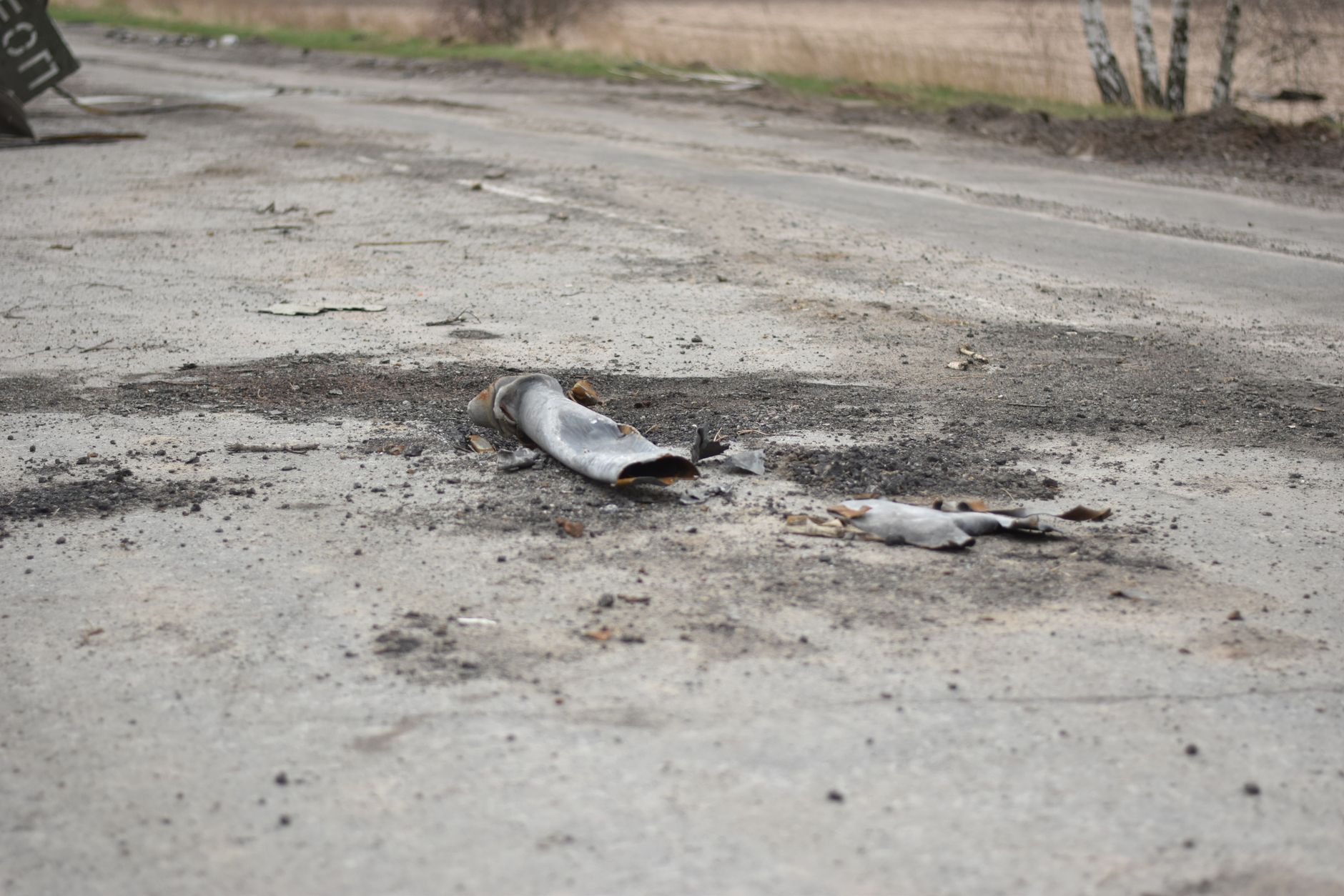
A ballistic missile strike by Houthi forces on Yemen’s presidential palace in Aden has resulted in the deaths of five people and injured 16 others, according to government officials. The attack targeted al-Maashiq Palace, the seat of Yemen’s internationally recognized government, amid ongoing conflict that continues to destabilize the region and exacerbate humanitarian suffering.
Missile Attack Deepens Yemen’s Political and Military Turmoil
The strike on the presidential palace marks a significant escalation in the conflict that has ravaged Yemen since 2014. Information Minister Moammar al-Eryani confirmed that although the prime minister and other key government figures were unharmed, the attack caused casualties among palace guards and civilian staff. The Houthis, a Shiite rebel group backed by Iran, claimed responsibility, stating they targeted what they described as the “Saudi enemy’s military operations headquarters in Aden.”
This attack comes against the backdrop of a broader proxy conflict between Saudi Arabia and Iran, with the Houthis serving as Iran’s principal ally in Yemen. Saudi Arabia leads a coalition supporting Yemen’s internationally recognized government, conducting airstrikes and providing military assistance to counter the Houthi advance. The missile strike on the palace is not an isolated incident but part of a series of cross-border attacks and retaliations that have intensified since mid-2023.
Strategic Importance of Aden and Its Impact on Regional Stability
Aden holds strategic value as Yemen’s temporary capital and port city, serving as a hub for the government and coalition forces. Control over Aden is crucial for maintaining legitimacy and operational command. The Houthis’ ability to launch ballistic missiles deep into Aden signals a worrying expansion of their military capabilities and reach.
The attack also highlights the fragile security situation in southern Yemen, where government forces have been fighting both the Houthis and various local militias. The ongoing conflict disrupts not only Yemen’s internal governance but also international maritime traffic through the nearby Bab al-Mandab Strait, a critical chokepoint for global energy shipments.
Humanitarian Consequences and the Broader War Context
Beyond the immediate loss of life, the missile strike underscores the continued suffering of Yemeni civilians caught in the crossfire. Since the conflict began, Yemen has been mired in one of the world’s worst humanitarian crises, with millions displaced and widespread food insecurity. The government’s health ministry reports thousands of casualties in recent months alone, while the UN warns of disease outbreaks and mass displacement.
The Houthis’ missile campaign against Saudi Arabia, including recent deadly attacks on Riyadh’s airport, has further internationalized the conflict. Saudi officials accuse Iran of fueling the violence by arming and training the Houthis, a charge Tehran denies while expressing willingness to facilitate peace talks. However, diplomatic efforts remain stalled amid rising hostilities and regional tensions.
Looking Ahead: Prospects for Peace and Stability
The latest missile strike on Yemen’s presidential palace signals that the conflict is far from resolution. With both sides entrenched and external powers involved, the path to peace appears fraught with obstacles. The Yemeni government’s vow to continue military operations reflects a determination to reclaim lost territory, but the human cost is mounting.
For the international community, the challenge remains to push for renewed negotiations and humanitarian access while addressing the broader geopolitical rivalries that perpetuate the war. Without a concerted effort to de-escalate and broker a sustainable settlement, Yemen’s capital and its people may face further devastation in the months ahead.
Recommended reading
For more context, see related Peack News coverage and explainers linked below.