
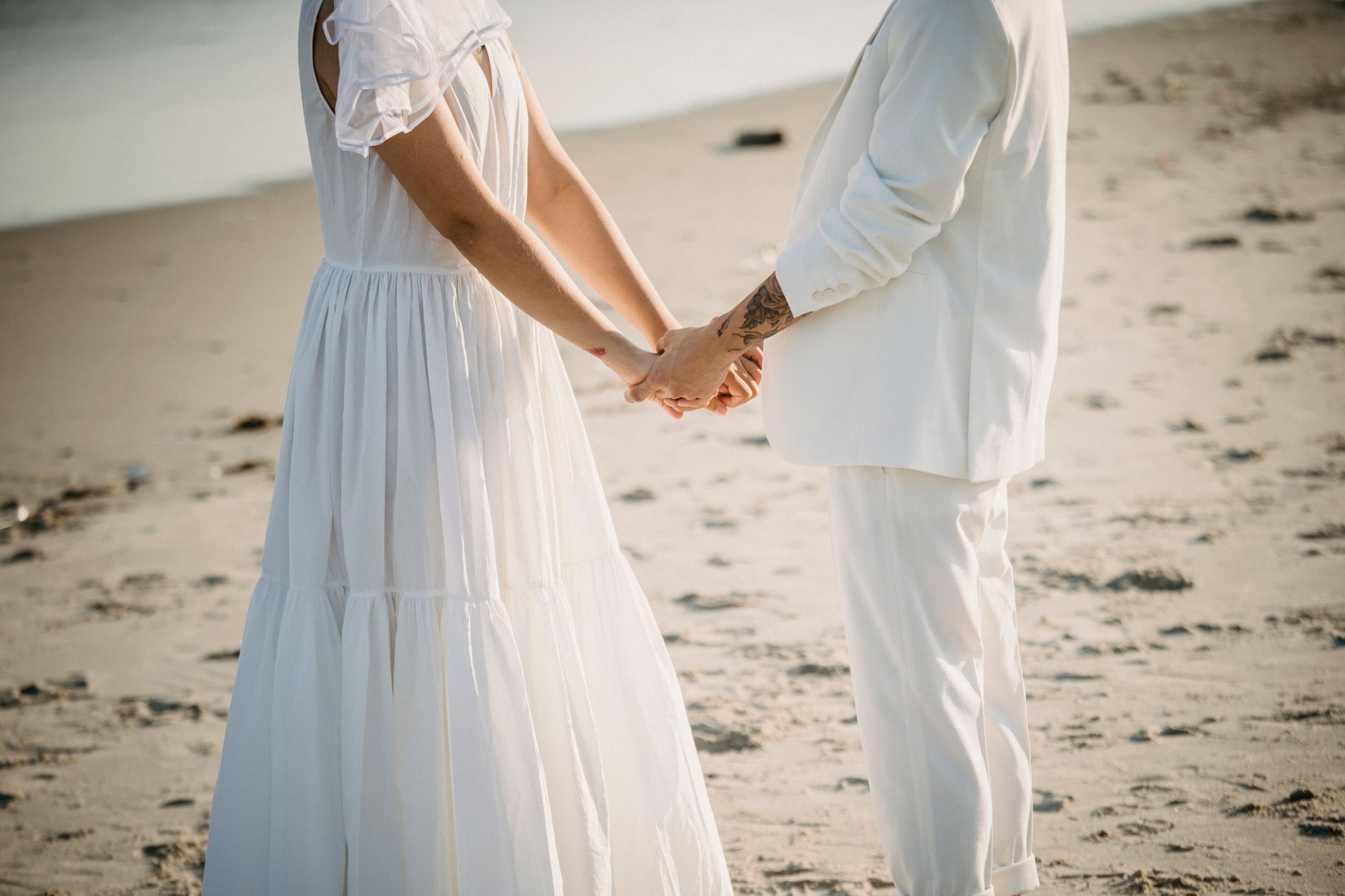
As temperatures soar and heatwaves become a recurring summer feature in the UK, couples planning weddings face a new set of challenges. This summer, many have had to scramble to adapt their big days to soaring temperatures, incurring unexpected costs and rethinking traditional wedding norms. With climate change pushing more frequent and intense heatwaves, the wedding industry is undergoing a transformation in how it prepares for and manages summer celebrations.
Heatwaves Force Last-Minute Changes and Extra Costs for Couples
Aimie Seale’s wedding in West Yorkshire this July vividly illustrates the difficulties of holding a summer wedding during a heatwave. Despite choosing a weekend to avoid rain, she and her guests endured temperatures around 30°C inside a largely glass church that trapped heat. The discomfort was palpable, with guests passing tissues to her husband who was drenched in sweat. To cope, Aimie and her partner Ryan had to hire an emergency marquee to provide shade and bring in an ice cream van to cool down their guests—unexpected expenses on top of an already costly day, with the average UK wedding exceeding £20,000.
This scenario is becoming increasingly common. Wedding planners and venues report surging last-minute requests for cooling fans, marquees, and other heat mitigation tools. Bridebook, a popular wedding planning app, noted a fivefold increase in searches for fans last summer compared to 2019. For suppliers and venues, these adjustments are not minor: the costs of renting air conditioning units, extra energy consumption, and cooling food and beverages run into thousands of pounds.
Changing Guest Behaviors and Industry Impacts
Heatwaves are not only uncomfortable—they are reshaping guest behavior and the economics of weddings. Venues have observed a sharp rise in water consumption, which is positive for hydration but problematic for logistics. More notably, alcohol sales are declining as guests opt for hydration over drinks, cutting into a key revenue stream for many venues.
Floral arrangements, a cornerstone of wedding aesthetics, are also suffering. Popular flowers like peonies and roses have seen their blooming periods shrink dramatically due to drought and heat stress. Florists report having to source from multiple growers to meet demand, increasing delivery costs and complicating logistics. This adds both time and financial pressures on floral designers, pushing up overall wedding expenses.
Shifting Wedding Dates and Seasonal Trends
Recognizing the risks of extreme summer heat, wedding planners are advising couples to reconsider traditional peak months. Sarah Haywood, a veteran wedding planner, notes a growing trend toward the “shoulder season” — traditionally June and September — now extending into October. Data from Bridebook’s 2026 UK Wedding Report confirms a rise in October bookings following hotter-than-average summers, as couples seek cooler, more comfortable conditions.
Some couples, like Marie Cavanagh, who plans a July wedding in Kent, are already factoring heat considerations into their clothing and event choices. Bridal stylists recommend lighter fabrics, sleeveless designs, and innovations like zinc oxide-infused materials that feel cooler to the touch. Practical advice includes avoiding heavy ballgowns that cling to the skin and instead using dress hoops to create airflow.
European Heatwaves Prompt Destination Wedding Rethinks
UK couples have long favored southern Europe for destination weddings, drawn by reliable sunshine and warm weather. However, this summer’s record-breaking 40°C-plus temperatures in countries like France and Spain have forced planners to rethink. Samantha Bottomley, a wedding planner based in France, reports shifting ceremonies to late afternoons and moving cocktail receptions indoors to escape the heat.
In response, some companies are promoting northern European destinations such as Denmark, Sweden, and Norway, where cooler climates offer a more comfortable alternative. This shift signals a broader recalibration of wedding planning in the face of climate change, with temperature considerations now as critical as venue aesthetics or guest lists.
Venues Invest in Cooling Infrastructure to Stay Competitive
For wedding venues, adapting to hotter summers is becoming essential to retain bookings. James Matthews, managing director of Xenia Venues in Essex and Suffolk, invested in a French-engineered orangery equipped with an air-to-air heat pump and effective ventilation to keep the space cool. He believes venues without such cooling infrastructure risk losing clients who prioritize guest comfort.
Other venues are introducing greenery and foliage to create natural shade and lower ambient temperatures. These investments, while costly, are viewed as necessary to meet evolving expectations and maintain profitability in an industry sensitive to weather conditions.
Practical Tips for Couples Planning Summer Weddings
- Dress smart: Opt for lightweight, breathable fabrics and avoid heavy sleeves or tight-fitting gowns.
- Time it right: Schedule ceremonies and receptions outside peak heat hours, ideally early evening.
- Provide shade: Use marquees with adjustable sides, parasols, or natural shade to protect guests from direct sun.
- Hydrate guests: Set up accessible water stations separate from bars and consider distributing water bottles proactively.
- Mind the cake: Choose wedding cake ingredients that withstand heat better than buttercream, which melts easily.
As heatwaves become a fixture of the UK summer, the wedding industry’s ability to adapt will be crucial. From shifting dates to investing in cooling technology and rethinking traditional styles, couples and vendors alike must innovate to ensure that love and celebration can thrive, even under the hottest skies.
Recommended reading
For more context, see related Peack News coverage and explainers linked below.