
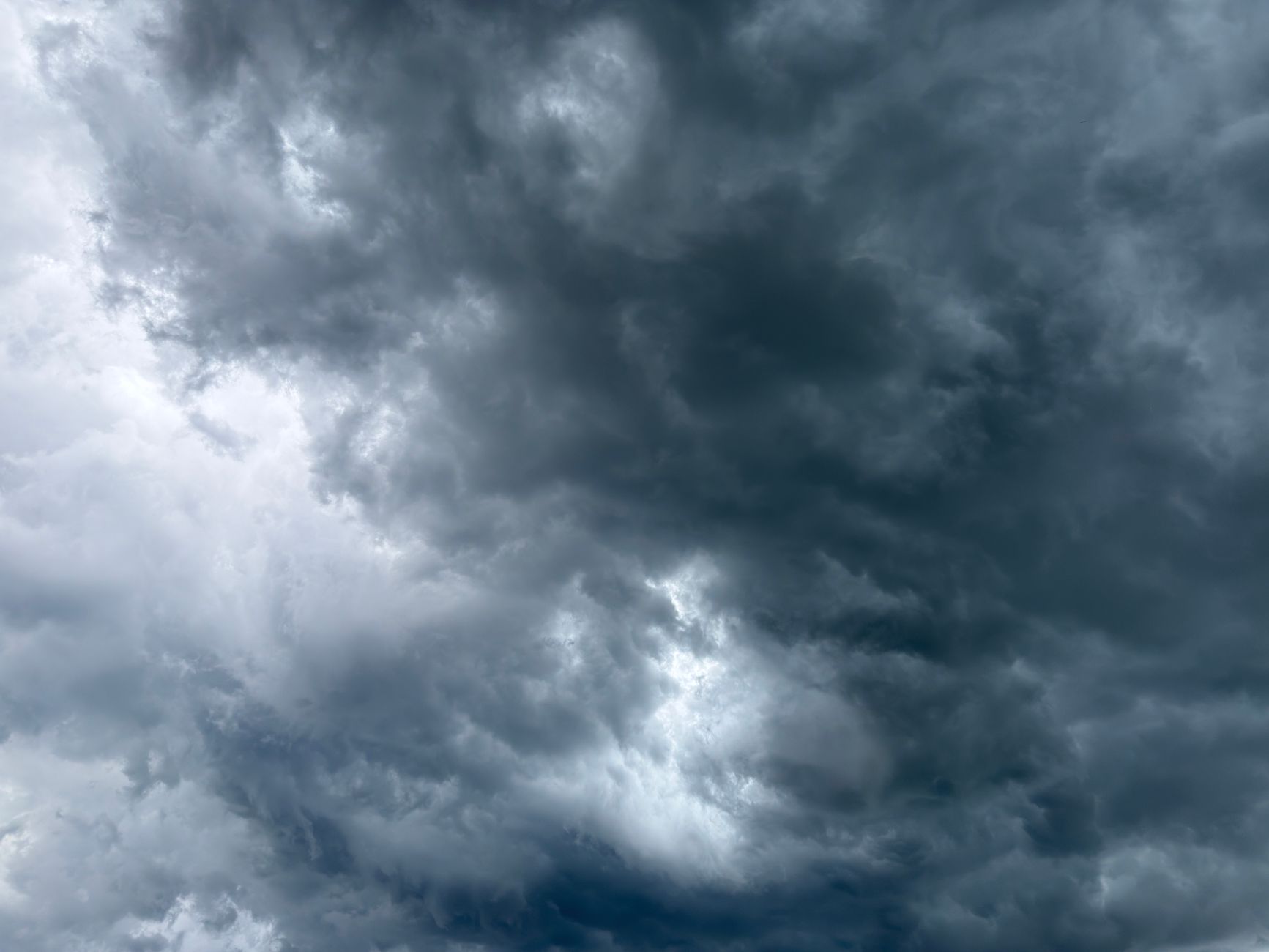
Hurricane Polo, a powerful category-three storm, is closing in on Mexico’s Baja California Sur, threatening to unleash destructive winds, heavy rains, and life-threatening flooding in a region famed for its scenic coastlines and bustling tourist hubs. As the storm edges closer to the popular resort area of Los Cabos, emergency services and residents are bracing for significant impacts that could disrupt daily life and pose serious risks to safety.
Approaching Landfall Near Cabo San Lucas
Hurricane Polo is expected to make landfall north of Cabo San Lucas, a key tourist destination on the southern tip of the Baja California peninsula. With sustained winds near 115 mph (185 km/h), the storm has already begun battering the northern Pacific coast of Mexico, bringing intense gusts and flooding to parts of Baja California Sur. The National Hurricane Center (NHC) has issued urgent warnings about the rapid deterioration of conditions as the eye of the hurricane moves inland Monday evening.
Authorities have taken precautionary measures, including closing schools and restricting beach access in Cabo San Lucas, a town well-known for its iconic natural rock arch and vibrant marine activities. Many businesses, including restaurants frequented by sport fishers and whale watchers, have shuttered in anticipation of the storm’s arrival.
Preparedness Amid Growing Threats
Residents across the affected region have been boarding up homes and stocking up on essentials such as drinking water and food supplies. The federal government has mobilized thousands of navy and army personnel, along with specialized equipment, to assist with potential evacuations and emergency response. Temporary shelters have been opened by local authorities to accommodate those displaced by the storm.
Governor Víctor Manuel Castro Cosío of Baja California Sur has emphasized the seriousness of the situation, ordering schools to remain closed and urging residents to seek safe shelter immediately. Travel restrictions and port closures are in effect to minimize risks posed by dangerous surf, rip currents, and the anticipated storm surge.
El Niño’s Role in Intensifying the Hurricane
Meteorologists have linked Hurricane Polo’s strength and slow movement to the exceptionally warm Pacific waters fueled by the El Niño climate phenomenon. This warming has contributed to an unusually active hurricane season in the region, with Polo being one of the most formidable storms so far. The El Niño effect is expected to peak soon, potentially influencing the development and intensity of future storms in the months ahead.
The combination of warm ocean temperatures and favorable atmospheric conditions has allowed Polo to maintain its intensity as it approaches the Mexican coastline, raising concerns about the potential for extensive damage from wind, flooding, and mudslides, especially in areas with steep terrain.
Wider Impacts Beyond Baja California Sur
While the immediate focus is on Baja California Sur, the remnants of Hurricane Polo are forecasted to bring strong, gusty winds to parts of southern New Mexico and western Texas after the storm weakens. This extended reach highlights the broader implications of Pacific hurricanes on inland weather patterns far from the coast.
Emergency agencies across northern Mexico and southern U.S. states are monitoring the situation closely, preparing for possible disruptions and secondary hazards such as flash floods and wind damage. The storm surge accompanying Polo could generate large, destructive waves along the northwestern coast of Mexico, posing additional dangers to coastal communities and marine traffic.
Tourism and Economic Concerns Amid the Storm
Los Cabos and surrounding areas rely heavily on tourism, which is now facing a temporary halt as the hurricane approaches. The closure of beaches, suspension of travel, and shutdown of popular attractions and services are expected to impact local businesses and workers. While these measures are necessary for public safety, the economic ripple effects could linger beyond the storm’s passage.
Officials are balancing the need for stringent safety protocols with efforts to minimize disruption. The region’s experience with past hurricanes has informed a rapid response strategy, but the intensity of Polo and the unpredictability of its path underscore the challenges ahead.
As Hurricane Polo moves ashore, the resilience of Baja California Sur’s communities and the effectiveness of emergency preparations will be tested. The storm serves as a stark reminder of the increasing power of Pacific hurricanes in an era of climate variability, urging continued investment in disaster readiness and sustainable coastal management.
Recommended reading
For more context, see related Peack News coverage and explainers linked below.