
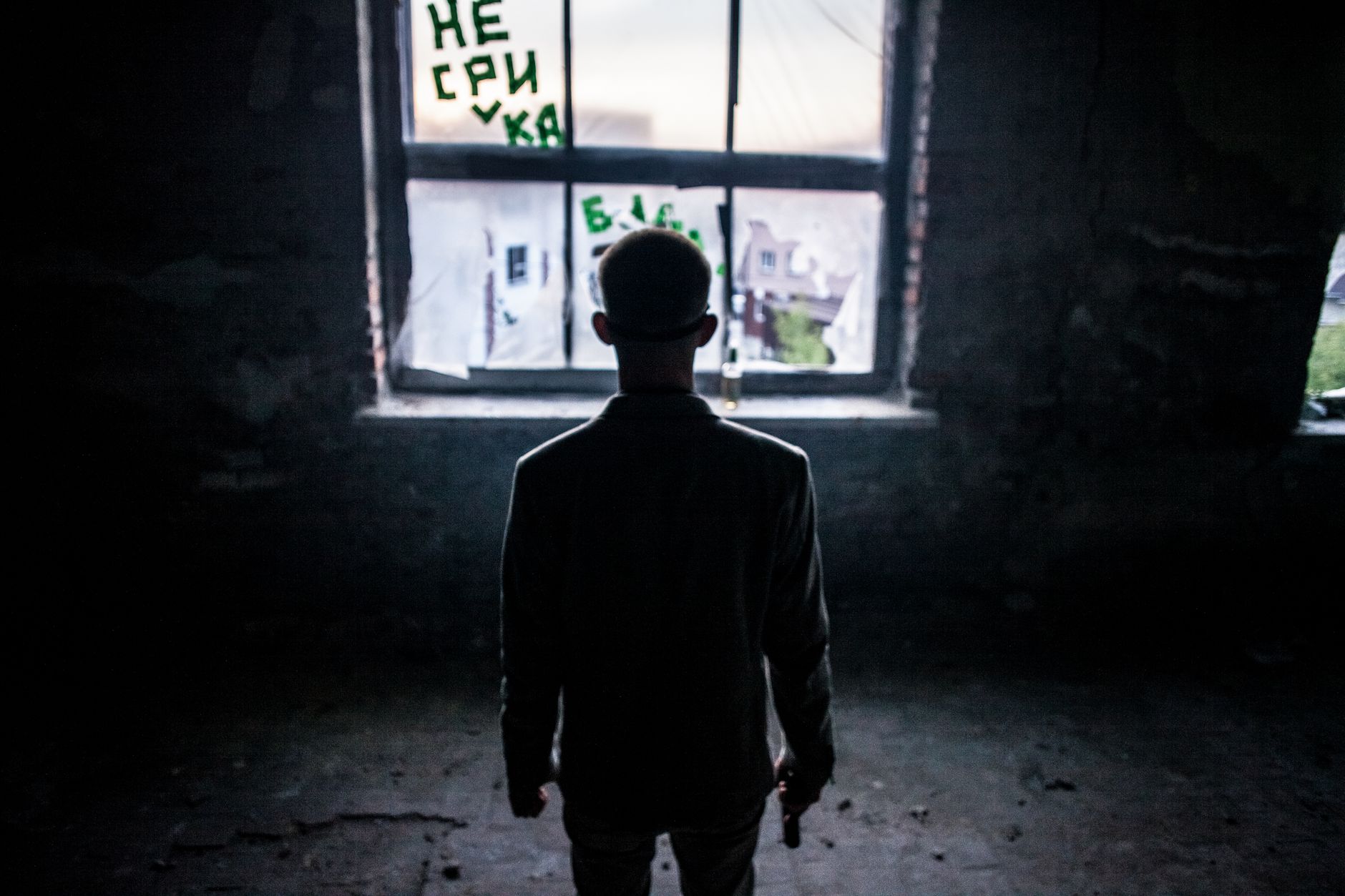
Deep within Russia’s borders, a covert network of saboteurs aligned with Ukrainian intelligence is quietly undermining the Kremlin’s military capabilities. These operatives, driven by ideological opposition to Vladimir Putin’s regime, are engaging in high-risk surveillance and sabotage operations aimed at crippling Russia’s war machine from within. Their stories, shared for the first time in a BBC World Service documentary, reveal a shadow war waged inside one of the most tightly controlled states on earth.
A Network Operating in the Shadows of the Kremlin
Two men, identified only by their pseudonyms Ivan and Foma, offer a rare glimpse into the clandestine efforts supporting Ukraine’s military intelligence (GUR) inside Russia. Ivan, who remains inside Russia, claims involvement in drone strikes targeting strategic bombers and munitions factories, critical nodes in Russia’s war infrastructure. Meanwhile, Foma, living in exile in Poland, coordinates a network of undercover volunteers who surveil high-level Russian military officers considered potential targets by Ukrainian intelligence.
These operations are not just about gathering information; they represent a direct challenge to the Kremlin’s grip on power. The saboteurs’ work aims to accelerate what they see as the inevitable collapse of Putin’s regime by weakening its military effectiveness and instilling fear among those responsible for prosecuting the war in Ukraine.
From Surveillance to Sabotage: The Mechanics of Covert Operations
Ivan’s role involves detailed reconnaissance and preparation for sabotage attacks. He describes carefully hiding drone components and explosives near military airfields—actions that, if discovered, would result in decades-long prison sentences for terrorism. His work exemplifies the dangerous cat-and-mouse game these saboteurs play, operating under constant threat of detection by Russia’s formidable security apparatus.
Foma’s network functions differently but is no less critical. He trains volunteers remotely, teaching them how to trail Russian military officials without leaving digital traces. His team collects extensive data on targets, including their residences, vehicles, and schedules, enabling Ukrainian intelligence to plan precise strikes. Despite the high stakes, Foma emphasizes that his group does not carry out assassinations themselves but provides intelligence to those who do.
The Human Cost and Psychological Toll
Operating inside Russia as an anti-Putin agent carries immense personal risk. Ivan recounts close calls, such as being stopped by police while transporting explosives. The fear of capture and torture is a persistent shadow that follows these operatives daily. Yet, their commitment remains unwavering, fueled by a conviction that their actions are necessary to end the war and bring down a regime they view as illegitimate and brutal.
Foma, once part of Russia’s elite, now leverages his insider knowledge and contacts to expose military targets and support the resistance from abroad. Both men acknowledge the shrinking pool of ideological opponents inside Russia—many have fled or been imprisoned—making their work all the more vital and perilous.
Challenges of Trust and Verification in Covert Warfare
The murky nature of espionage and sabotage means verifying these accounts is inherently difficult. Even Ukrainian handlers admit they cannot fully trust any individual operatives, reflecting the paranoia and complexity of intelligence work. Ivan, for example, undergoes lie detector tests and meets handlers in third countries to establish trust, yet doubts linger on all sides.
This uncertainty underscores the opaque reality of modern hybrid warfare, where truth is a casualty and information is weaponized. The fact that Ivan has been able to travel relatively freely raises questions but also highlights vulnerabilities within Russia’s security system—“holes” that skilled insiders can exploit to operate undetected.
Implications for the Future of the Conflict
The existence of such a network inside Russia signals a deep fracture within the country’s society and military establishment. It suggests that the war is not just being fought on Ukrainian soil but also within Russia itself, where dissent and resistance simmer beneath the surface.
For the Kremlin, this represents a significant internal security threat, complicating efforts to maintain control and morale. For Ukraine, these operatives are force multipliers, extending the battlefield into enemy territory and disrupting Russian military operations from within.
As the war drags on, the role of covert saboteurs like Ivan and Foma may become increasingly decisive. Their stories reveal that the conflict is as much about information, trust, and psychological warfare as it is about tanks and artillery. In the shadows of Putin’s Russia, a quiet insurgency persists, determined to hasten the end of a regime through acts of defiance and sabotage.
Recommended reading
For more context, see related Peack News coverage and explainers linked below.
- Trump lifts multiple Russia sanctions amid escalating dispute with Zelensky
- Photos reveal luxury boat with 50m pool and slides near Kim Jong Un’s retreat
- Oregon teacher confronted attacker before armed father shot suspect multiple times
- Explainer: Major Cybersecurity Threats in 2026
- Explainer: US-China Tech Competition