
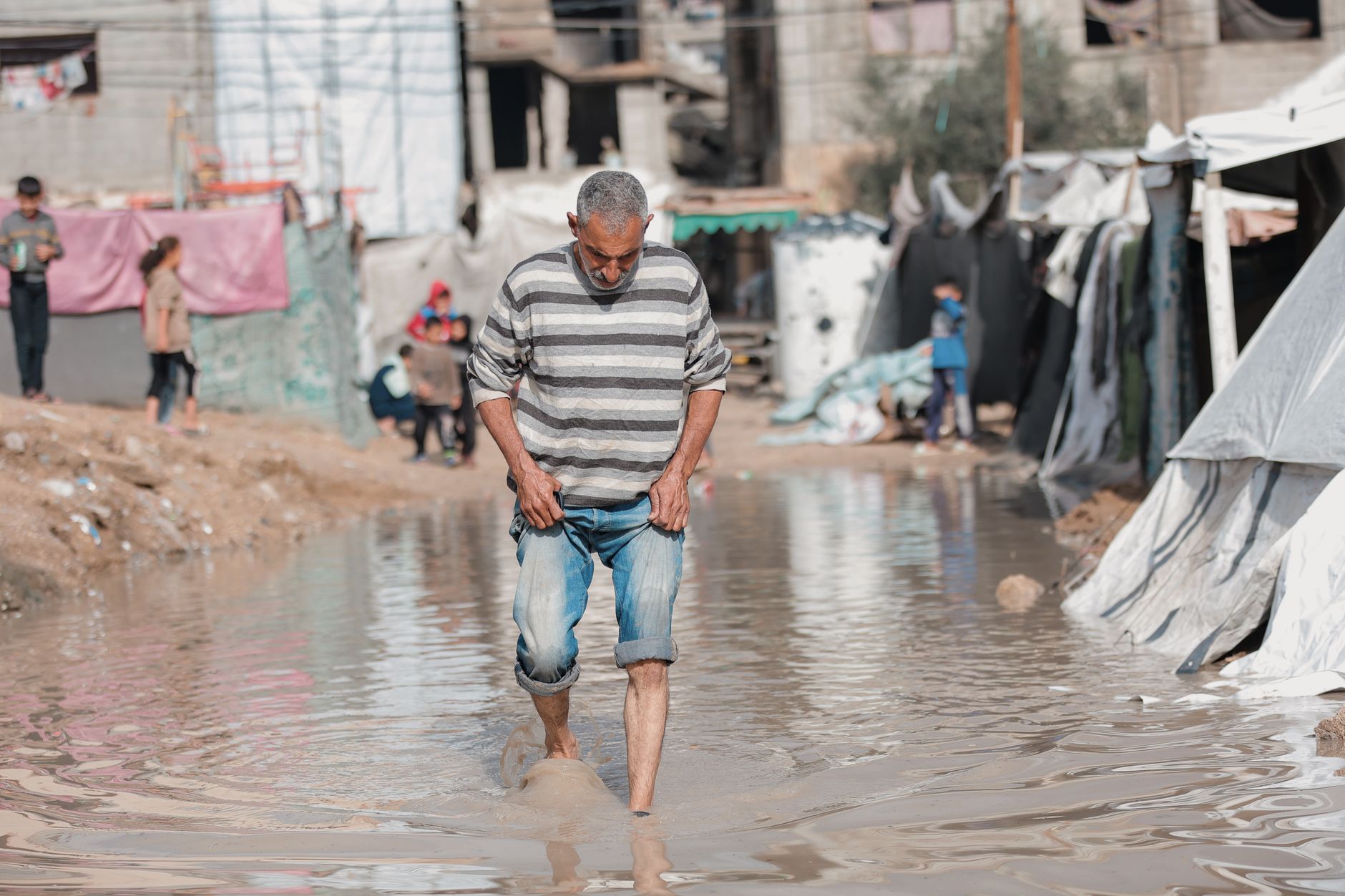
Israeli military forces have intensified their operations in Hebron, a major city in the occupied West Bank, demolishing homes and businesses and displacing hundreds of Palestinian families. This crackdown follows the deadly attack on two Israeli soldiers earlier this week and comes amid a politically charged atmosphere just days before Israel’s national elections.
Military Response to Deadly Attack Escalates in Hebron
On Friday, two Palestinian gunmen attacked an Israeli checkpoint in Hebron, killing two soldiers and wounding three others before being killed themselves. In retaliation, Prime Minister Benjamin Netanyahu authorized a sweeping military operation targeting the neighborhoods associated with the attackers. The Israeli Defense Forces (IDF) began demolishing buildings, including residential homes and commercial sites, in the Ein Deir Baha and Farsh al-Hawa areas.
The scale of the operation is significant: Israeli officials estimate that around 2,000 residents have been displaced so far, with plans to displace up to 2,500 people across approximately 0.35 square kilometers. Palestinian local authorities report that more than 200 families have been forced from their homes, some spending nights outdoors after being ordered to evacuate without their belongings or vehicles.
Political Calculations Behind the Crackdown
Netanyahu’s decision to launch this aggressive campaign appears closely tied to the upcoming Israeli general election, scheduled for just days after the attack. Known for emphasizing security in his political platform, Netanyahu’s swift response serves both as a demonstration of resolve and a message to his right-wing voter base.
Observers and local Palestinian officials, including Hebron’s mayor, suggest the operation is designed to appeal to far-right constituencies, including settlers, by projecting strength and a hardline stance against Palestinian militancy. The mayor described the operation as “driven by the elections,” hinting at the political motivations behind the military’s actions.
Far-right members of Netanyahu’s government have echoed this approach, with Finance Minister Bezalel Smotrich calling for a campaign in the West Bank “exactly like in Gaza or Lebanon,” and National Security Minister Itamar Ben Gvir advocating for dismantling the Palestinian Authority altogether. These voices signal a potential shift toward more extreme policies in the occupied territories if Netanyahu’s coalition solidifies power.
Humanitarian Impact and International Reactions
The demolition of homes as a punitive measure against families of suspected attackers is a longstanding and controversial practice. Human rights groups have condemned it as collective punishment, prohibited under international law. The displacement of hundreds of families exacerbates an already dire humanitarian situation in Hebron, where restrictions on movement and economic activity have long stifled Palestinian life.
The Palestinian Authority has called for urgent international intervention to halt the forced displacements, warning that the operation risks further destabilizing an already fragile region. Meanwhile, the IDF has indicated that its operations will continue for several days, with dozens of targets across the West Bank, but has not provided detailed responses to inquiries from international media.
Broader Implications for the West Bank and Israeli-Palestinian Relations
This latest military operation in Hebron could mark the beginning of a more extensive campaign in the West Bank. Netanyahu has hinted at plans for the largest military operation in the territory since 1967, though details remain vague. The current demolitions and displacements could presage a broader clampdown on Palestinian communities, potentially inflaming tensions further.
Hebron, a city with deep religious and political significance, has long been a flashpoint in the Israeli-Palestinian conflict. The recent actions risk deepening divisions, undermining prospects for peace, and fueling cycles of violence. The timing—coinciding with Israel’s election—raises concerns that political considerations are driving security policies, potentially at the expense of long-term stability.
The Path Forward Amid Rising Tensions
As Israel heads to the polls, the situation in Hebron underscores the fraught intersection of security, politics, and human rights in the occupied territories. The international community faces mounting pressure to respond decisively to prevent further displacement and violence. Meanwhile, Palestinians in Hebron grapple with the immediate consequences of losing their homes and livelihoods.
The coming weeks will be critical in determining whether Israel’s security operations evolve into a broader campaign across the West Bank or whether diplomatic efforts can intervene to ease tensions. What is clear is that the human cost of these policies continues to rise, with vulnerable families caught in the crossfire of political and military agendas.
Recommended reading
For more context, see related Peack News coverage and explainers linked below.