
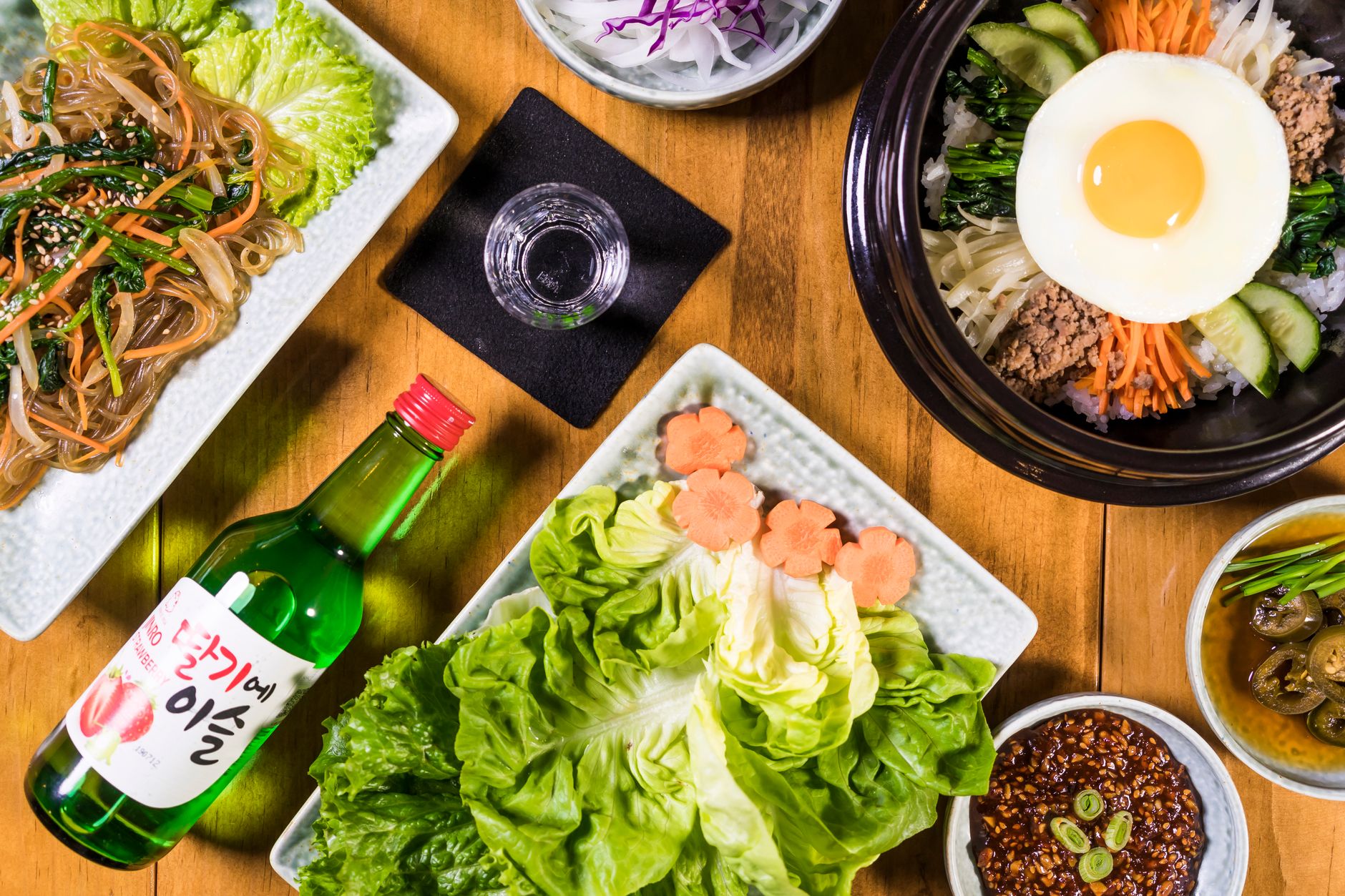
In a culinary landscape where meat often dominates, Korean cuisine offers a refreshing perspective by placing vegetables at the heart of its meals. Chef Joo Won, co-owner of London’s Calong, has recently shared recipes for two quintessential Korean vegetarian starters—pajeon and japchae—that showcase the vibrant, balanced, and nuanced role vegetables play in Korean cooking. These dishes exemplify how vegetables are not mere side notes but the main event, celebrated for their texture, flavor, and nutritional value.
The Art of Vegetable-Centric Korean Cooking
Korean cuisine is deeply rooted in a tradition that elevates vegetables through simple yet thoughtful preparation techniques. Rather than overwhelming ingredients with heavy sauces or complex processes, Korean cooking often emphasizes preserving the natural taste of vegetables. Methods such as blanching, light sautéing, fermenting, and pickling are common, allowing the inherent flavors and textures to shine.
Seasoning is typically delicate but purposeful, relying on staples like garlic, sesame oil, soy sauce, and fermented pastes such as doenjang (soybean paste) and gochujang (red chili paste). This approach reflects centuries of culinary evolution shaped by Korea’s seasonal climate, resourcefulness, and the necessity to preserve food for winter months. The result is a harmonious balance of flavors and colors on the plate, where vegetables provide both contrast and complementarity within a meal.
Joo Won’s Pajeon: A Vegetable Pancake with a Crispy Twist
Pajeon is a savory Korean pancake traditionally made with scallions, but Joo Won’s recipe expands on this by incorporating a variety of vegetables like asparagus, courgette, onion, and optional red chili for a mild kick. The batter is made from tempura flour, which is already seasoned, simplifying the preparation and ensuring a light, crispy texture.
The vegetables are sliced into uniform pieces and mixed directly into the batter before frying in a thin layer of oil. The pancake is cooked on medium-high heat, flipped carefully to achieve a golden crust on both sides while keeping the vegetables tender yet crisp inside. This dish is served with a tangy soy-vinegar dipping sauce, balancing the pancake’s richness with acidity and a hint of sweetness from finely diced onion and sugar.
What stands out about this pajeon is its versatility: the choice of vegetables is flexible, allowing cooks to adapt based on seasonality or personal preference. This adaptability echoes a broader Korean culinary philosophy that encourages using fresh, local ingredients to create dishes that are both satisfying and nourishing.
Japchae: Stir-Fried Glass Noodles Elevate Vegetables
Japchae is another Korean classic that foregrounds vegetables alongside chewy, translucent sweet potato starch noodles. Joo Won’s vegetarian version features a colorful medley of carrot, chestnut mushrooms, onion, mangetout, hispi cabbage, courgette, and asparagus. The vegetables are cut into thin strips and lightly stir-fried with garlic to maintain their crunch and freshness.
The sauce is a balanced blend of light soy sauce, mushroom stir-fry sauce (a vegetarian alternative to oyster sauce), caster sugar, and sesame oil, which coats the noodles and vegetables, infusing the dish with umami and a subtle sweetness. The noodles are soaked beforehand to soften, then combined with the vegetables and sauce, briefly heated just until everything is evenly mixed and warm.
A final garnish of white sesame seeds and thinly sliced red chili adds a nutty aroma and a touch of heat, enhancing the dish’s complexity without overpowering its delicate balance.
Why These Recipes Matter in Today’s Food Culture
Joo Won’s shared recipes for pajeon and japchae come at a time when plant-based eating is gaining momentum globally, driven by environmental concerns, health awareness, and culinary curiosity. Korean cuisine’s vegetable-forward approach offers a compelling model for how to make vegetarian dishes that are flavorful, texturally interesting, and culturally rich.
Moreover, these recipes highlight the importance of simplicity and respect for ingredients, countering the misconception that vegetarian cooking is bland or limited. By drawing on traditional Korean techniques and seasonings, Joo Won demonstrates how vegetables can be elevated into dishes that satisfy both the palate and the soul.
For home cooks and food lovers alike, these starters invite exploration into the vibrant world of Korean vegetable dishes, encouraging a deeper appreciation of how vegetables can take center stage in any meal.