
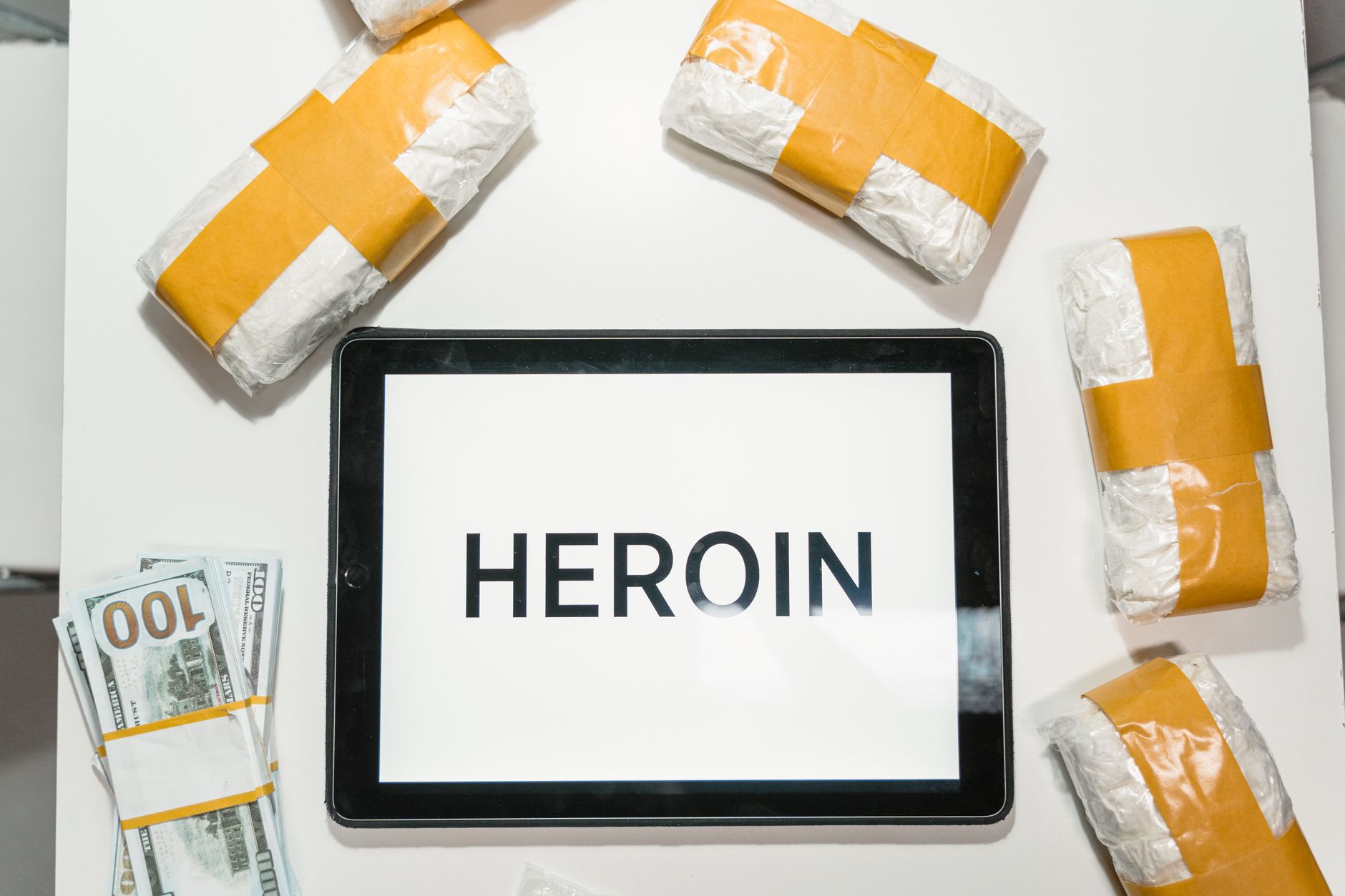
The arrest of Fausto Isidro “Chapo Isidro” Meza Flores marks a significant blow to the drug trafficking networks that have long plagued Mexico and spilled violence and narcotics into the United States. Known for his ruthless leadership of the Guasave Cartel, Meza Flores was captured after a fierce shootout with Mexican special forces in Sinaloa, a region synonymous with cartel activity. This operation not only highlights Mexico’s intensified crackdown on organized crime but also underscores the complex and deadly nature of cartel rivalries that continue to destabilize the region.
How the Capture Unfolded Amid Intense Violence
Mexican special forces, acting on intelligence reportedly shared by U.S. agencies, launched a surprise raid in Guasave, Sinaloa, targeting Meza Flores and his inner circle. The operation encountered heavy resistance, with gunfire and explosives exchanged between cartel gunmen and the military. The ensuing chaos resulted in the deaths of seven suspects and tragically, four soldiers who were en route to bolster security forces in the area. Videos from the scene showed helicopters firing into the compound and civilians fleeing amid the gunfire, illustrating the high-risk environment in which these operations occur.
Meza Flores was apprehended along with seven others, including his second-in-command and his financial operator, both close relatives. The detainees were swiftly transported to Mexico City to face prosecution, while authorities seized an arsenal of weapons, including grenade launchers, as well as significant quantities of drugs and cash. The aftermath of the arrest also saw violent reprisals in the region, with reports of burning vehicles and road blockades, reflecting the cartel’s attempt to assert power and retaliate.
The Rise and Reach of the Guasave Cartel
Meza Flores’ criminal career dates back to the 1990s, initially as a high-ranking figure within the Beltrán Leyva Organization. Following internal splits and violent turf wars, he founded the Guasave Cartel around 2013, carving out a stronghold in Sinaloa. This cartel quickly became embroiled in fierce competition with the dominant Sinaloa Cartel, leading to an “extremely violent turf war” that has contributed to the region’s ongoing instability.
Under Meza Flores’ leadership, the Guasave Cartel expanded its operations to flood the U.S. market with fentanyl, cocaine, heroin, and methamphetamine. The U.S. Department of Justice has linked the cartel to the distribution of millions of fentanyl pills, a deadly synthetic opioid that has fueled a public health crisis across America. His inclusion on the FBI’s 10 Most Wanted list in 2025 reflected the severity of his crimes, which include drug trafficking, kidnapping, extortion, and torture.
Implications for U.S.-Mexico Drug Enforcement Cooperation
Meza Flores’ capture is a testament to the growing, though often contentious, collaboration between Mexican and U.S. authorities. While Mexico has fiercely guarded its sovereignty by resisting U.S. military presence on its soil, intelligence sharing and joint operations have become more frequent under recent administrations. This arrest, facilitated by U.S. intelligence, signals a pragmatic approach amid political sensitivities.
However, the violence surrounding the operation also exposes the risks inherent in confronting entrenched cartels. The loss of Mexican soldiers and the immediate backlash from cartel members highlight the ongoing danger faced by law enforcement and civilians alike. It also raises questions about how Mexico will manage cartel violence internally while balancing diplomatic pressures from Washington.
The Road Ahead: Challenges in Dismantling Cartel Networks
While the removal of a key cartel leader like Meza Flores disrupts drug trafficking routes and sends a strong message, history shows that such arrests rarely end cartel violence or drug flows. Cartels often splinter, leading to more localized but equally brutal conflicts. The Guasave Cartel’s power vacuum may spur internal struggles or embolden rival groups like the Sinaloa Cartel to consolidate control, potentially escalating violence further.
Mexican President Claudia Sheinbaum’s administration faces the daunting task of sustaining momentum against organized crime without escalating militarization or human rights abuses. Balancing tough enforcement with social and economic reforms in cartel-affected regions will be critical to reducing the allure of the drug trade for vulnerable communities.
For the United States, the arrest is a reminder of the persistent challenges at the southern border and the complex dynamics fueling the opioid epidemic. Continued cooperation with Mexico will be vital, but so too will addressing demand-side factors and improving domestic drug treatment and prevention efforts.
Fausto Isidro “Chapo Isidro” Meza Flores’ capture is a pivotal moment in the ongoing battle against transnational drug trafficking. Yet, it is also a stark reminder of the entrenched violence and systemic issues that will require sustained, multifaceted strategies to overcome.
Recommended reading
For more context, see related Peack News coverage and explainers linked below.