
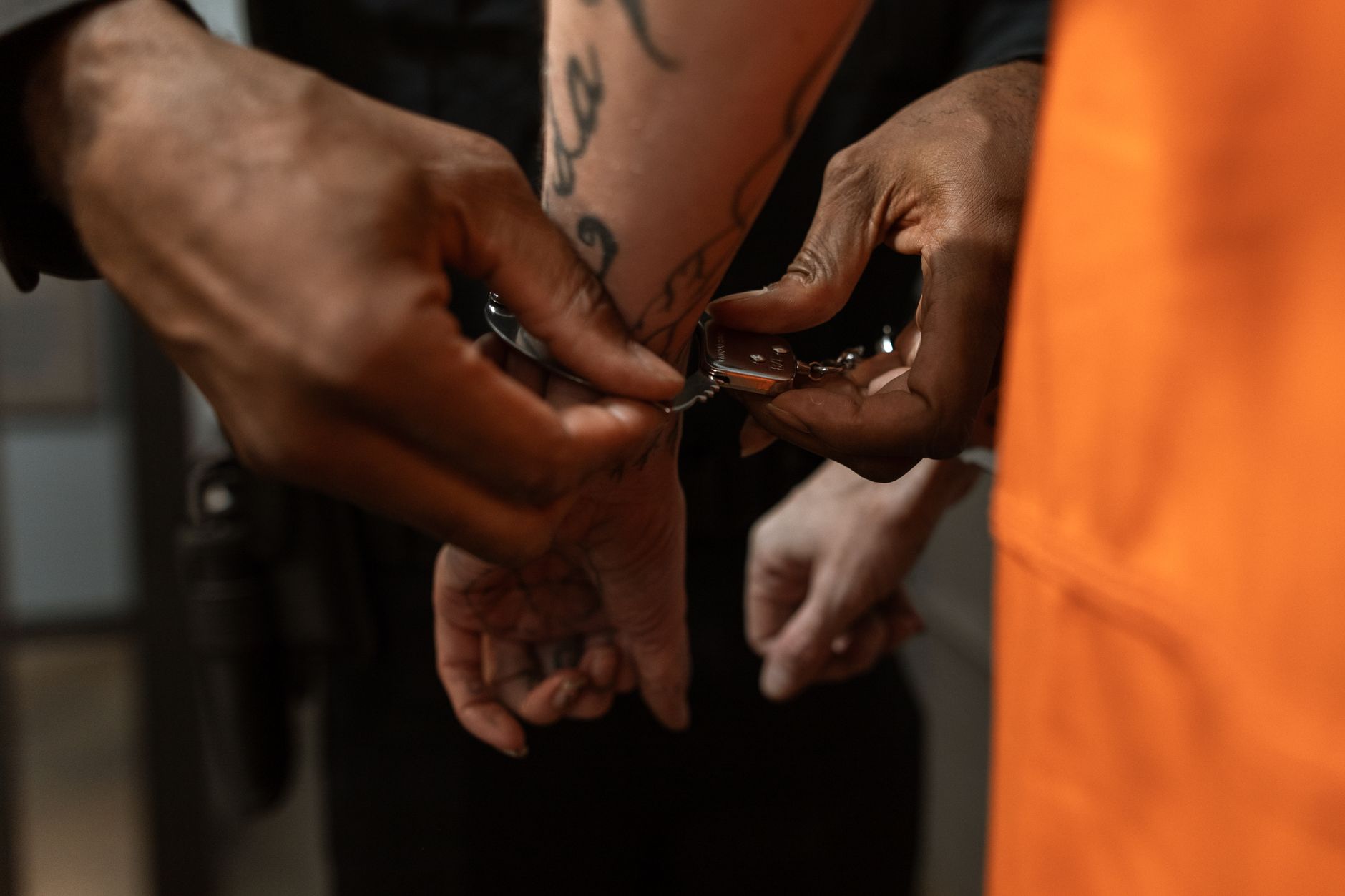
The arrest of a Mississippi man in connection with the death of Tasia Fortune, a Black woman found hanged from a tree in Jackson, has brought a measure of relief to a community grappling with fear and historical trauma. The case, which police now confirm as a homicide, has reverberated far beyond the city’s borders, highlighting ongoing concerns about racial violence and justice in the United States.
From Silence to Arrest: The Turning Point in a Troubling Case
Tasia Fortune’s body was discovered in August on the lot of an abandoned home in Jackson, Mississippi’s capital and a city with a predominantly Black population. For weeks, the investigation saw little public progress, and the silence from local authorities fueled anxiety among residents. It wasn’t until this week that Jackson police formally acknowledged they were treating the death as a homicide, a development followed swiftly by the arrest of 51-year-old Jarques Ratliff.
Police Chief RaShall Brackney emphasized that while the arrest marks a significant milestone, the investigation remains ongoing. Ratliff, who is also Black, is charged with murder, though details about his connection to Fortune have not been fully disclosed. The police have interviewed 15 individuals so far and anticipate additional arrests as evidence unfolds.
Community Trauma and Historical Context
The nature of Fortune’s death—hanging from a tree—evokes a painful legacy of racial terror in Mississippi and across the American South. Lynchings were a brutal tool of racial oppression, and their memory still weighs heavily, especially in places like Jackson where the scars of segregation and violence linger.
Residents and officials alike have expressed concern that these recent cases may represent a disturbing resurgence of racially charged violence. This fear is compounded by reports of at least 10 similar hangings of Black individuals nationwide this year, prompting more than 50 members of Congress to call for independent federal investigations into these deaths. The letter from Congress highlighted more than 70 documented lynchings since 2000, underscoring the persistence of this form of racial violence in modern America.
The Family’s Struggle for Justice and Communication
Tasia Fortune’s mother, Christy Spivey, has been vocal about the frustration and grief experienced during the early weeks of the investigation. She described a period marked by sparse communication from law enforcement, despite her repeated attempts to seek updates. This lack of transparency added to the family’s anguish and the community’s unease.
Following the arrest, Spivey expressed a cautious sense of relief, hoping that justice will be served and that the right person has been held accountable. Her sentiments reflect a broader demand for accountability and responsiveness from law enforcement agencies, especially in cases that touch on racial sensitivities.
Implications for Law Enforcement and Racial Justice
The case of Tasia Fortune has become a focal point for discussions about how law enforcement handles incidents involving Black victims, particularly when the circumstances are reminiscent of historical racial violence. The initial hesitancy to classify the death as a homicide and the slow flow of information to the family highlight systemic issues in police responsiveness and community trust.
Chief Brackney’s public commitment to transparency and ongoing investigation is a step toward rebuilding trust, but the community’s reaction underscores the need for sustained efforts to address these concerns. The involvement of federal lawmakers signals potential for broader scrutiny and reform, as the nation grapples with the legacy of racial violence and the imperative to protect all citizens equally.
Looking Ahead: The Path to Healing and Accountability
As investigators continue their work, the arrest in Tasia Fortune’s case may be the beginning rather than the end of a long process toward justice. The community of Jackson, and the country at large, will be watching closely to see how the case unfolds and whether it leads to meaningful change in how racially sensitive crimes are handled.
The intersection of historical trauma, modern-day violence, and the demand for justice in this case serves as a stark reminder of the work still needed to confront racial inequities in the United States. For Tasia Fortune’s family and the Jackson community, the hope is that this painful chapter will ultimately contribute to healing and a renewed commitment to equality under the law.
Recommended reading
For more context, see related Peack News coverage and explainers linked below.