
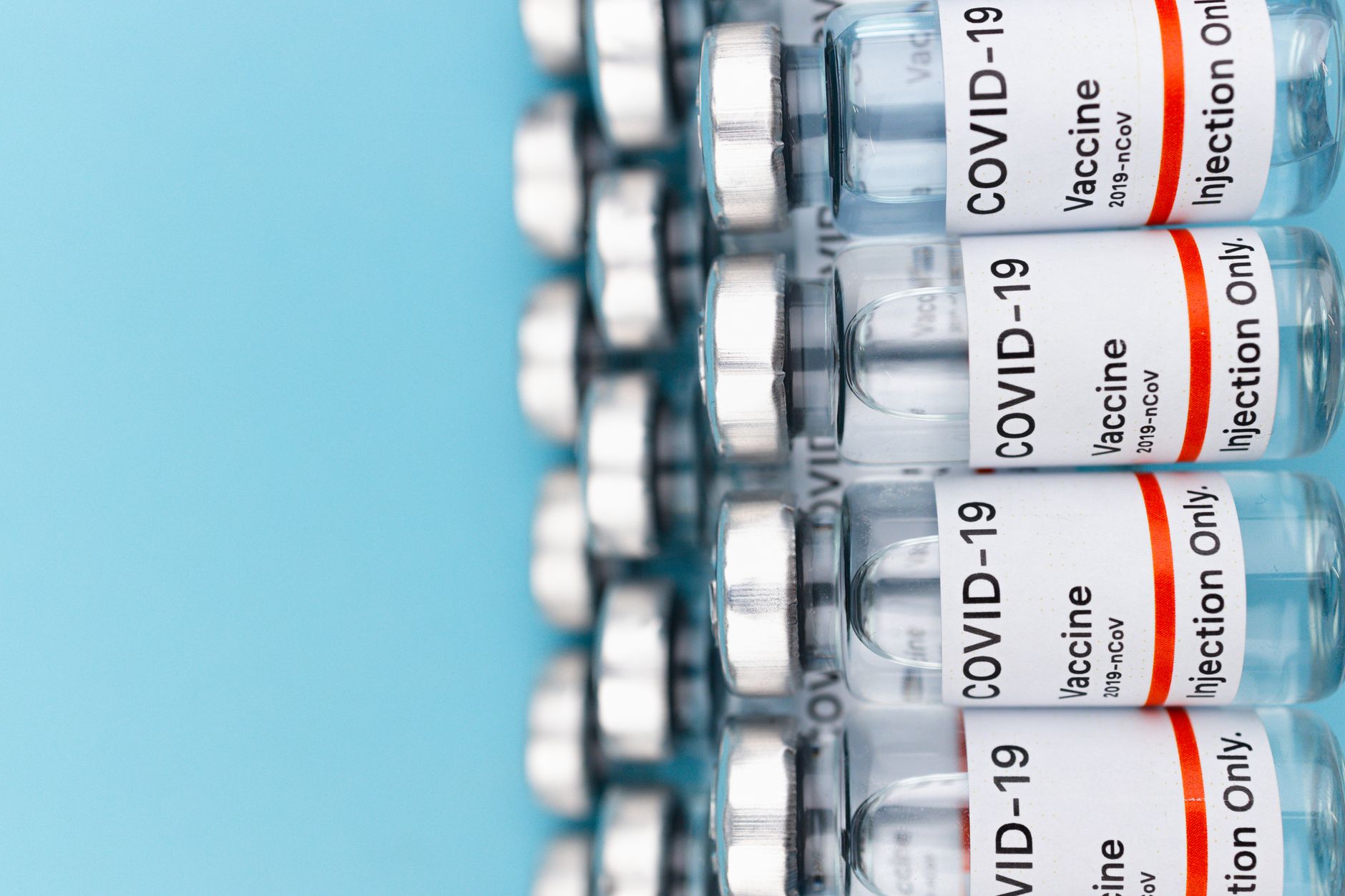
This autumn, the NHS has launched an updated flu vaccination campaign targeting a refined strain of the virus that caused an unusually severe and early outbreak last winter. The rollout prioritizes schoolchildren and pregnant women, groups identified as key vectors in flu transmission, while also preparing the healthcare system for the potential pressures of the coming season. With last year’s flu season hitting unexpectedly hard and early, the NHS’s proactive approach reflects lessons learned from recent challenges and the ongoing need to shield vulnerable populations.
Addressing the Super-K Strain: What’s New in This Year’s Vaccine?
Last winter’s flu season was marked by the emergence of a mutated influenza strain known as subclade K, or colloquially dubbed “Super-K.” Although not a formal medical term, this strain’s rapid spread caught public health officials off-guard, leading to a surge in cases and increased hospital admissions. The Super-K strain did not signify a more dangerous virus in terms of treatment resistance, but rather one against which population immunity was low, allowing it to spread quickly.
In response, this year’s flu vaccine has been reformulated to better target this specific strain. Such annual updates are routine in flu vaccination programs worldwide, as influenza viruses constantly mutate. Predicting which strains will dominate requires careful surveillance and global cooperation, with southern hemisphere countries like Australia and New Zealand often serving as early indicators of what might come in the northern hemisphere.
Fortunately, the flu seasons in these countries have been relatively mild this year, offering some hope that the UK may avoid a severe outbreak. However, the unpredictability of influenza means caution remains paramount.
Why Focus on Schoolchildren and Pregnant Women?
Children, especially those in school settings, are among the most efficient transmitters of flu viruses. Their close contact in classrooms and playgrounds facilitates rapid spread, which can then extend to family members and the wider community. Vaccinating children not only protects them but also reduces the overall circulation of the virus, indirectly shielding more vulnerable groups such as the elderly and those with weakened immune systems.
Pregnant women are another priority group because they face higher risks of severe flu complications, which can also affect fetal health. Immunizing expectant mothers provides dual protection—both to the mother and to the newborn, who gains some immunity through maternal antibodies.
From September, schoolchildren and pregnant women have been able to access the free NHS flu vaccine, with children receiving a nasal spray and adults an injection. This early start aims to build immunity ahead of the typical winter peak.
Preparing for a Potentially Challenging Winter
The NHS is bracing for another demanding winter season, following what was reported as the busiest summer on record for healthcare services. Last winter’s early flu surge placed enormous strain on emergency departments and urgent care, exacerbated by the novel Super-K strain. NHS officials have emphasized the importance of vaccination as a frontline defense to mitigate hospital admissions and protect healthcare workers from additional pressure.
Beyond those prioritized early, other eligible groups—such as people aged 65 and over, carers, and individuals with certain health conditions—will be invited to receive their free flu jab starting in October. Invitations will come via phone or postal service, aiming to ensure high uptake among those at greatest risk.
Pharmacies, general practitioners, and schools are all involved in the distribution effort, making vaccination accessible to a broad segment of the population. For those outside eligibility criteria, vaccines remain available privately, typically costing between £10 and £20.
Expanding Protection: RSV Vaccines for Older Adults
This year also marks the introduction of a new vaccine targeting Respiratory Syncytial Virus (RSV) for older adults. RSV is a common respiratory virus that can cause severe illness, particularly in the elderly and those with chronic lung conditions. The NHS is lowering the age threshold for this vaccine from 75 to 65 for individuals with certain pre-existing conditions, reflecting a growing recognition of RSV’s impact on public health.
The dual approach of vaccinating against both flu and RSV represents a strategic effort to reduce respiratory illnesses that often overlap in symptomatology and seasonality, thereby easing the burden on healthcare services during winter months.
Public Health Messaging and the Importance of Vaccination
Despite the availability of vaccines, flu remains a significant public health challenge because of its ability to mutate and spread rapidly. Health experts stress that vaccination is the best available tool to prevent severe illness and complications. The vaccines themselves cannot cause flu; instead, they prime the immune system to recognize and combat the virus effectively.
The NHS’s campaign underscores that flu can affect anyone, regardless of age or fitness level, and that even healthy individuals can experience debilitating symptoms or complications. This message aims to encourage widespread uptake, particularly among those who might otherwise underestimate their risk.
As the UK heads into another winter season, the combination of updated vaccines, targeted early immunization, and heightened preparedness within the NHS offers a stronger defense against the unpredictable nature of influenza. However, success will depend heavily on public participation and timely vaccination.
Recommended reading
For more context, see related Peack News coverage and explainers linked below.