
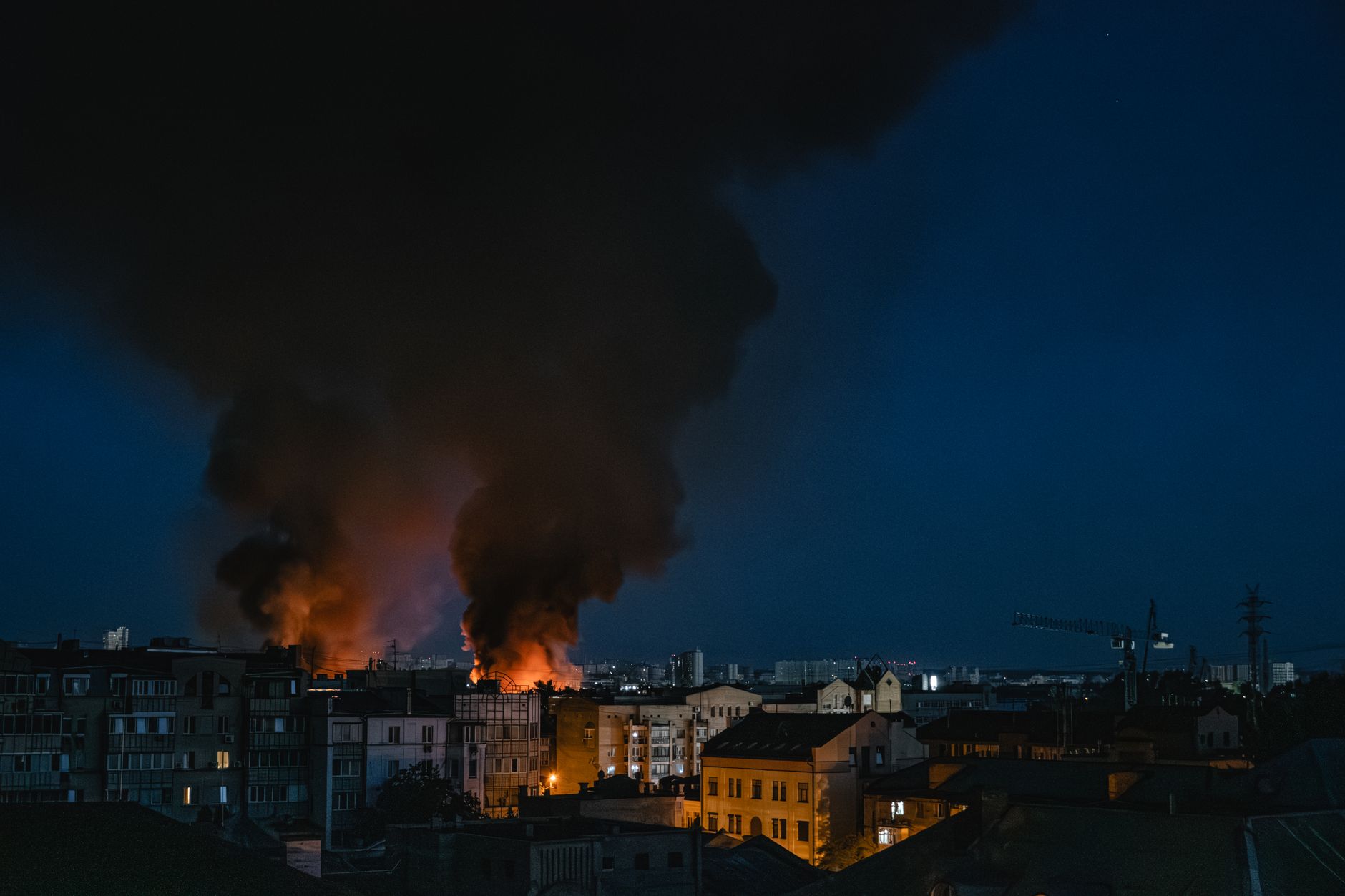
In a rare moment of respite amid the ongoing conflict in Ukraine, officials have confirmed the extension of a ceasefire in the Kherson region, particularly benefiting the besieged city of Oleshky. This development offers a glimmer of hope for several thousand residents trapped without basic necessities such as food, water, and electricity, highlighting the fragile yet critical role of humanitarian corridors in war zones.
Ceasefire Expansion Brings Temporary Relief to Oleshky
The ceasefire, initially brokered to allow the delivery of humanitarian aid to Oleshky, has been extended across the wider Kherson region. The city, under Russian occupation since early 2022, has endured severe hardships following the destruction of the Kakhovka Dam in 2023, which severed its access to electricity, gas, and clean water. With the Dnipro River acting as a natural barrier and Russian forces controlling the opposite bank, escape routes remain perilous, often mined and vulnerable to drone attacks.
Thanks to mediation efforts involving notable figures such as US First Lady Melania Trump and Pope Leo XIV, the ceasefire has so far held without reported violations. This fragile calm has created a window for humanitarian convoys to reach the city and for plans to evacuate residents who wish to leave. The truce is described by Ukrainian officials as the largest de-escalation since the full-scale invasion began in 2022.
The Humanitarian Crisis: Life on the Edge in Oleshky
Before the war, Oleshky was home to approximately 24,000 people. Now, only around 1,700 to 2,000 remain within the city limits, with a few thousand more in surrounding areas. The blockade and destruction have plunged the population into extreme deprivation. Many residents have resorted to foraging for garden weeds to stave off hunger, while others face the constant threat of injury from unexploded ordnance and landmines.
One poignant account from a woman hospitalized after stepping on a landmine underscores the dangers civilians face daily. Despite these risks, many are desperate to escape, yet the evacuation routes are fraught with uncertainty and danger. The lack of open shops and basic utilities has transformed Oleshky into a near ghost town, with no access to essential services.
Complexities Surrounding the Evacuation and Trust Issues
While the ceasefire permits humanitarian aid deliveries and evacuations, details remain murky, and trust between civilians and occupying forces is minimal. Many residents are wary of providing personal information, fearing reprisals or forced displacement. The Russian-installed administration claims that most evacuees wish to remain in Russia or the annexed Crimea, but these assertions lack independent verification.
Ukrainian authorities have cautioned against spreading unverified information about evacuation routes, emphasizing the risks of misinformation in such a volatile environment. President Volodymyr Zelensky has voiced concerns that evacuees routed through Russian-controlled areas may be compelled to stay there, complicating efforts to reunite families and maintain territorial integrity.
Strategic and Political Implications of the Ceasefire
The ceasefire in Kherson represents more than a humanitarian pause; it is a delicate diplomatic maneuver with significant strategic implications. For Russia, maintaining control over Kherson is vital for its southern front, while Ukraine views the region as a key to reclaiming lost territory. The agreement brokered with international involvement signals a rare moment of cooperation, potentially paving the way for further dialogue.
However, the destruction of infrastructure, such as bridges over the Dnipro River, and the extensive mining of escape routes underscore the deep mistrust and tactical calculations underpinning the conflict. The ceasefire’s success or failure could influence broader peace negotiations, with Ukrainian officials hopeful that this de-escalation might serve as a stepping stone toward a more comprehensive resolution.
Voices from the Ground: Hopes and Fears Among Residents
Residents in Kherson city, under Ukrainian control, have reported a noticeable calm since the ceasefire began, with increased pedestrian and vehicular movement. Yet, for those trapped in Oleshky, the situation remains dire. Many fear that evacuation could mean permanent displacement or scrutiny by Russian forces, particularly through invasive checks of phones and communications.
Some who have managed to flee recount harrowing journeys through minefields and hostile territories. Their testimonies highlight the profound mistrust of Russian intentions and the desperate need for safe, direct passage to Ukrainian-held areas. The absence of viable crossing points over the Dnipro River continues to hamper these efforts, leaving civilians caught between conflict lines.
As the ceasefire holds into early November, the world watches closely. The unfolding events in Kherson serve as a stark reminder of the human cost of war and the complex interplay between military strategy, humanitarian needs, and international diplomacy. Whether this temporary calm can evolve into lasting peace remains uncertain, but for now, it offers a vital lifeline to those who have endured unimaginable hardship.
Recommended reading
For more context, see related Peack News coverage and explainers linked below.