
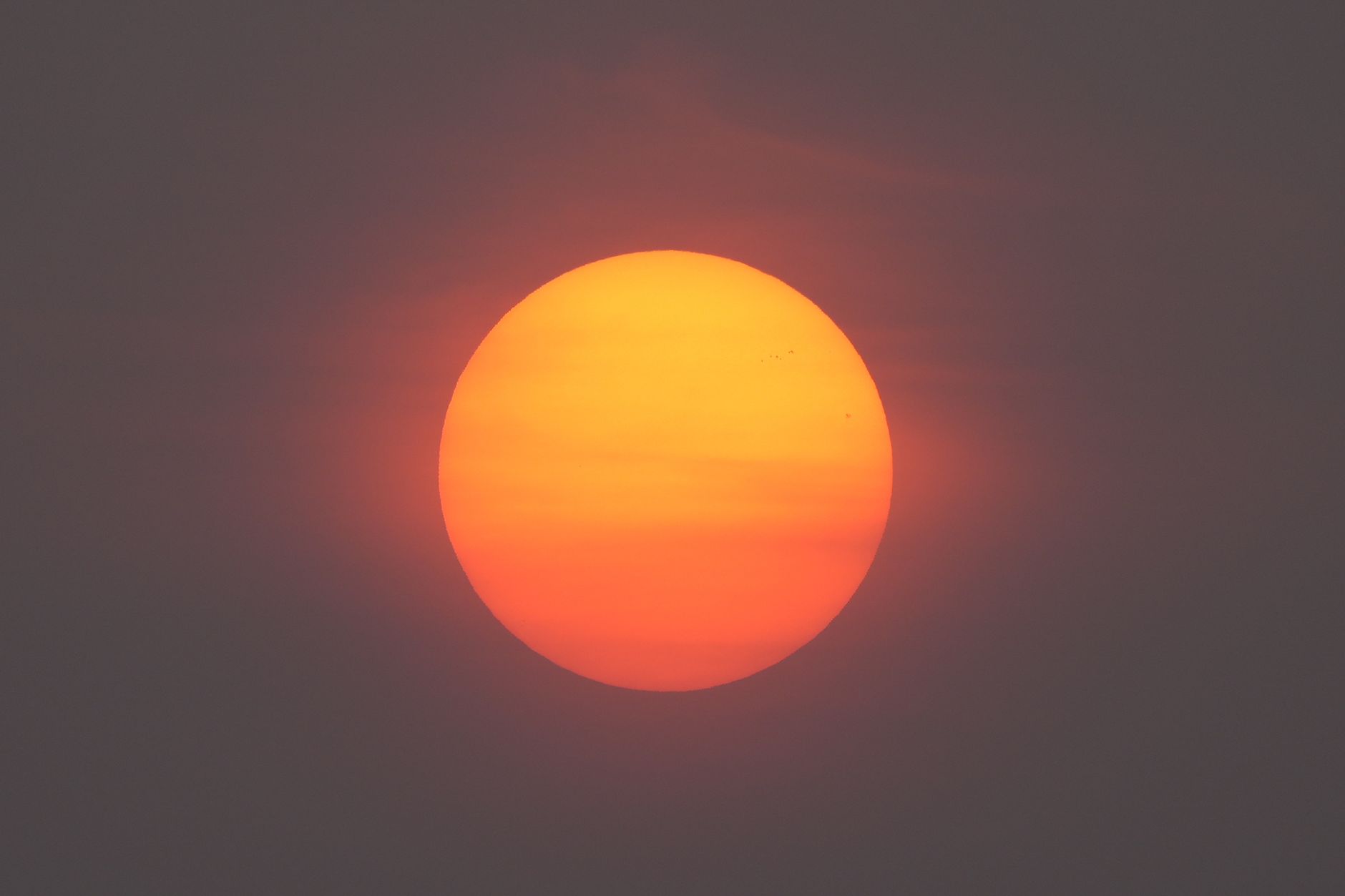
Smoke from nearly a thousand wildfires raging across Canada has cast an eerie orange haze over parts of Ontario and northern United States, signaling the ongoing challenges posed by the country’s wildfire season. Though the current smoke levels are not expected to reach the intensity seen last year, the widespread visibility of the haze underscores the persistent threat wildfires pose to air quality and public health in the region.
Smoke from 838 Active Wildfires Clouds Skies Across Borders
The Canadian Interagency Forest Fire Centre reports 838 active wildfires currently burning across the country, a staggering number that reflects both dry conditions and the increasing frequency of fire outbreaks. The smoke plumes generated by these fires have drifted southward, enveloping large swaths of Ontario and pushing into northern US states such as Michigan, New York, and parts of New England.
The orange-tinted haze, visible even from satellite imagery, results from sunlight filtering through dense smoke particles, creating a surreal atmospheric effect. Residents in affected areas have reported diminished visibility and a distinctive smoky smell in the air, a reminder that the impacts of Canadian wildfires extend far beyond provincial borders.
Comparisons to 2023’s Record-Breaking Smoke Event
Last summer, smoke from Quebec’s wildfires blanketed much of the US East Coast, leading to hazardous air quality levels and widespread public health warnings. While officials emphasize that this year’s smoke is not expected to reach the same severity, the current situation still highlights vulnerabilities in regional air quality management.
Experts attribute the difference in smoke severity to several factors, including fire intensity, prevailing wind patterns, and overall wildfire distribution. The 2023 event was driven by a few massive fires that produced dense, persistent smoke plumes. This year, the fires are more numerous but generally smaller, resulting in more dispersed smoke that, while widespread, is less concentrated.
Environmental and Health Implications of Prolonged Smoke Exposure
Even at lower concentrations, wildfire smoke contains fine particulate matter (PM2.5) and other pollutants that can aggravate respiratory conditions, trigger asthma attacks, and increase the risk of cardiovascular problems. Vulnerable populations, including children, the elderly, and those with preexisting health issues, are particularly at risk during these smoke events.
Public health agencies in both Canada and the US have issued advisories recommending that residents limit outdoor activities, especially strenuous exercise, when smoke levels rise. Air quality monitoring stations across affected regions are actively tracking particulate concentrations to inform timely warnings.
Wildfires as a Growing Challenge Amid Climate Change
Canada’s wildfire season has lengthened and intensified over the past decades, a trend linked to climate change and changing forest conditions. Warmer temperatures, drier soils, and increased lightning strikes create a tinderbox environment prone to frequent and widespread fires. The current spate of wildfires is a stark illustration of these evolving risks.
Managing such a vast number of fires simultaneously strains firefighting resources and complicates containment efforts. It also raises questions about long-term forest management strategies, including controlled burns, forest thinning, and community preparedness to mitigate the impacts of future wildfire seasons.
As the smoke continues to drift across borders, it serves as a visible reminder of the interconnectedness of environmental challenges and the need for coordinated regional responses to protect public health and ecosystems from the growing threat of wildfires.
Recommended reading
For more context, see related Peack News coverage and explainers linked below.