
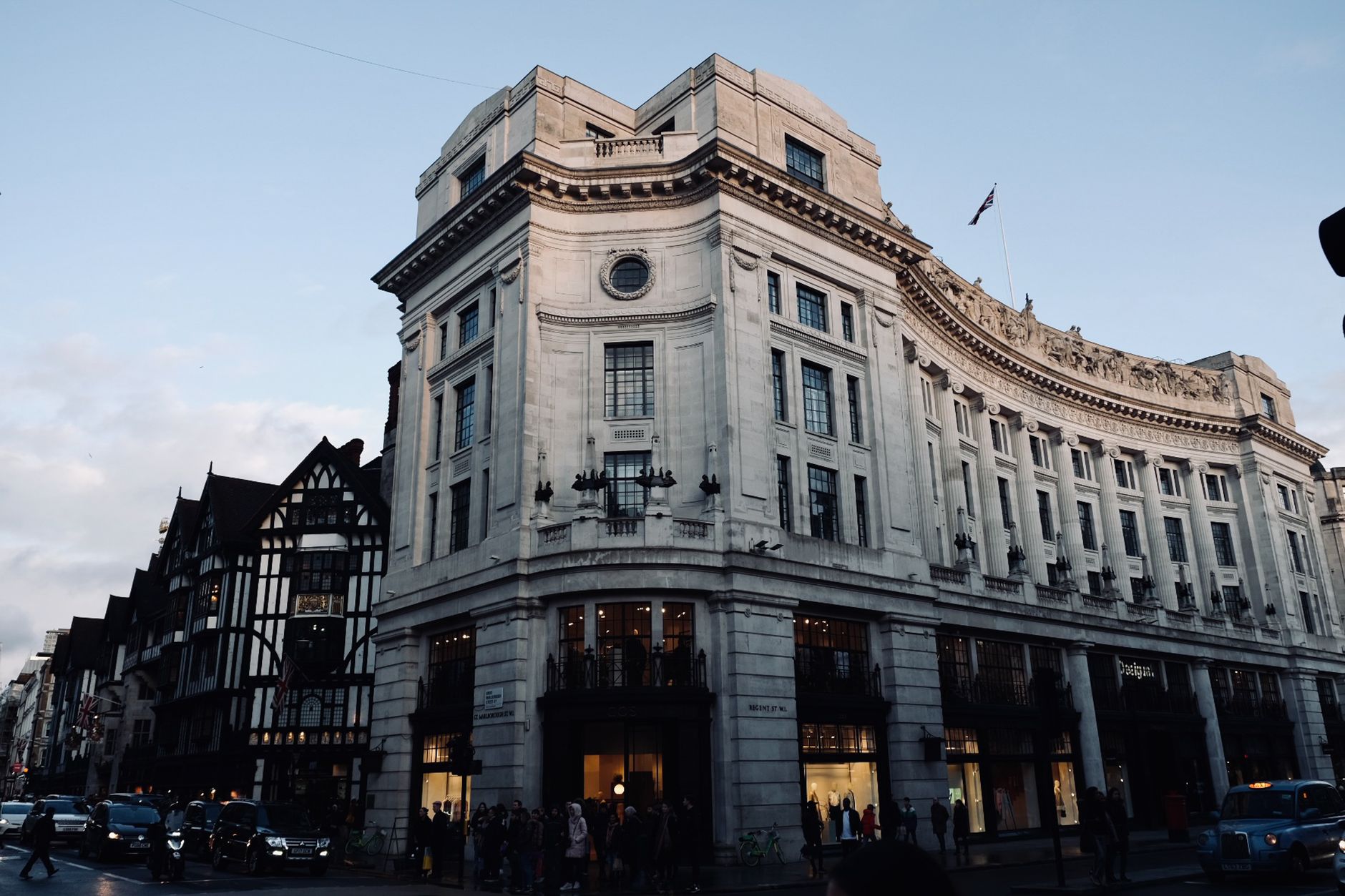
The acquisition of Harvey Nichols by Frasers Group, the owner of Sports Direct, marks a significant turning point for one of Britain’s most iconic luxury department stores. Known to many as the stylish haunt of Edina and Patsy from the cult TV series Absolutely Fabulous, Harvey Nichols has long been synonymous with high-end fashion and luxury retail. However, after years of financial struggles and a recent brush with administration, the 200-year-old retailer now faces a future reshaped under new ownership and strategic direction.
From Cultural Icon to Financial Struggle
Harvey Nichols has enjoyed a storied history, with its flagship store in Knightsbridge acting as a beacon for luxury shoppers since the 19th century. It became a household name not only for its designer brands but also through its portrayal in popular culture, notably in the 1990s sitcom Absolutely Fabulous. The show’s characters, Edina and Patsy, immortalized the store’s glamorous reputation, making it a symbol of British luxury retail.
Yet beneath the glitz, Harvey Nichols has faced mounting challenges. The rise of e-commerce, changing consumer habits, and intensified competition from both luxury boutiques and online platforms have taken a toll. Industry experts have noted that the physical stores, including the flagship in Knightsbridge, appeared “tired” and underinvested in recent years. This lack of reinvestment in store aesthetics and experience has contributed to declining footfall and sales, a common plight for many traditional department stores.
By mid-2023, Harvey Nichols had appointed administrators, signaling severe financial distress. The company warned it might have to cease trading within a year if it failed to secure fresh investment, highlighting the urgency for radical change.
Frasers Group’s Strategic Play in Luxury Retail
Mike Ashley’s Frasers Group, best known for its Sports Direct brand, stepped in to acquire Harvey Nichols, outbidding rivals including Next. This deal is part of a broader strategy by Frasers to deepen its footprint in the luxury retail sector. Over recent years, the group has acquired a portfolio of upscale brands such as Flannels, Gieves & Hawkes, and Agent Provocateur, signaling a clear pivot towards premium consumer segments.
Michael Murray, Frasers’ CEO and Ashley’s son-in-law, described Harvey Nichols as a “British institution with significant potential” but acknowledged that “clear meaningful change is needed.” The group is prepared to make tough decisions, potentially downsizing in the short term to build a stronger, sustainable business long term.
Industry insiders suggest that Harvey Nichols under Frasers will likely undergo a transformation aligning it more closely with the successful Flannels model—a luxury-focused, experience-driven retail concept that resonates with younger, fashion-conscious shoppers. This approach contrasts sharply with Sports Direct’s mass-market, value-driven strategy, indicating Frasers’ nuanced understanding of different market segments.
What the Acquisition Means for Harvey Nichols and Its Customers
Harvey Nichols is home to over 800 premium and luxury brands and employs more than 1,000 people across its stores in London, Manchester, Birmingham, Bristol, Leeds, and Edinburgh. Frasers Group’s acquisition includes both the physical stores and the online business, ensuring continuity for customers and staff alike.
The deal promises a fresh injection of investment, which experts say is crucial to revitalizing the brand’s flagship stores and enhancing the overall customer experience. Retail analysts emphasize that luxury department stores must constantly innovate and maintain high standards of presentation to justify their premium positioning. Without this, they risk losing relevance in a highly competitive market.
While the Oxo Tower restaurant associated with Harvey Nichols is not included in the sale and will be sold separately, the core retail operations will remain intact. This focus on the retail arm will allow Frasers to concentrate resources on the brand’s core strengths.
Challenges Ahead: Restructuring and Reinvention
The path forward is fraught with challenges. The retail landscape continues to evolve rapidly, with luxury consumers increasingly shopping online and expecting seamless omnichannel experiences. Frasers Group will need to balance cost-cutting measures with strategic investments in technology, store refurbishments, and brand partnerships.
Moreover, the group must navigate the delicate task of preserving Harvey Nichols’ heritage and brand identity while injecting new energy and relevance. This balancing act is critical; alienating loyal customers or diluting the brand’s luxury appeal could undermine the turnaround effort.
Experts caution that success will require more than financial backing—it demands visionary leadership, innovative marketing, and a keen understanding of shifting consumer values. The luxury retail sector is not immune to disruption, and Harvey Nichols’ revival will be a test case of how legacy brands can adapt to the 21st century.
Broader Implications for British Retail
The acquisition also reflects wider trends in British retail, where consolidation is becoming increasingly common as companies seek scale and diversification to survive. Frasers Group’s aggressive expansion into luxury retail underscores a strategic bet that premium brands will offer more resilience and growth potential than mass-market outlets.
This move may also signal confidence in the UK luxury market’s recovery post-pandemic, despite ongoing economic uncertainties. If successful, Frasers could position itself as a dominant player in British luxury retail, shaping consumer trends and retail formats for years to come.
For Harvey Nichols, the new chapter under Frasers Group offers a lifeline and a chance to reclaim its status as a premier destination for luxury shoppers. Whether this storied institution can reinvent itself while honoring its heritage remains to be seen, but the stakes have never been higher.
Recommended reading
For more context, see related Peack News coverage and explainers linked below.