
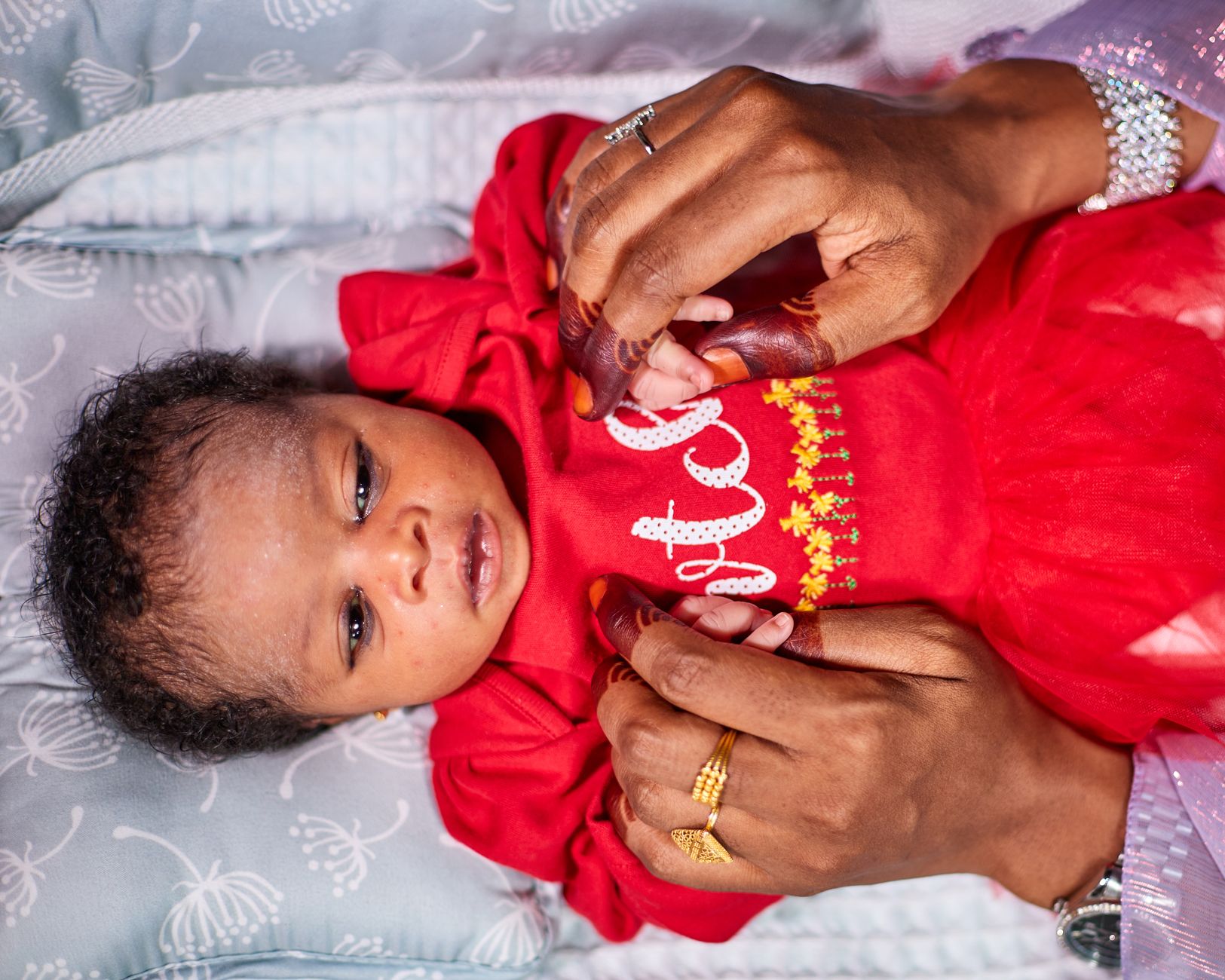
The tragic death of nine-month-old Genevieve Meehan at a nursery in Stockport has ignited a crucial conversation about unsafe sleeping practices in childcare settings across England. Her parents, Katie and John Meehan, warn that the dangers that led to their daughter’s death may be widespread, prompting urgent calls for stricter regulations and oversight. Their campaign has already influenced government policy, but the broader implications for childcare safety and industry accountability remain profound.
Genevieve’s Death Exposes Gaps in Nursery Safety Standards
In May 2022, Genevieve Meehan suffocated after being placed face down and strapped to a beanbag for nearly two hours at a nursery in Cheadle Hulme. The nursery’s deputy manager was subsequently convicted of manslaughter and sentenced to 14 years in prison. This horrific incident revealed not only a catastrophic failure at one nursery but also raised alarms about the prevalence of unsafe sleeping practices elsewhere.
Nurseries are legally required to follow NHS safer sleep guidance, which mandates that babies be laid on their backs in a cot or Moses basket. Yet, Katie Meehan’s campaign uncovered that many nurseries were routinely ignoring these guidelines, resorting to practices such as allowing babies to sleep in pushchairs or outdoors, often citing space constraints or adopting alternative “forest school” methods. These revelations suggest that unsafe sleeping arrangements may be more common than previously acknowledged.
Government Reforms Aim to Tighten Nursery Regulations
In response to the campaign and the public outcry, the Department for Education (DfE) has introduced new rules that take effect from September. These include a ban on putting babies under 12 months to sleep anywhere other than a cot, a move designed to eliminate ambiguous or unsafe sleeping environments. Additionally, Ofsted will triple the number of unannounced nursery inspections—adding 3,000 extra visits annually—to ensure compliance with safer sleep policies. The frequency of inspections will also increase, with nurseries now inspected every four years instead of six.
These reforms are backed by an £8 million government boost to strengthen regulatory oversight. Ofsted’s chief inspector emphasized that safe sleeping will become a mandatory focus of every inspection, with findings published to inform parents. This transparency aims to empower families to make safer childcare choices.
Industry Resistance Highlights Challenges in Implementing Safety Measures
Despite the clear safety rationale, some nursery operators have expressed concerns that the new regulations could force them to reduce the number of infants they care for. Smaller sleeping solutions like dream coracles, which take up less space than traditional cots and have gained popularity in recent years, will be prohibited under the new rules. This has sparked debate over balancing safety with practical constraints faced by nurseries, especially those operating in limited spaces.
John Meehan has also raised the issue of profit motives potentially undermining safety standards. With many nurseries owned or financed by private equity firms, there is apprehension that financial incentives might encourage overcrowding or cost-cutting at the expense of children’s welfare. This tension between commercial interests and safeguarding vulnerable infants is a critical challenge for regulators.
Mandatory CCTV as a Potential Game-Changer in Childcare Safety
One of the most significant proposals emerging from the Meehans’ campaign is the introduction of mandatory CCTV in all nurseries. Video evidence played a pivotal role in securing the conviction of Genevieve’s killer, highlighting how surveillance can act both as a deterrent and a tool for accountability. Former early years minister Olivia Bailey was reportedly persuaded by these arguments, and although she lost her position in a recent government reshuffle, the campaign has found a receptive ear in Andy Burnham, the current prime minister and former mayor of Greater Manchester.
Burnham’s personal engagement with the Meehans and his public support for mandatory CCTV underscore the growing political will to prioritize child safety in early years settings. If implemented nationwide, CCTV could transform how childcare providers are monitored and held responsible, potentially preventing future tragedies.
Wider Implications for Childcare and Public Trust
The deaths of Genevieve Meehan and other young children in nurseries—some involving abuse and neglect—have shaken public confidence in childcare providers. The sector’s recent scandals, including high-profile cases of sexual abuse by nursery workers, have compounded fears and highlighted systemic weaknesses in safeguarding vulnerable children.
Strengthening regulations, increasing inspection rigor, and enhancing transparency are critical steps toward restoring trust. However, these measures must be accompanied by cultural changes within the industry, where child welfare is prioritized over financial gain. The Meehans’ campaign serves as a stark reminder that behind every statistic is a family devastated by preventable loss.
Ultimately, the response to this crisis will test England’s commitment to protecting its youngest citizens. It demands vigilance from regulators, accountability from providers, and continued advocacy from families and charities dedicated to safer childhoods.
Recommended reading
For more context, see related Peack News coverage and explainers linked below.