
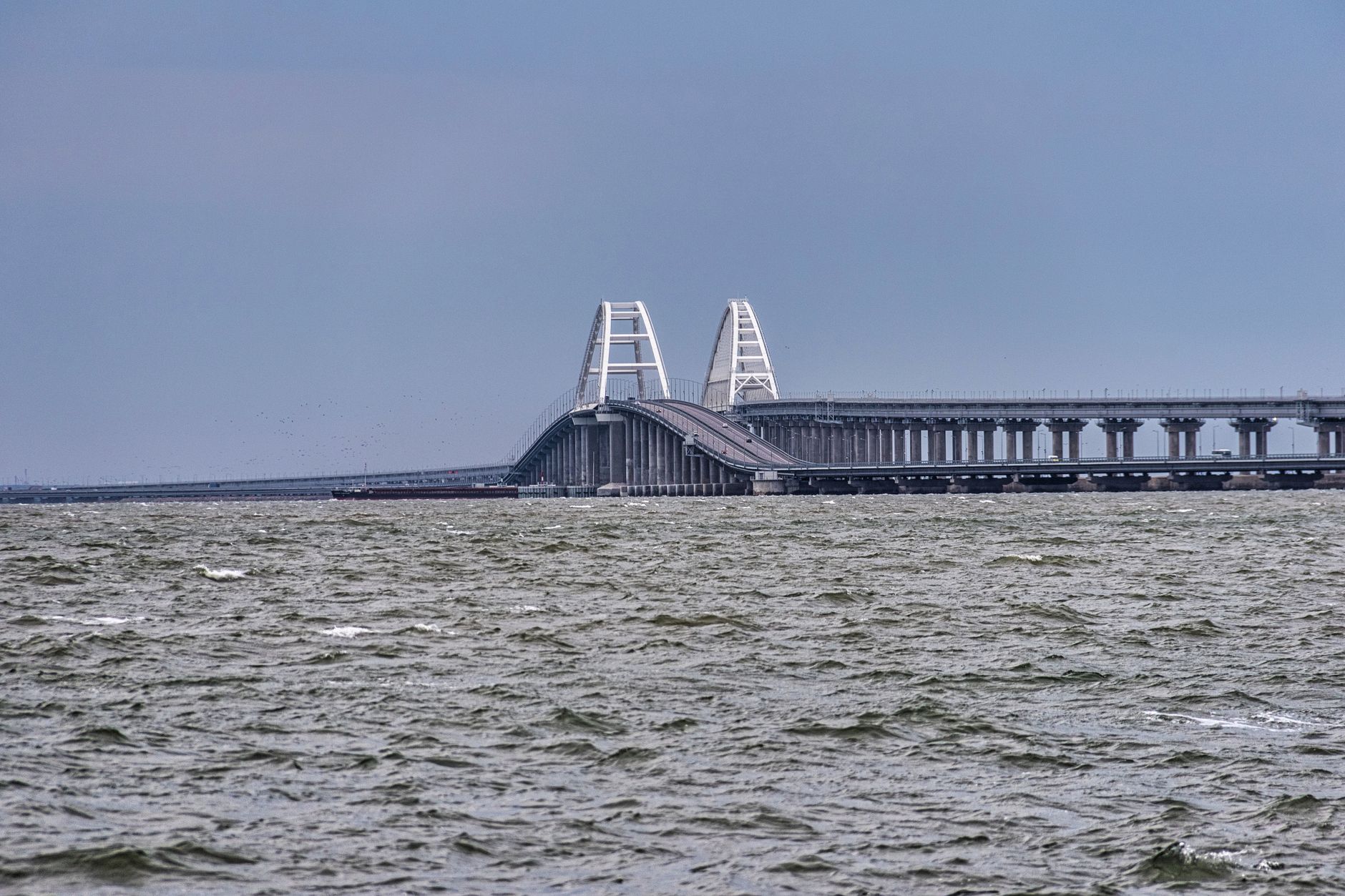
Ukraine’s recent missile and drone strike on the Crimean Bridge marks a pivotal moment in the ongoing conflict with Russia, delivering both a symbolic and strategic setback to Moscow. The attack, meticulously planned over several weeks, has severely damaged the critical infrastructure that links Russia directly to the annexed Crimean Peninsula. This operation not only disrupts Russian military logistics but also challenges President Vladimir Putin’s narrative of control and permanence over Crimea.
The Strategic and Symbolic Weight of the Crimean Bridge
Constructed after Russia’s illegal annexation of Crimea in 2014, the Crimean Bridge is more than just a feat of engineering; it is a powerful emblem of Russian dominance in the region. The $3.6 billion structure, personally inaugurated by Putin in 2018, facilitates the transport of troops, military equipment, and civilian supplies between Russia and Crimea. Its existence underpins Russia’s ability to sustain its occupation and military operations in southern Ukraine.
For Ukraine, the bridge represents an ongoing violation of its sovereignty and a tangible manifestation of Russian aggression. The recent attack, which caused a large section of the bridge to collapse into the Kerch Strait, resonates deeply within Ukrainian society as a significant morale booster amid the protracted conflict. It signals that even heavily fortified Russian assets are vulnerable, challenging Moscow’s claims of unassailable control.
Planning and Execution: A Complex Military Feat
Ukrainian President Volodymyr Zelensky described the strike as the culmination of a seven-stage military operation involving coordinated efforts from the military and security services. Prior to the attack, Ukraine systematically targeted and degraded Russian air defense systems, radars, and electronic warfare capabilities along the route to the bridge. This suppression of enemy defenses was critical to ensuring the success of the missile and drone barrage that followed.
The assault involved a combination of Ukrainian drones and cruise missiles, including the domestically developed Flamingo and Neptune models. This multi-pronged approach overwhelmed Russian defenses, resulting in the destruction of a key arched section of the bridge’s roadway. Although the parallel rail section sustained damage, it remains partially operational, highlighting the layered nature of the infrastructure and the complexity of completely severing Russian supply lines.
The Immediate and Long-Term Impact on Russian Military Operations
The damage inflicted on the Crimean Bridge significantly complicates Russia’s logistics. The bridge has been the primary conduit for moving military personnel, equipment, and essential supplies into Crimea and onward to the front lines in southern Ukraine. With the road section rendered unusable and the rail link compromised, Russia faces increased difficulties in sustaining its forces in occupied territories.
While alternative supply routes exist, such as the land corridor through occupied Zaporizhzhia and Kherson regions and maritime routes via the Black Sea, these are either vulnerable or limited in capacity. The ferry crossing over the Kerch Strait offers some relief but cannot match the volume or efficiency of the bridge. Furthermore, debris from the damaged bridge may obstruct shipping lanes, further hampering maritime logistics and complicating access to strategic ports like Mariupol and Berdyansk.
Political Ramifications Amid Global Diplomatic Pressures
The timing of the attack is particularly significant, coinciding with a major diplomatic moment as Putin prepared to meet with the leaders of China and the United States. By striking such a high-profile target just before this summit, Ukraine sent a clear message that the conflict remains unresolved and that Russian control over Crimea is far from guaranteed.
In Moscow, the Kremlin vowed to rebuild the bridge “better than before,” framing the attack as an act of terrorism and opening a criminal investigation. This rhetoric underscores the Kremlin’s sensitivity to the symbolic damage and its desire to project resilience. However, the strike exposes vulnerabilities in Russia’s defensive posture and raises questions about the security of other critical infrastructure under Russian control.
Broader Implications for the Conflict and Civilian Populations
Alongside the Crimean Bridge attack, Russian forces have intensified missile and drone strikes on Ukrainian cities, including Kyiv, targeting bridges, metro systems, and critical infrastructure. These attacks aim to disrupt civilian life and strain Ukraine’s resilience. However, the Ukrainian response demonstrates a strategic shift toward targeting Russian military logistics and infrastructure, increasing the cost of occupation and challenging the sustainability of Russia’s war effort.
The bridge attack and subsequent strikes also highlight the evolving nature of modern warfare, where precision drone and missile strikes can inflict significant damage on strategic targets previously considered secure. For civilians caught in the crossfire, this escalation means heightened risks but also signals Ukraine’s determination to defend its territory and sovereignty.
Ultimately, the damage to the Crimean Bridge is a tangible blow to Russia’s ambitions in Ukraine and a testament to Ukraine’s growing military capabilities. While the full ramifications will unfold over time, this operation marks a turning point in the conflict, underscoring the fragility of Russian control in occupied territories and the ongoing contest for influence in the region.
Recommended reading
For more context, see related Peack News coverage and explainers linked below.