
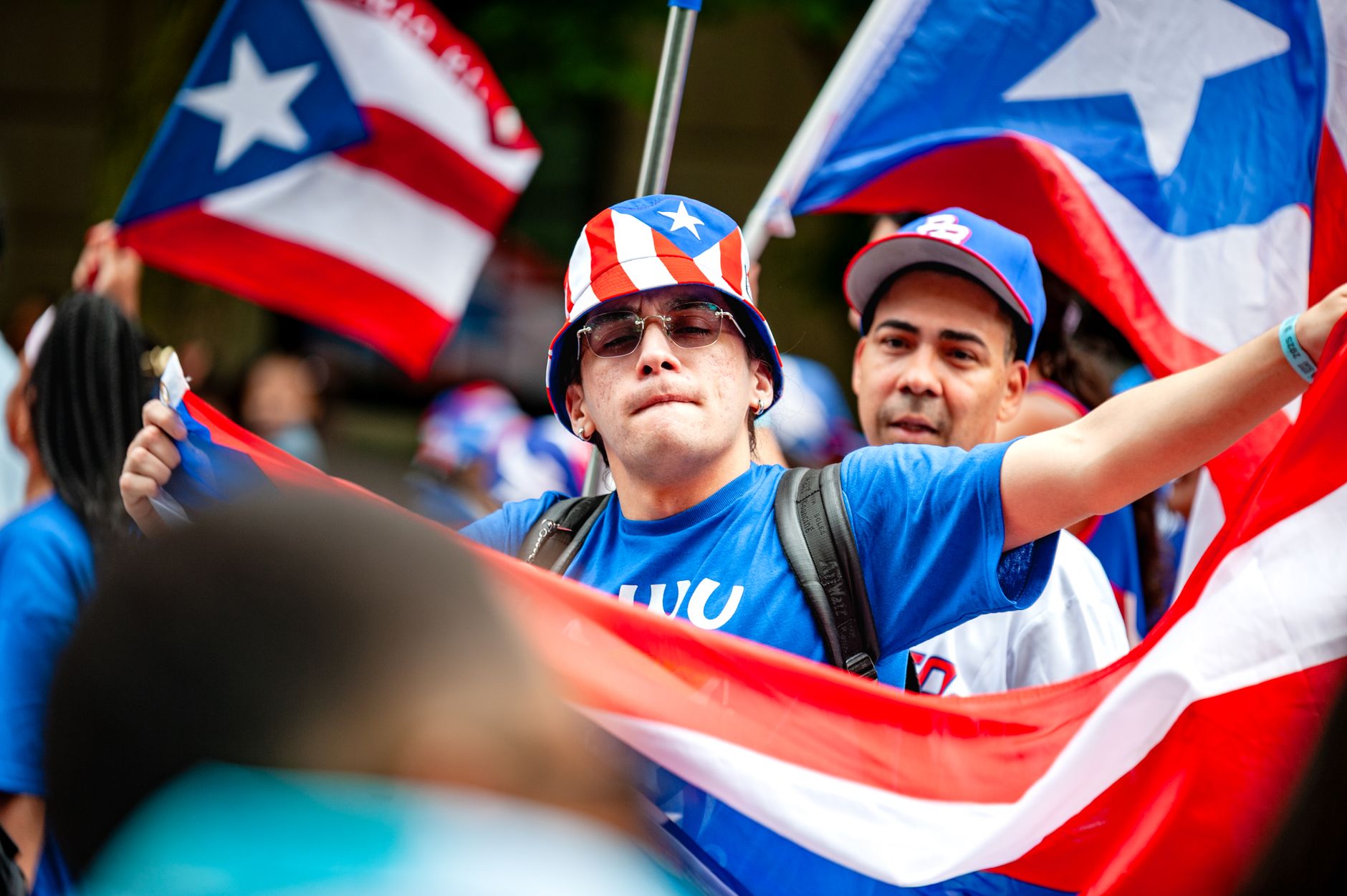
A catchy new tune celebrating Puerto Rico has taken the internet by storm, sparking a wave of pride and reflection among the island’s residents. What began as a playful, AI-assisted song by internet personality Bill Stiteler, aka Saxboy Billy, has morphed into a cultural moment that shines a spotlight on Puerto Rico’s vibrant identity — and the complex realities that come with it.
From Viral Earworm to Cultural Conversation Starter
The song’s simple yet infectious chorus, “First time in San Juan, mi hijo. Capital of Puerto Rico,” has been embraced widely on TikTok, racking up millions of views and inspiring lip-sync videos by celebrities such as Mila Kunis and Charlie Puth. The melody’s upbeat vibe and colorful references to Puerto Rican life invite listeners to imagine the island as a sunny vacation hotspot, complete with clapping passengers on planes and quirky landmarks like slot machines in bus stations.
However, the song’s viral success is about more than just catchy beats. For many Puerto Ricans, it represents a rare moment when their homeland is placed front and center on the global stage in a way that feels celebratory and authentic. Maria Mercedes Grubb, a chef in San Juan, expressed how seeing non-Puerto Ricans enjoy the song feels like a form of recognition: “It feels like we’re on the map.”
AI Creativity Meets Puerto Rican Reality
What sets this viral track apart is its origin story: Stiteler used an AI music platform to transform his lyrics into a full song, blending technology with cultural homage. While some Puerto Ricans initially worried the song might lack genuine connection, others like Grubb see the AI element as innovative rather than disingenuous. “You can tell there was genuine input about things that matter to the island,” she said, highlighting how technology can amplify cultural narratives when used thoughtfully.
Stiteler, a Pittsburgh native with a longstanding admiration for Puerto Rican culture, credits a personal visit to the island as the moment everything “clicked” for him. His respect for the culture is evident, and he has expressed interest in collaborating with Puerto Rican artists to deepen the song’s roots in local experience.
Puerto Rico’s Complex Identity Beyond the Viral Hit
While the song radiates joy and pride, it also opens the door to more nuanced discussions about Puerto Rico’s social and political landscape. Debbie Perez, host of the Boriken podcast, emphasizes that the island’s story is multifaceted, encompassing both celebration and struggle. “We have to be careful that love for Puerto Rico doesn’t become consumption,” she warns, urging audiences to look beyond the surface.
Puerto Rico’s ongoing challenges — like frequent power outages, economic hurdles, and environmental concerns — remain pressing issues for residents. These realities contrast with the song’s carefree tone but are essential to understanding the island’s full narrative. Perez points to artists like megastar Bad Bunny, whose music blends cultural pride with pointed social commentary, as examples of how Puerto Rican voices bring critical issues to the global spotlight.
Bad Bunny’s Impact and the Power of Art to Illuminate Struggles
Bad Bunny’s influence transcends music, becoming a symbol of Puerto Rican resilience and activism. His two-month concert residency in San Juan last summer not only energized the local economy but also drew attention to the island’s ongoing infrastructure challenges. His protest song “El Apagón” highlights the unstable electrical grid, a legacy of Hurricane Maria’s devastation in 2017 that still affects millions.
The visual spectacle of his Super Bowl performance — featuring dancers on utility poles amid flickering power lines — brought the issue of power outages to a massive audience, demonstrating how art can transform social struggles into shared awareness.
For many Puerto Ricans, the viral AI-generated song and Bad Bunny’s socially conscious music coexist as complementary expressions of love for their island: one playful and inviting, the other urgent and reflective.
Looking Ahead: Collaboration and Cultural Exchange
The viral Puerto Rico song exemplifies how digital culture can spark curiosity and pride in unexpected ways. Stiteler’s openness to collaborating with Puerto Rican artists hints at a future where technology and authentic voices might merge to create richer, more layered stories about the island.
As Puerto Rico continues to navigate its identity as a U.S. territory with a unique cultural heritage, moments like this viral sensation offer opportunities to celebrate its beauty while confronting its challenges. For now, the song has given millions a catchy introduction to Puerto Rico — but the hope is that it will also inspire deeper engagement with the island’s history, culture, and ongoing quest for justice and sustainability.