
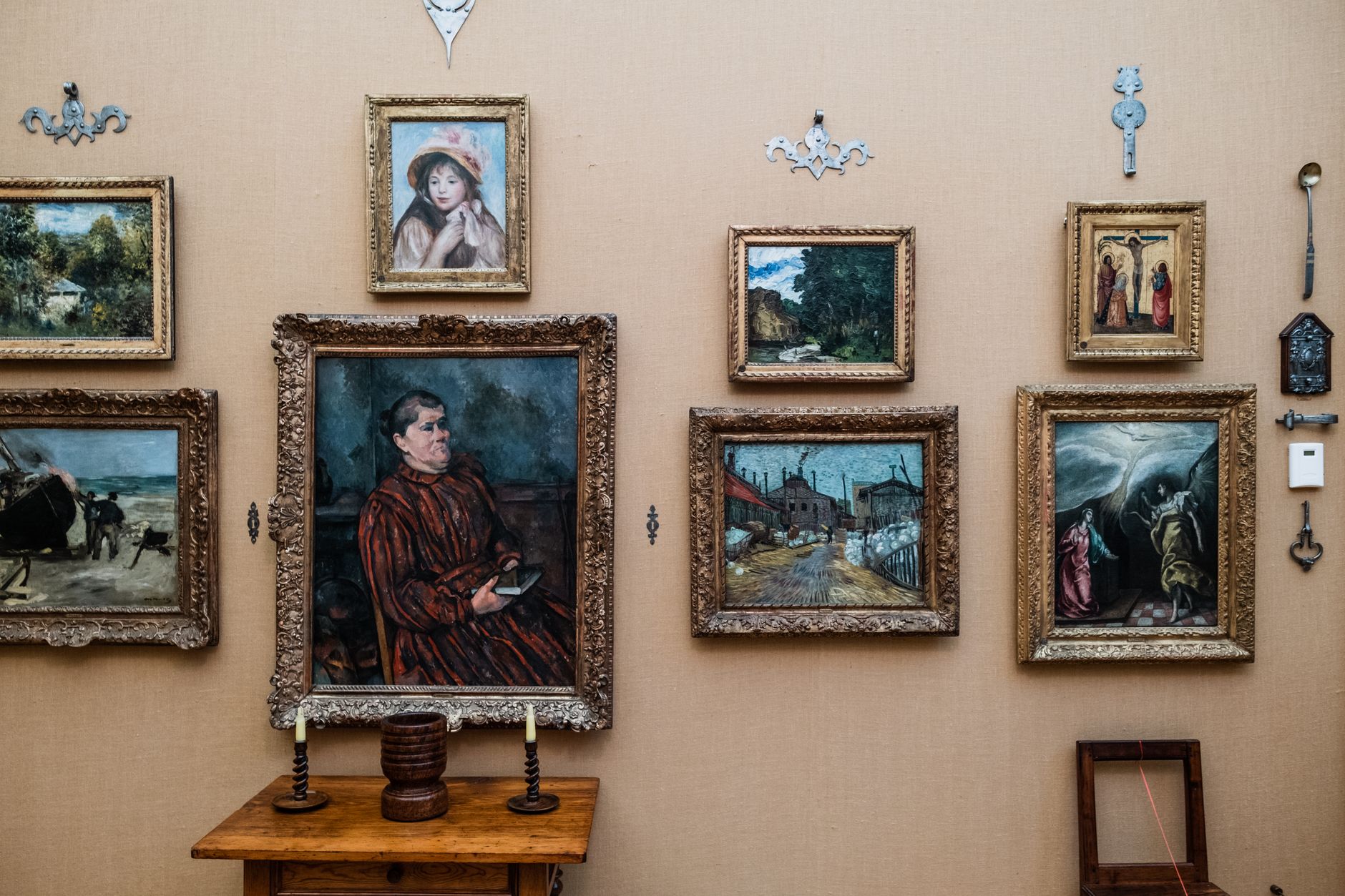
Two priceless paintings by Pierre-Auguste Renoir have been stolen from the Renoir Museum in Cagnes-sur-Mer, marking the latest in a worrying series of art heists across Europe. Valued at around €9 million each, these masterpieces have once again highlighted the vulnerability of cultural institutions to increasingly sophisticated criminal operations. The theft not only deprives the public of access to irreplaceable art but also raises urgent questions about the security measures protecting Europe’s artistic heritage.
Details of the Bold Museum Break-In
In the early hours of a recent Tuesday, two masked thieves executed a carefully planned raid on the Renoir Museum, located in the southern French town of Cagnes-sur-Mer. Surveillance footage revealed the intruders cutting through a fence to access the museum gardens before forcing their way into the exhibition space. The alarm sounded at 05:48 local time, prompting a rapid police response within five minutes, but the criminals had already fled, leaving behind two of the four paintings they attempted to steal.
The thieves were reportedly “well-equipped” and “well-informed,” wearing helmets, gloves, and combat gear, and carrying tools such as an electric knife and hacksaw to bypass security fixtures. Two zip-up bags found onsite may be linked to the suspects, indicating a high level of preparation and intent.
The Stolen and Recovered Masterpieces
The museum, dedicated to Renoir’s legacy and housing 12 of his works, lost two key paintings in the heist: Jeune fille au puits and Portrait of Madame Colonna Romano. Both are valued at approximately €9 million each. The thieves abandoned two other paintings, Coco Lisant and Portrait of Madame Pichon, which were recovered from the museum gardens shortly after the incident.
Mayor Bryan Masson of Cagnes-sur-Mer expressed the cultural blow the theft represents, emphasizing that stealing from the Renoir Museum is tantamount to attacking the town’s history and heritage. The museum is not just a repository of art but a monument to Renoir’s final years, housing personal items such as his wheelchair, easel, and letters, which deepen its significance beyond the paintings themselves.
Rising Tide of Art Thefts Across Europe
This incident is part of a disturbing trend of high-profile art thefts targeting European museums and galleries. Just last month, four Renaissance paintings were stolen from a museum in Sicily, and in October of the previous year, a daring heist at the Louvre in Paris resulted in the theft of France’s priceless crown jewels. These crimes illustrate a growing pattern of organized, highly professional criminal groups focusing on cultural property.
Experts warn that such thefts are not only about quick financial gain but also about exploiting the black market for rare art, which remains notoriously difficult to police. The sophistication of these operations, including the use of specialized tools and tactical gear, suggests a new breed of art criminals who combine traditional theft techniques with modern technology and intelligence.
Security Challenges and Calls for Government Action
The repeated breaches at prominent institutions have sparked intense debate over the adequacy of current security protocols. Many regional museums, including the Renoir Museum, operate with limited budgets that constrain their ability to invest in advanced surveillance and protective measures.
Mayor Masson has urged the French government to increase funding and support for local museums to safeguard their collections against these “increasingly organised and determined criminals.” The call reflects a broader recognition that protecting cultural heritage requires coordinated national strategies, combining investment in technology, training, and international cooperation to track stolen art and dismantle criminal networks.
The Broader Impact on Cultural Heritage and Public Trust
Beyond the immediate loss of valuable artworks, such thefts erode public trust in the ability of cultural institutions to protect their collections. Museums serve not only as custodians of history but also as educational resources and tourist attractions that contribute to local economies. When security is compromised, it threatens the accessibility and integrity of these institutions.
Moreover, the illegal trade in stolen art fuels other forms of crime, including money laundering and organized crime, creating a ripple effect that extends far beyond the art world. Recovering stolen masterpieces often requires international cooperation, and the longer artworks remain missing, the greater the risk they will be lost to private collectors or destroyed.
The Renoir Museum robbery is a stark reminder of the fragility of cultural treasures and the need for a robust, united response to protect the legacy of artists like Renoir. As investigations continue, the art community and authorities face the challenge of balancing public access with security in an era of evolving threats.
Recommended reading
For more context, see related Peack News coverage and explainers linked below.