
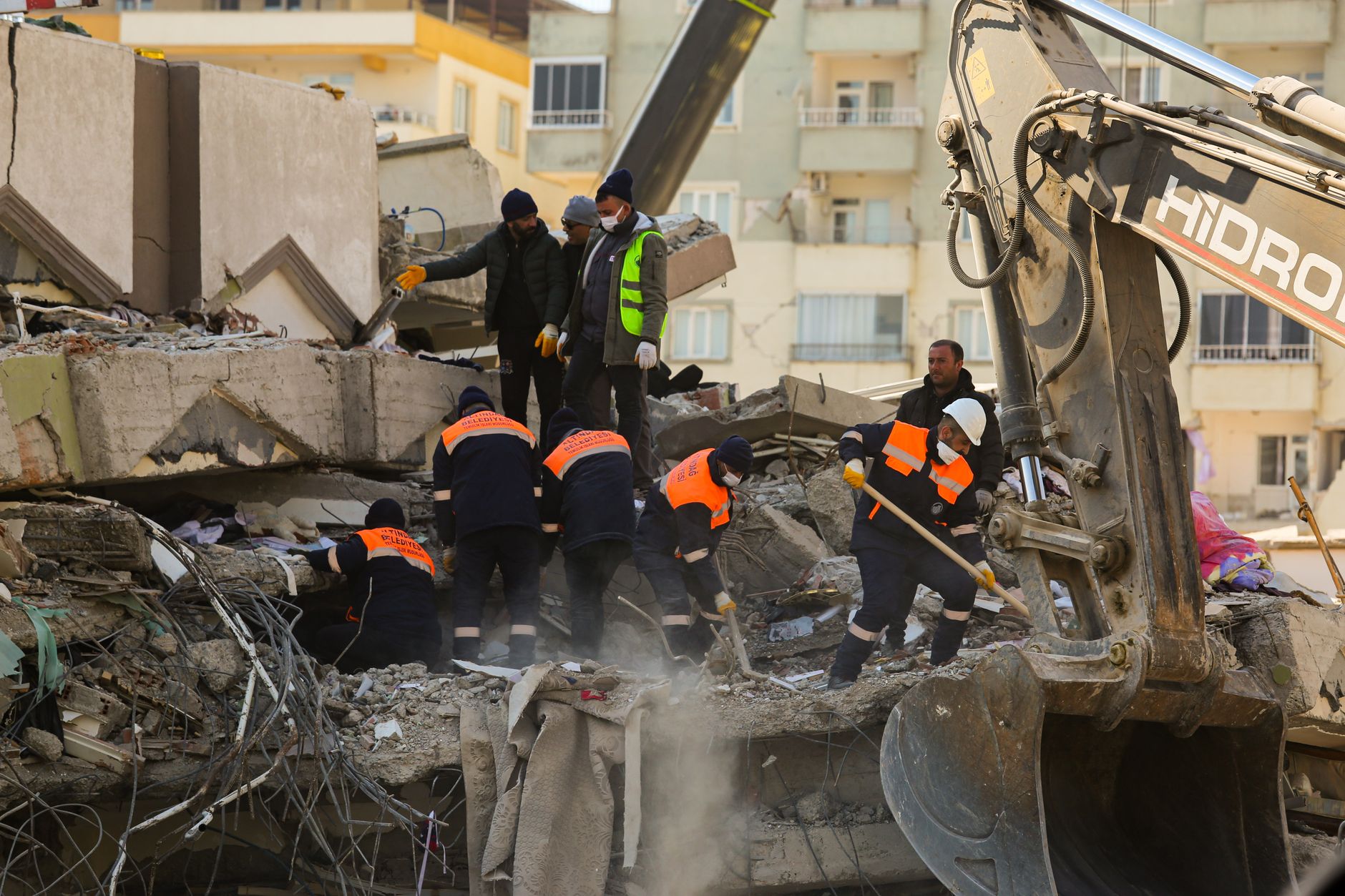
Two powerful earthquakes struck Venezuela near the capital city of Caracas on a national holiday, causing widespread devastation, killing at least 235 people, and injuring nearly 1,500. The quakes, measuring 7.2 and 7.5 in magnitude and occurring seconds apart, were unusually shallow, intensifying the destruction and complicating rescue efforts. As emergency teams race against time to find survivors trapped under collapsed buildings, the disaster exposes Venezuela’s vulnerabilities amid an ongoing economic crisis and political uncertainty.
Shallow Quakes Amplify Devastation in Urban and Coastal Areas
The twin earthquakes struck at depths of just 20.3km and 10km, respectively, near the densely populated urban centers of Caracas and the coastal city of La Guaira. The shallow nature of these tremors means the seismic energy was released closer to the surface, resulting in severe damage to infrastructure and buildings. Video footage verified by local and international media shows entire structures reduced to rubble, including a 10-storey hotel in La Guaira and multiple residential buildings in Caracas.
Authorities have confirmed that more than 250 buildings were either severely damaged or completely destroyed. The Altamira and Los Palos Grandes neighborhoods of Caracas, historically vulnerable to seismic activity, were among the hardest hit. Residents in these areas described harrowing moments of shaking so intense that many feared their buildings would collapse entirely.
Human Toll and Emergency Response amid Political and Economic Challenges
With at least 235 confirmed dead and over 1,500 injured, officials fear the death toll will rise as search and rescue teams continue to comb through debris. The timing of the quakes on a national holiday meant that most people were at home, increasing the likelihood of casualties. Many survivors, traumatized and homeless, are sleeping outdoors due to fears of aftershocks and unstable structures.
Venezuela’s interim President Delcy Rodríguez declared a state of emergency immediately following the disaster, mobilizing national and international aid. The United States pledged $150 million in humanitarian assistance and deployed military transport ships and aircraft to support relief operations. Other countries, including the Dominican Republic, El Salvador, Mexico, and Qatar, have also offered aid.
Despite this international support, Venezuela’s ongoing economic crisis and infrastructure decay pose significant obstacles. Power outages and internet disruptions have hampered communication and coordination efforts, while the country’s strained healthcare system faces an influx of injured victims. Journalists and residents alike report confusion and frustration as emergency services struggle to reach all affected areas promptly.
Geological Context and Historical Significance of the Quakes
Venezuela lies at the convergence of two tectonic plates, making it prone to seismic activity. These earthquakes were likely triggered by a sudden release of friction along the fault lines beneath the Caribbean region. The 7.5-magnitude quake is the strongest recorded in Venezuela since 1900, underscoring the rarity and severity of this event.
Historically, Caracas has experienced devastating earthquakes, including a major tremor in 1967 that killed around 200 people. However, the current disaster surpasses previous events in terms of magnitude and immediate impact. Experts warn that the extensive damage and high casualty estimates are consistent with the shallow depth and timing of the quakes, factors that greatly influence the severity of earthquake disasters.
Political Implications Amid Venezuela’s Ongoing Crisis
The earthquakes strike at a critical moment for Venezuela, which is grappling with political instability and strained relations with the United States. The tragedy tests the fragile cooperation between the US and Venezuela’s interim government, which has received increased support from Washington following efforts to oust longtime President Nicolás Maduro.
US officials have expressed readiness to assist with humanitarian aid and rescue operations, signaling a rare moment of collaboration despite broader geopolitical tensions. This disaster may reshape international engagement with Venezuela, emphasizing the need for coordinated humanitarian responses over political disputes.
Meanwhile, Venezuelan citizens face the daunting task of rebuilding their lives amid uncertainty. The destruction of homes, businesses, and critical infrastructure will have long-term economic and social repercussions, exacerbating the hardships faced by millions already affected by years of economic decline and political turmoil.
The Road Ahead: Recovery and Resilience
As aftershocks continue to ripple through the region, Venezuelan authorities and international partners are focused on immediate rescue efforts and providing relief to displaced populations. The scale of the disaster demands a sustained and coordinated response to address urgent needs such as medical care, shelter, and food security.
In the longer term, this catastrophe highlights the urgent need for improved building standards, disaster preparedness, and infrastructure resilience in Venezuela. Strengthening these areas is vital to mitigate the impact of future seismic events and protect vulnerable communities.
For now, the nation mourns its losses and rallies to aid survivors, confronting the challenge of recovery amid one of the most severe natural disasters in its recent history.
Recommended reading
For more context, see related Peack News coverage and explainers linked below.