
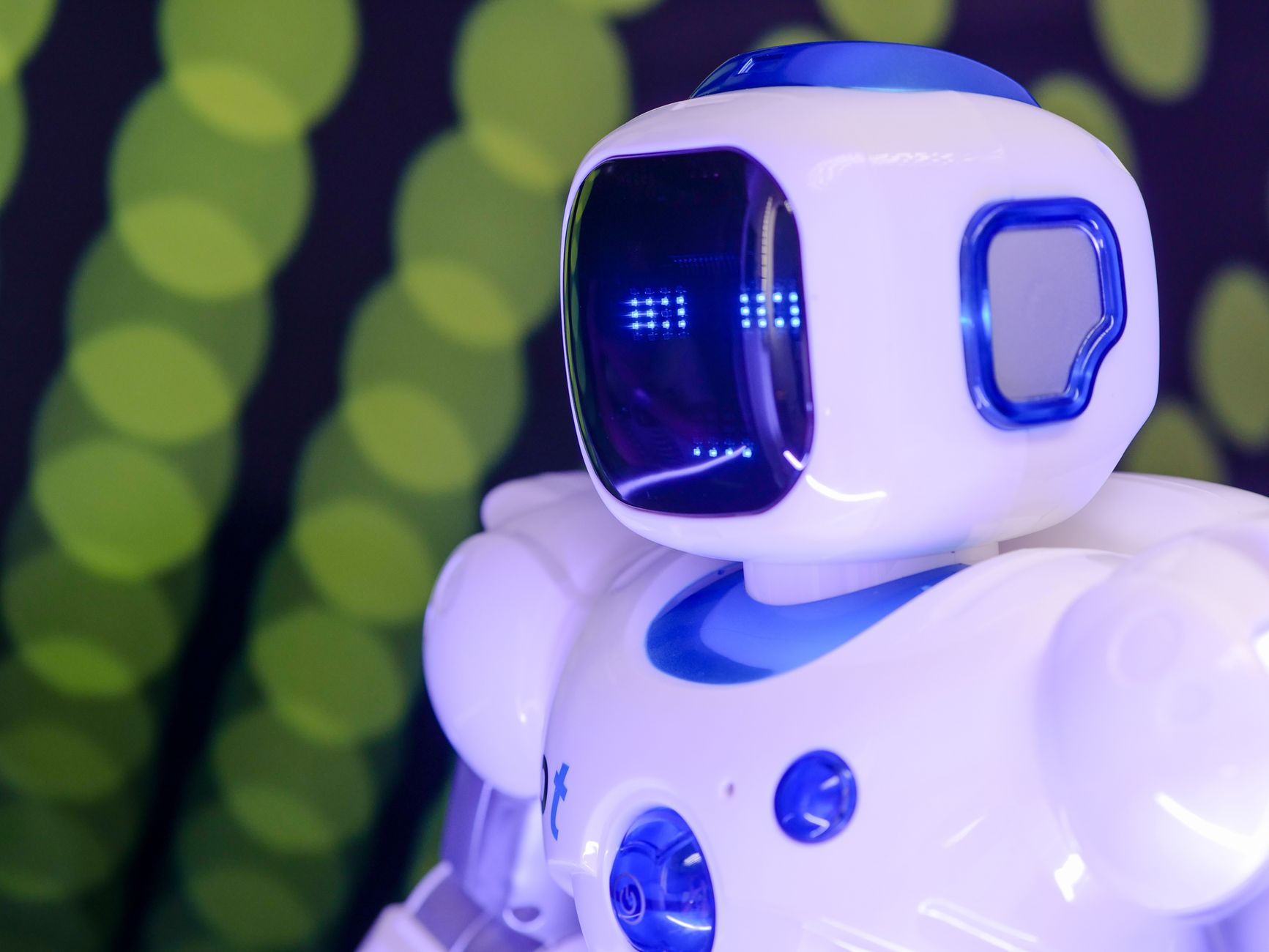
As robotics technology advances at a breakneck pace, a new business model is emerging: renting robots instead of buying them outright. This shift is not only making high-tech machines more accessible but also allowing users to keep pace with rapid improvements in hardware and software. From hospitals to farms and even social events, rented robots are finding diverse roles, raising intriguing questions about the future of work, service, and human-robot interaction.
Moxi the Hospital Robot: A New Member of the Medical Team
In hospitals across the United States, a friendly, one-armed robot named Moxi has become a familiar sight. Standing about four feet tall, Moxi helps nurses and staff by delivering medical supplies and performing routine logistical tasks. Its approachable design, complete with heart-shaped LED eyes, has encouraged warm interactions—nurses greet it with high fives and even hugs, signaling a growing acceptance of robots as part of the healthcare team.
What makes Moxi’s deployment particularly interesting is the business model behind it. Rather than hospitals purchasing these robots outright, many opt for a subscription or rental arrangement, often referred to as robotics-as-a-service. This approach bundles the robot, maintenance, software updates, and technical support into a single package. For hospitals, this means reduced upfront costs and the ability to benefit from continuous improvements without the burden of obsolescence.
Why Renting Robots Makes Sense in a Rapidly Evolving Market
The robotics industry is characterized by swift innovation cycles. New models with enhanced capabilities and improved hardware are released frequently, making outright ownership a risky investment. Renting allows organizations and individuals to access the latest technology without being stuck with outdated machines.
Moreover, robotics-as-a-service mitigates the need for technical expertise. Many users don’t have the resources to manage complex robotic systems, so having the manufacturer or rental provider handle maintenance and troubleshooting is a significant advantage. Remote human operators can even intervene if a robot encounters unexpected challenges, ensuring smooth operation in dynamic environments.
Humanoid Robots: From Entertainment to Household Helpers
While industrial and logistics robots like Moxi are already proving their worth, humanoid robots remain a work in progress but are increasingly available for rent. These robots, designed to resemble and behave like humans, are often rented for clearly defined tasks such as entertainment at weddings and corporate events. For example, humanoid robots can perform choreographed dance routines by learning from videos of human dancers, though a human engineer typically supervises to handle any hiccups.
Looking ahead, companies like California-based 1X are preparing to launch humanoid home assistants like NEO. Available for either outright purchase or a subscription of around $499 per month, NEO aims to perform household chores, offering a glimpse into a future where domestic robots are commonplace. Renting such a robot lowers the financial barrier and allows users to upgrade as the technology matures.
Industrial Robots on Subscription: Democratizing Automation
Beyond healthcare and entertainment, rental robots are making inroads into manufacturing and agriculture. Chicago-based Formic operates a fleet of over 250 industrial robots available on a subscription basis. This model levels the playing field for smaller companies that historically could not afford expensive factory robots. The subscription covers everything from maintenance to hardware replacement, making automation more accessible and less risky.
Interestingly, some rental agreements are evolving to link fees to the amount of human labor saved, aligning costs with productivity gains. This pay-for-performance approach could accelerate adoption by ensuring businesses pay in proportion to the robot’s value.
Global Reach and the Future of Robot Rentals
China, a leader in humanoid robotics, has embraced robot rentals in various sectors, from hotels to cleaning services. Companies like Shanghai’s Agibot offer humanoid robots for rent in 17 countries, including the UK. However, in China, government incentives and subsidies encourage outright purchases, especially by state-owned enterprises, highlighting regional differences in adoption strategies.
Despite these variations, the rental model appears poised for growth worldwide. It offers a practical solution to the high cost and rapid obsolescence of robotics technology, while also providing manufacturers with valuable real-world data to refine their products.
Implications for the Workforce and Society
The expansion of robot rentals raises important questions about the future of work and human-robot collaboration. As robots take on more routine and labor-intensive tasks, human workers can focus on higher-value activities. However, the ease of renting robots might accelerate automation in sectors previously resistant to it, potentially reshaping labor markets.
Moreover, the social acceptance of robots, exemplified by Moxi’s warm hospital reception, suggests that well-designed robots can integrate smoothly into human environments. Rental models that include ongoing support and upgrades may help ensure robots remain reliable and safe partners.
As robotics technology continues to evolve, renting robots could become as commonplace as leasing cars or subscribing to software. This shift promises to make robotics more flexible, affordable, and integrated into everyday life, heralding a new era where human and machine collaboration is routine and accessible to many.
Recommended reading
For more context, see related Peack News coverage and explainers linked below.