
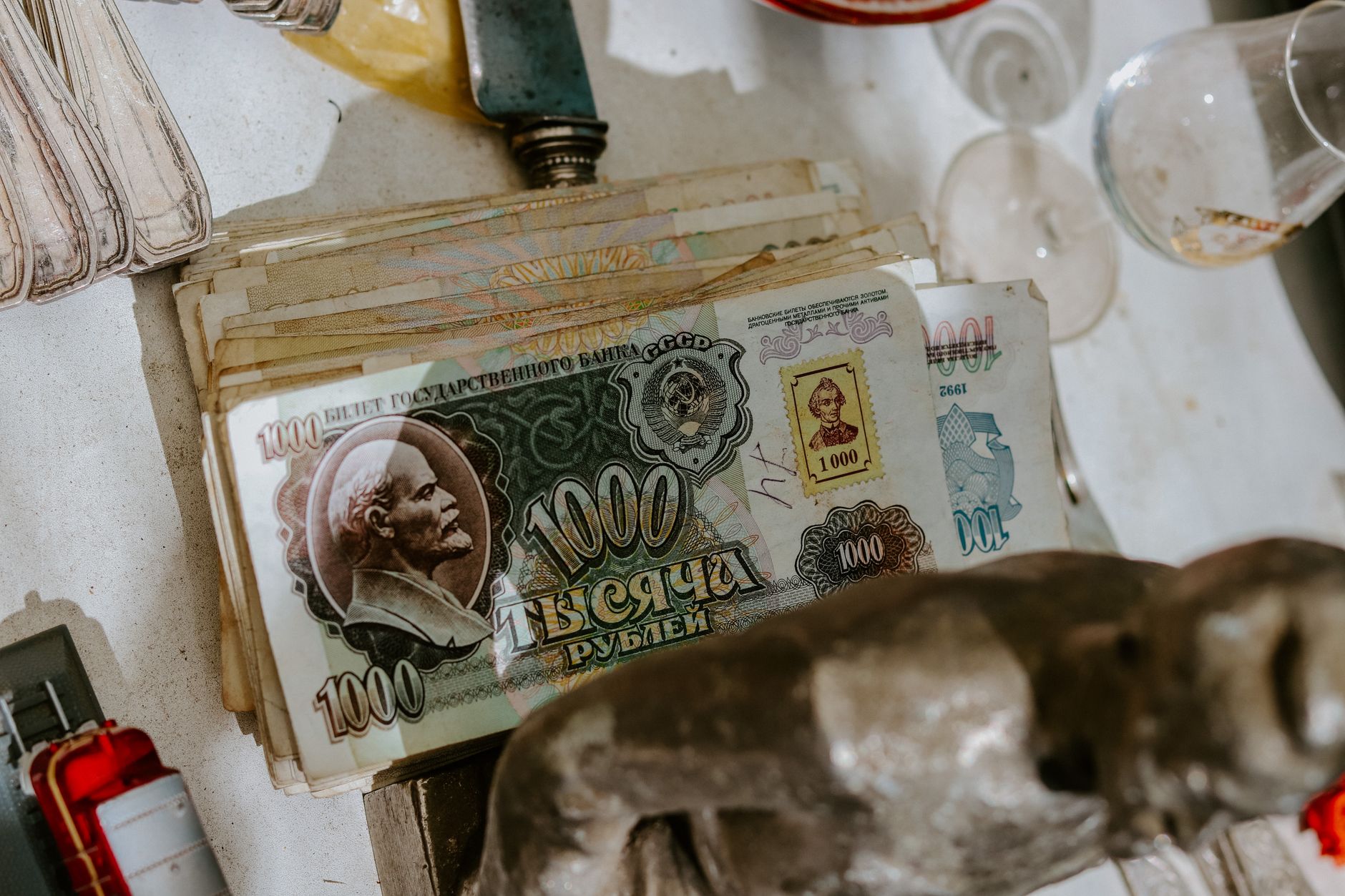
As Russia endures the protracted conflict in Ukraine, its economy is showing signs of mounting strain, with a notable resurgence in cash usage across the country. This shift is not merely a nostalgic return to old habits but a direct response to a complex web of wartime disruptions, government policies, and growing financial uncertainty among citizens and businesses alike.
Mobile Internet Blackouts Fuel Cash Dependency
One of the most immediate catalysts for the increased reliance on cash has been the frequent shutdowns of mobile internet services across Russia. These blackouts, implemented by the Kremlin as a defensive measure against Ukrainian drone strikes, have inadvertently crippled digital payment systems. With card transactions often rendered impossible during these outages, Russians are turning to cash as a reliable fallback.
For many, having physical money on hand offers a critical sense of security. In a city like Moscow, where sudden connectivity losses can leave electronic payment terminals offline, cash becomes the only guaranteed method to purchase essentials. This practical necessity has driven a surge in cash withdrawals and circulation, with the Central Bank reporting an unprecedented injection of 1.56 trillion roubles into the economy since the beginning of the year—an increase not seen outside of pandemic-related disruptions.
Economic Slowdown and Tax Evasion Go Hand in Hand
Beyond the immediate effects of mobile internet shutdowns, Russia’s broader economic picture is deteriorating. The Ministry of Economic Development recently downgraded GDP growth forecasts to a mere 0.4% for 2026, signaling the slowest expansion since the war began. This sluggishness is compounded by rising inflation and increased taxation, including a hike in VAT from 20% to 22% and a lowered threshold for small and medium enterprises to pay VAT.
These fiscal pressures have pushed many businesses into the shadows. Pharmacies, restaurants, and small retailers are increasingly encouraging cash payments to avoid tax liabilities. This under-the-table economy, often referred to as the “grey” or shadow economy, allows firms to underreport income and pay wages off the books, thereby reducing tax burdens and payroll expenses.
Industry insiders warn that this shift is eroding the state’s revenue base at a critical juncture. Sberbank’s CFO has highlighted worrying trends of wage payments being made “in envelopes,” signaling a retreat from formal financial channels. A recent survey by Opora Russia, the largest SME association, found that about 6% of entrepreneurs have resorted to such grey schemes to survive the tightening tax regime.
Contradictions in Kremlin Policy Undermine Fiscal Stability
The Russian government faces a paradoxical challenge. On one hand, it is aggressively raising taxes and cracking down on illegal employment to shore up war finances. On the other, its security-driven internet shutdowns undermine the very mechanisms—digital payments and electronic tax reporting—that facilitate efficient revenue collection.
This policy contradiction creates a feedback loop that weakens fiscal discipline. The crackdown on mobile internet during security operations disrupts the digital economy, pushing more transactions into cash and out of the government’s reach. Analysts suggest this dynamic hampers the Kremlin’s ability to fund its military ambitions effectively, even as it tightens the noose on the private sector.
War-Fueled Inflation and Public Distrust Drive Cash Hoarding
Inflation remains a stubborn problem in Russia, fueled in part by the ongoing conflict and international sanctions. Although the Central Bank has maintained high interest rates on deposits—offering around 10% annual returns to encourage savings—many Russians prefer to keep cash at hand. This behavior echoes Soviet-era instincts to “keep money under the mattress,” reflecting deep-rooted distrust in financial institutions and the stability of the banking system during turbulent times.
Recent data show that in May alone, Russians withdrew 550 billion roubles from bank accounts, including a significant portion from fixed-term deposits. Anecdotal accounts reveal that vendors openly offer discounts for cash payments, openly acknowledging the tax advantages of such transactions. Meanwhile, consumers face difficulties accessing cash, with reports of ATM shortages during periods of heightened security and internet blackouts.
Implications for Russia’s Wartime Economy and Beyond
The resurgence of cash usage in Russia is more than a mere transactional shift; it is a barometer of the country’s economic health and social stability amid war. The interplay between security concerns, fiscal policy, and public behavior paints a picture of an economy under siege not only from external conflict but also internal contradictions.
As the Kremlin seeks to balance the demands of war financing with the realities of a slowing economy and a wary populace, the growing shadow economy and reliance on cash pose significant challenges. Without addressing these underlying tensions, Russia risks further erosion of its fiscal base, complicating its ability to sustain military operations and economic stability in the long term.
Recommended reading
For more context, see related Peack News coverage and explainers linked below.