
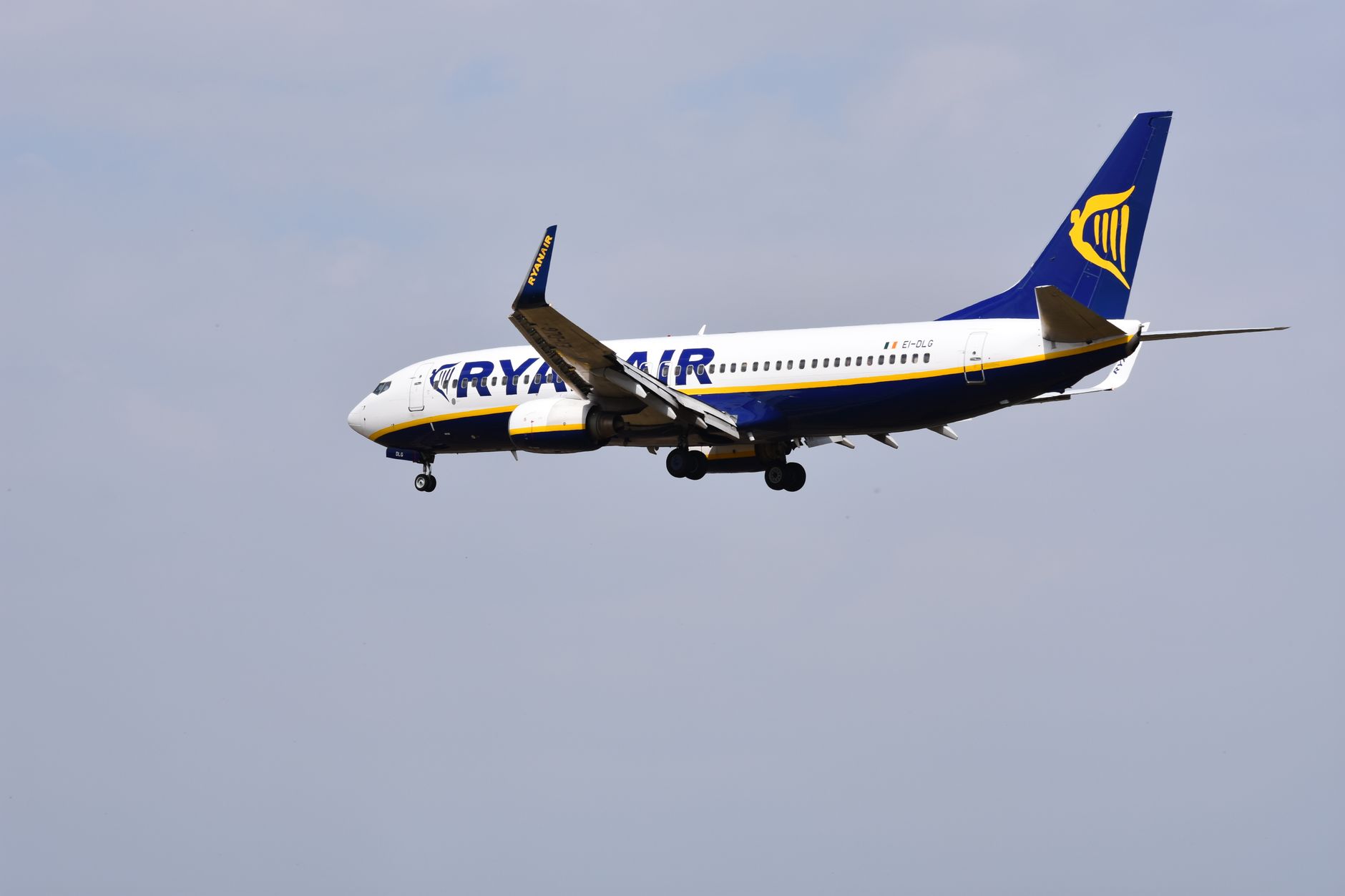
Ryanair CEO Michael O’Leary has once again sparked controversy after defending his use of the term “high-fare rapists” to describe rival European airlines. Despite widespread criticism from victims’ groups and political figures, O’Leary has refused to apologize, insisting his comments were aimed solely at airline pricing strategies and not intended to diminish the seriousness of sexual violence. This episode highlights the ongoing tension between O’Leary’s provocative leadership style and the broader societal expectations of corporate responsibility and sensitivity.
O’Leary’s Language Stokes Outrage Amid Price War Rhetoric
Michael O’Leary, known for his blunt and often inflammatory remarks, made the contentious statement while addressing the media ahead of Ryanair’s annual shareholder meeting. He described competitors such as British Airways and Lufthansa as “high-fare rapists,” framing the airline industry as exploitative and charging exorbitant prices that many travelers cannot afford. O’Leary doubled down on his choice of words when challenged, emphasizing that his critique was focused on pricing, not the crime of rape itself.
This rhetoric, while consistent with O’Leary’s combative style, was met with immediate backlash. The Dublin Rape Crisis Centre (DRCC) condemned the language as deeply offensive and harmful, particularly to survivors of sexual violence. The DRCC’s chief executive, Rachel Morrogh, expressed concern over the distress caused to victims who contacted the organization following O’Leary’s remarks. She urged him to apologize and offered training on the impact of sexual violence, an offer O’Leary declined.
Political Leaders Weigh In on the Controversy
The fallout extended beyond advocacy groups, drawing criticism from political figures in Ireland and the UK. Ireland’s deputy premier, Simon Harris, described O’Leary’s language as “clearly an inappropriate use of language” and suggested that an apology was warranted. Meanwhile, UK Transport Secretary Heidi Alexander remarked that victims of rape would be unlikely to support an airline led by someone who used such terminology so flippantly.
These responses underscore the broader societal expectation that public figures, especially those heading major corporations, exercise care in their speech. The backlash also reflects growing sensitivity to language that can trivialize or inadvertently normalize serious crimes, even when used metaphorically or in a business context.
O’Leary’s Defiant Stance and Its Business Implications
O’Leary’s refusal to apologize is consistent with his long-standing approach to public relations. Over the years, he has cultivated a persona that thrives on controversy and bluntness, often using provocative language to dominate media narratives and keep Ryanair in the spotlight. This approach has helped Ryanair maintain its image as a no-frills, low-cost alternative in a highly competitive market.
However, the risk of alienating customers and advocacy groups remains significant. While Ryanair appeals to budget-conscious travelers, the CEO’s remarks could deter potential passengers sensitive to issues of social justice and corporate ethics. Furthermore, in an era where corporate social responsibility increasingly influences consumer choices, O’Leary’s defiance may complicate Ryanair’s efforts to broaden its customer base or improve its public image.
Historical Context: O’Leary’s Pattern of Provocation
This is not the first time O’Leary has sparked controversy with his choice of words. In 2004, he referred to the owners of Stansted Airport as “a bunch of overcharging rapists” in a dispute over airport fees. He has also insulted his own staff and dismissed customer complaints with harsh language. These incidents have contributed to a reputation for being outspoken and unfiltered, traits that have both helped and hindered Ryanair’s brand.
O’Leary’s leadership style raises questions about the balance between bold marketing tactics and responsible communication. While his aggressive stance has driven Ryanair’s growth, it also risks crossing lines that many consider unacceptable in professional discourse.
The Broader Debate on Language and Corporate Responsibility
The controversy surrounding O’Leary’s comments touches on a larger conversation about the power of language in corporate settings. Words carry weight, especially when spoken by influential leaders. The use of terms associated with violent crimes as metaphors in business disputes can inadvertently diminish the experiences of survivors and contribute to a culture of insensitivity.
Companies today face increasing pressure to align their messaging with values of respect and inclusivity. O’Leary’s stance challenges this trend, illustrating the tension between unfiltered free speech and the evolving standards of corporate responsibility. How Ryanair navigates this balance going forward may influence not only its public perception but also broader industry norms regarding leadership communication.
Ultimately, the episode serves as a reminder that in the digital age, where statements can quickly become global news, the words of CEOs resonate far beyond quarterly earnings reports. For Ryanair and Michael O’Leary, the challenge lies in maintaining a competitive edge without alienating the very customers they seek to serve.
Recommended reading
For more context, see related Peack News coverage and explainers linked below.