
In a quiet home in west London, a couple in their seventies is pioneering a new approach to dementia care that could redefine how millions live with the condition. Jyoti and Bharat Patel, former professional magicians, are part of an ambitious NHS trial using smart technology—ranging from sensor-laden socks to a mattress that tracks vital signs—to help those with dementia maintain independence while providing families and healthcare professionals with critical, real-time data.
From the Stage to Smart Sensors: A New Chapter in Dementia Care
Jyoti Patel’s diagnosis of Alzheimer’s disease in 2021 marked a turning point for the couple, who had spent decades performing together worldwide. Bharat recalls noticing subtle changes in Jyoti’s behavior years earlier, such as uncharacteristic mistakes during their magic shows, which eventually led them to seek medical advice. Now, their home is equipped with a network of discreet sensors designed to monitor Jyoti’s wellbeing without intruding on her privacy.
The technology trial, led by the UK Dementia Research Institute (UK DRI) in collaboration with Imperial College London, is part of a growing movement to integrate digital health tools into dementia care. More than 250 families across the UK are participating, contributing to a dataset that could transform how healthcare providers detect early signs of health deterioration and intervene before crises occur.
How Smart Technology Tracks Daily Life and Health Signals
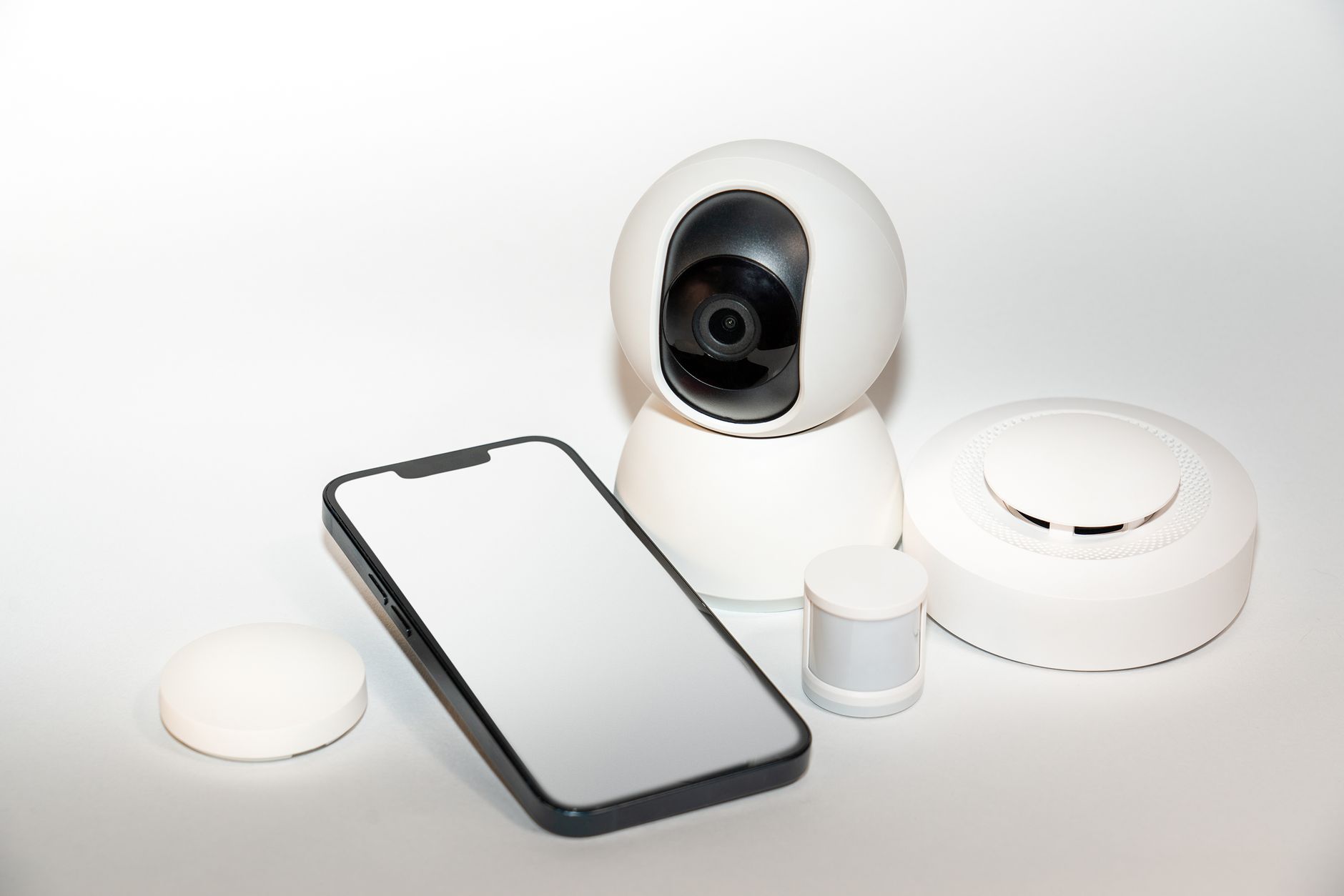
Inside the Patel household, sensors are embedded throughout the environment: door sensors alert if Jyoti leaves the home unexpectedly, motion detectors monitor movement patterns to identify falls, and kitchen appliances track whether meals are being prepared and eaten. A smart mattress under their bed continuously records heart rate and breathing, providing early warnings of infections or sleep disturbances.
Additionally, Jyoti wears sensor-equipped socks and a watch that monitor changes in gait and body temperature—key indicators of physical frailty and general health. This multi-layered approach enables healthcare professionals to receive a comprehensive picture of Jyoti’s condition remotely, allowing for timely adjustments in her care plan.
Balancing Privacy Concerns With the Promise of Independence
While the idea of constant monitoring may raise privacy concerns, the devices in use deliberately avoid capturing audio or video, focusing solely on movement and physiological data. This approach aims to respect the dignity of individuals with dementia while still providing actionable insights to clinicians and caregivers.
Sarah Daniels, health and social care lead at UK DRI, emphasizes that the goal is to empower patients and their families by offering earlier warnings of potential health issues. “Earlier intervention can prevent hospital admissions and delay the need for residential care,” she explains. For many families, this technology offers a critical safety net that can alleviate the anxiety of caring for a loved one with dementia.
Weighing Costs Against Long-Term Benefits
The annual cost of the current technology package is estimated at around £2,000, primarily covering the monitoring infrastructure and professional analysis of the data. While this figure may seem significant, it compares favorably with the cost of a few weeks in a care home. As the UK faces a projected 40% increase in dementia cases by 2040, scalable solutions that support home-based care could ease pressure on the healthcare system and improve quality of life for patients.
Dr. Jeremy Isaacs, NHS England’s national clinical director for dementia and older people’s mental health, acknowledges the potential of such innovations. He notes that this trial builds on existing NHS initiatives aimed at helping people remain independent and that the health service is closely monitoring outcomes to inform future policy.
Real-World Impact: Peace of Mind for Families
For Bharat, the technology is more than just data collection; it is a source of reassurance. “Even if it can cut down my worries by 5 or 10%, then it helps me and it will help other people too,” he says. This sentiment captures the broader promise of smart dementia care: not only to extend independence for those living with the condition but also to provide emotional relief to their loved ones.
As dementia continues to challenge healthcare systems worldwide, the integration of smart technologies like those tested by the Patels offers a glimpse into a future where personalized, proactive care can transform lives. The success of this trial could pave the way for widespread adoption, ensuring that dignity, safety, and peace of mind become central pillars of dementia care.
Recommended reading
For more context, see related Peack News coverage and explainers linked below.