
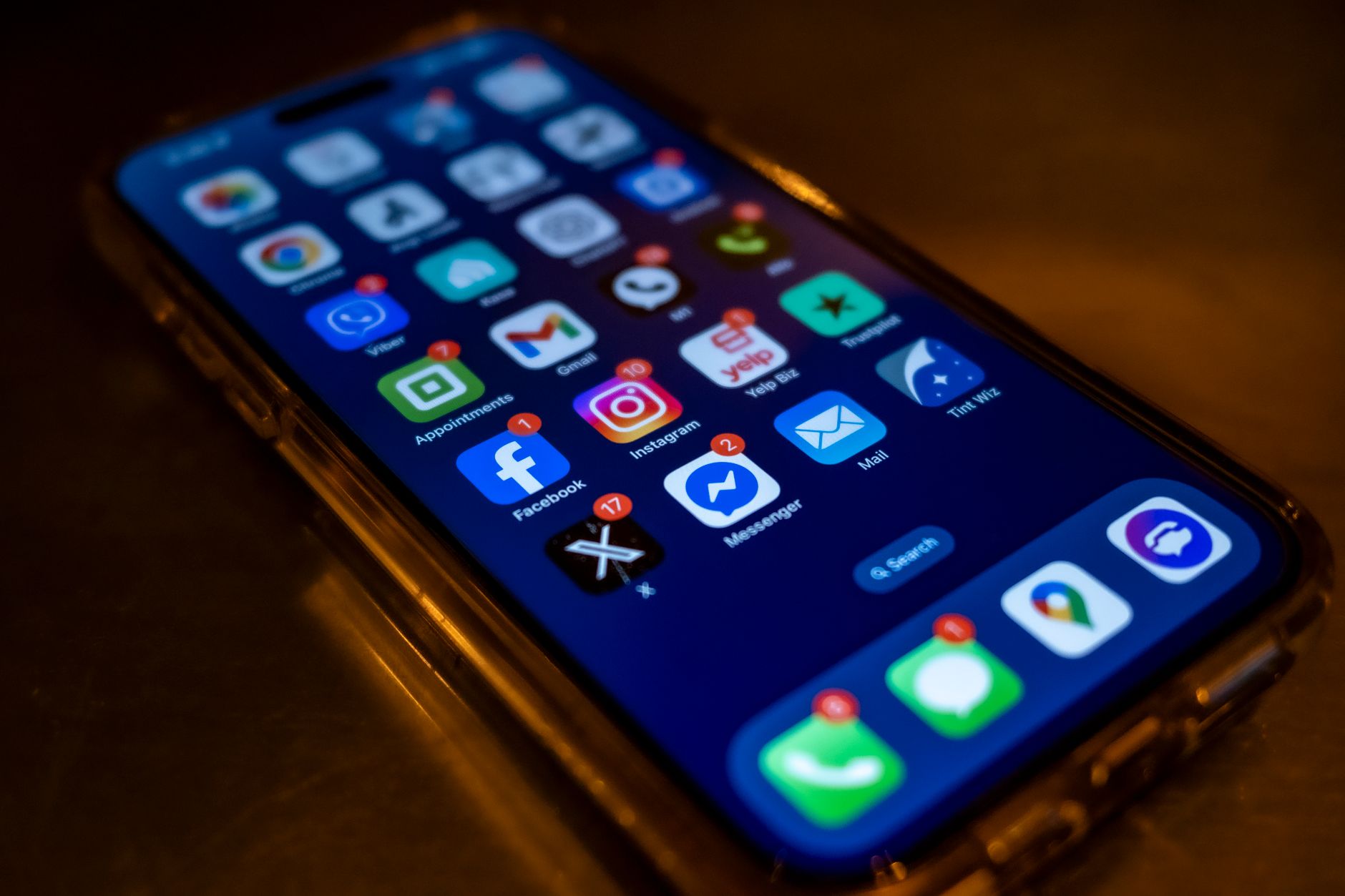
The UK government has announced a sweeping ban on social media access for children under the age of 16, set to take effect in early 2027. This unprecedented move targets major platforms like Instagram, TikTok, Snapchat, YouTube, Facebook, and X, aiming to shield millions of young users from the potential harms of online environments. While the ban has garnered support from child safety advocates and bereaved families, it has also sparked concern among tech companies and child rights commissioners, highlighting the complex balance between protection and digital inclusion.
Details of the Social Media Ban and Its Scope
Prime Minister Sir Keir Starmer announced the ban after a government consultation that drew over 116,000 responses, with a strong majority of parents supporting restrictions on under-16s’ social media use. The ban will require platforms to block access for users under 16, with some exceptions such as messaging apps like WhatsApp and Signal, and online gaming platforms including Roblox. YouTube Kids will remain accessible to younger audiences, while certain features like livestreaming and contact from strangers will be restricted for under-16s on allowed platforms.
To enforce the ban, social media companies will need to implement age verification measures for users aged 16 and above, though many existing adult accounts may be exempt if already verified through credit cards or email. The government also plans to regulate specific platform functionalities—such as infinite scroll and late-night usage—for 16 and 17-year-olds. Additionally, intimate or sexual conversations with AI will be prohibited for users under 18, reflecting broader concerns about emerging digital risks.
Industry Pushback and Concerns Over Enforcement
While the government frames the ban as a necessary step to protect children’s safety and mental health, major tech firms have voiced reservations. Meta, Snapchat, TikTok, and YouTube all emphasized their commitment to online safety but warned that a blanket ban could inadvertently push children towards less regulated and potentially more dangerous online spaces. YouTube, in particular, highlighted its existing protections and educational value for teenagers, cautioning that removing access might isolate young people from positive online communities.
Age verification technology itself presents significant challenges. Previous attempts in other countries, such as Australia’s similar ban, have shown that tech-savvy minors often find ways to bypass restrictions. This raises questions about the practical enforceability of the UK’s ban and whether it might drive younger users underground rather than protect them.
Reactions from Child Advocates and Commissioners
The ban has been met with mixed responses from child welfare experts and commissioners across the UK. Some, like England’s Children’s Commissioner Dame Rachel de Souza, welcomed the move and suggested extending the ban to all under-18s. Bereaved parents, who have campaigned against online harms linked to tragic incidents, see the ban as a potential life-saving measure.
However, commissioners from Wales, Scotland, and Northern Ireland expressed concerns that the ban oversimplifies the problem and risks letting social media companies off the hook by shifting responsibility away from them. They advocate for stronger platform accountability and safer design standards rather than outright prohibition, emphasizing that children’s rights to digital participation must be balanced with protection.
Global Context and Future Implications
The UK’s ban is part of a growing international trend to regulate children’s online access amid rising concerns about mental health, privacy, and exposure to harmful content. Countries like Australia have already implemented similar restrictions, but enforcement remains a challenge. In the United States, policymakers favor encouraging safer platform designs and usage limits over outright bans, reflecting a more cautious regulatory approach.
This move signals a shift in how governments view the role of social media in children’s lives, prioritizing safety over unrestricted access. It may prompt platforms to rethink their product designs and moderation policies to comply with evolving regulations. However, it also raises complex questions about digital rights, the effectiveness of age verification, and the potential unintended consequences of pushing young users into less visible online spaces.
As the UK government prepares to pass the necessary regulations by the end of this year, the debate is likely to intensify around how best to protect children without stifling their digital engagement and social development. The coming years will reveal whether this bold policy can serve as a model for safer online environments or if it will require significant adjustments to address the realities of children’s digital lives.