
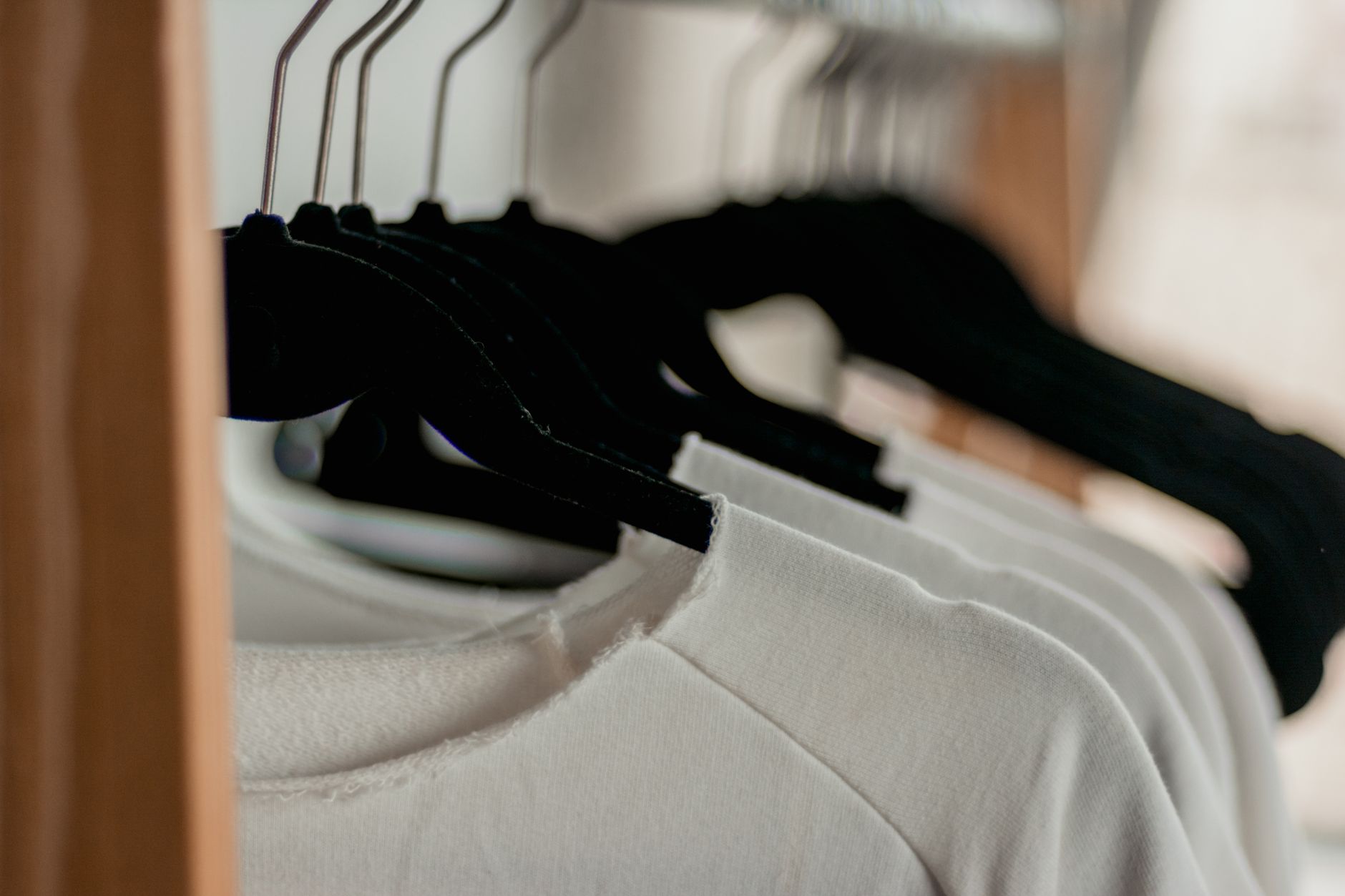
As students prepare to embark on university life, the traditional image of a cluttered, chaotic dorm room is being replaced by a meticulously curated space. John Lewis’s latest university essentials list has sparked conversation—and some bewilderment—by including items like £80 spice racks and a recommended 30 to 40 “standard velvet or plastic hangers.” This raises an intriguing question: have student priorities shifted so dramatically that velvet hangers are now considered a staple, and what does this say about the evolving culture of student living?
From Ransacked Dorms to Retail-Ready Rooms
Gone are the days when dorms were synonymous with mismatched furniture, hastily thrown-together bedding, and a general sense of organized chaos. Today’s students seem to be stepping into university with a far more polished approach, often guided by high-end retailers like John Lewis. The inclusion of velvet hangers as a “standard” item highlights this shift toward a more refined, almost boutique style of living—even in student accommodations.
Velvet hangers, traditionally associated with luxury wardrobes, are prized for their non-slip surface and sleek look. But the idea that every student should bring 30 to 40 of these, alongside plastic hangers, suggests a level of wardrobe management previously unheard of in student culture. It points to a broader trend where students are not just preparing for academic success but cultivating a lifestyle image, even in their early twenties.
The Price of Preparation: Luxury Essentials on a Student Budget
The list doesn’t stop at hangers. It includes items such as a £495 Marc Jacobs bag, a £399 desk, and an £80 spice rack carousel. Such items raise eyebrows about the affordability and practicality of these “essentials.” For many students and their families, the cost of university already strains finances, with tuition fees and living expenses mounting. The addition of luxury goods to a packing list may reflect aspirational consumerism but risks alienating those who cannot afford such extravagances.
Moreover, the emphasis on wellness and hygiene—evidenced by items like shower squeegees and Stanley cups—suggests a generational focus on health and self-care. While these are positive trends, they also contribute to a sanitized, almost clinical vision of student life that contrasts sharply with the messy, experimental reality many older generations remember.
What This Means for Student Independence
One of the most interesting aspects of this shift is how it intersects with notions of independence and self-discovery. University has long been seen as a time for young adults to experiment, make mistakes, and develop their own tastes—often through trial and error with practical, sometimes impractical, possessions.
The John Lewis checklist, with its polished, pre-approved items, could be seen as limiting this process. By prescribing what counts as “essential,” it risks transforming student living into a curated, consumer-driven experience rather than one of personal growth and exploration.
Yet, there is hope that students will still carve out their own identities. Anecdotes from recent graduates reveal a different story: kitchens dominated by oversized air fryers won at bingo, and bedrooms scattered with the remnants of their university days—deflated duvets, singed tea towels, and a colorful array of mismatched cookware. These personal touches, often acquired outside of official lists, speak to a more authentic student experience.
Social Currency: The Real University Essential
Interestingly, when asked about the most valued items, recent graduates point to something less tangible but arguably more important than velvet hangers or designer desks: social currency. One student highlighted a kilo bag of Belgian chocolate chips as a “door-opener” among peers, serving as both a conversation starter and a shared treat.
This insight reveals a crucial truth about university life—beyond the material checklist, the real essentials are those that foster connection and community. Whether it’s a shared meal, a common interest, or simply kindness, these social elements define the student experience far more than any curated list of possessions.
Conclusion: Rethinking What Students Really Need
The John Lewis university essentials list offers a fascinating glimpse into how student priorities are evolving, reflecting broader societal trends toward wellness, style, and consumerism. However, it also raises questions about accessibility, practicality, and the true nature of independence in early adulthood.
As students navigate the challenges of higher education and life away from home, their most valuable assets may not be velvet hangers or spice racks but the freedom to personalize their spaces, make their own mistakes, and build meaningful relationships. In the end, perhaps the best university essentials are less about what you pack and more about how you live.
Recommended reading
For more context, see related Peack News coverage and explainers linked below.