
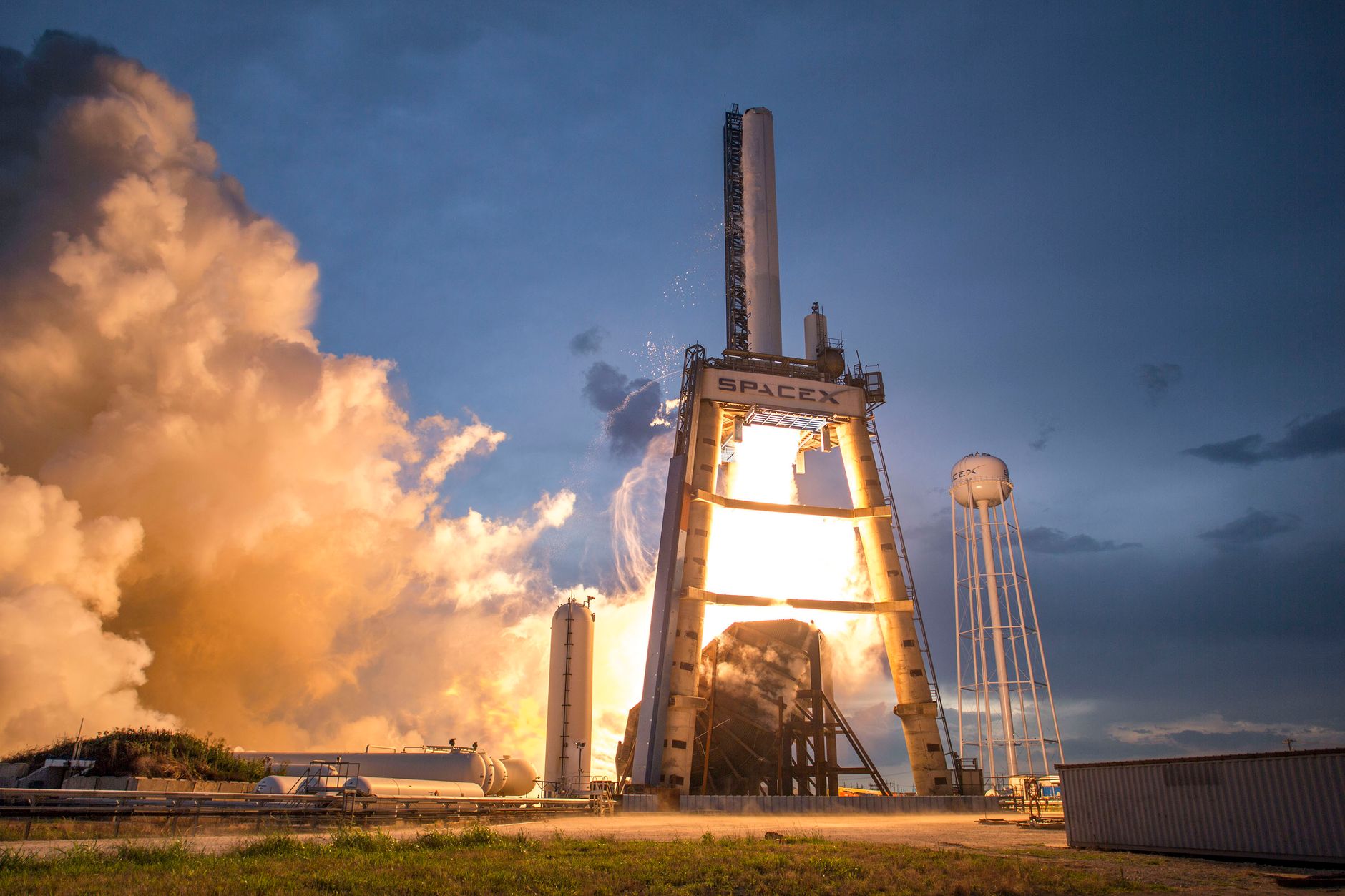
SpaceX is set to transform the aerospace landscape with the announcement of a colossal new rocket launch facility in Louisiana, valued at a staggering $100 billion. This project, named Starbase, Louisiana, is poised to become the company’s largest site yet and represents a significant leap forward in SpaceX’s ambitions to increase launch frequency and expand humanity’s reach beyond Earth. Scheduled to begin operations with its first Starship flight in 2029, the facility signals a new chapter in the commercial space race and regional economic development.
Starbase Louisiana: A New Frontier for Space Launches
Located on a sprawling 125,000-acre site in southern Louisiana, Starbase Louisiana will dwarf SpaceX’s existing facilities in Texas and Florida. The scale of the project is unprecedented, with plans to support thousands of Starship launches annually. These missions will target Earth orbit, the Moon, Mars, and potentially destinations beyond, reflecting SpaceX’s long-term vision for interplanetary travel and space colonization.
This facility is not just a launchpad but a comprehensive spaceport designed to handle the logistical and technical demands of next-generation aerospace operations. By enabling a high cadence of launches, SpaceX aims to revolutionize how frequently and reliably rockets can be sent into space, a critical factor for satellite deployment, scientific exploration, and future crewed missions.
Economic Impact and Regional Transformation
Beyond its technological ambitions, Starbase Louisiana is set to be a major economic engine for the region. SpaceX projects the creation of over 3,000 direct jobs at the facility, with average wages nearly triple the current regional average. The ripple effect is expected to generate an additional 8,100 indirect jobs, spanning sectors such as construction, manufacturing, and service industries.
The Louisiana Economic Development agency has embraced the project as a transformative opportunity to position the state as a global aerospace hub. The influx of skilled workers and high-paying jobs could revitalize local communities and stimulate infrastructure improvements. This development also highlights the growing trend of space industry expansion into new geographic territories, breaking the traditional coastal strongholds in Florida and California.
Strategic Timing and Market Pressures
The announcement comes at a pivotal moment for SpaceX. Having recently gone public with the world’s largest tech IPO, the company faces mounting pressure to demonstrate profitability and sustainable growth. The stock’s initial surge has cooled, with shares falling over 30% from their peak, underscoring investor skepticism about the company’s ability to balance its ambitious expansion with financial discipline.
Starbase Louisiana’s scale and potential revenue streams from frequent Starship launches could be crucial in reassuring investors. The facility’s capacity to support a high volume of missions aligns with SpaceX’s broader strategy to dominate satellite internet through Starlink, service commercial and government contracts, and spearhead lunar and Martian exploration initiatives.
Elon Musk’s Vision: Beyond Rockets
Starbase Louisiana fits into a wider ecosystem of Musk’s ventures, which include Tesla’s electric vehicles, AI development, and robotics. The recent announcement of a $16.8 billion AI chip manufacturing complex in Texas underscores the interconnected nature of his companies’ ambitions. High-performance computing and AI are expected to play integral roles in managing complex space operations, autonomous spacecraft navigation, and data processing from space missions.
SpaceX’s push into large-scale infrastructure projects like Starbase Louisiana signals a shift from experimental rocket launches to industrial-scale space operations. This evolution reflects Musk’s vision of a multiplanetary future, where space travel becomes routine, and humanity’s presence extends well beyond Earth.
Challenges and the Road Ahead
Despite the excitement, the project faces significant challenges. Constructing and operating the largest rocket launch facility in the world involves navigating environmental regulations, securing local community support, and managing the technological complexities of Starship, which is still in development. The ambitious timeline targeting a first launch in 2029 will test SpaceX’s ability to scale rapidly while maintaining safety and reliability.
Moreover, competition in the space launch market is intensifying, with rivals such as Blue Origin, Boeing, and international players advancing their own heavy-lift capabilities. SpaceX’s ability to leverage this new facility to maintain its market leadership will be watched closely by industry analysts and investors alike.
Starbase Louisiana is more than a launch site; it is a bold statement about the future of space exploration and the economic revitalization of a region ready to embrace the space age. As SpaceX embarks on this unprecedented expansion, the world will be watching to see if this $100 billion gamble pays off in propelling humanity to new cosmic heights.
Recommended reading
For more context, see related Peack News coverage and explainers linked below.
- AI Help Can Boost Puzzle Performance but May Hinder Long-Term Skill Growth, New Study Finds
- New AI Technique Enhances Long-Term Predictions for Complex Physical Systems
- Industrial Control Systems Face New Challenges as Training Data Contamination Undermines AI Anomaly Detection
- Explainer: Complete Guide to AI Regulation
- Explainer: Global AI Companies Landscape