
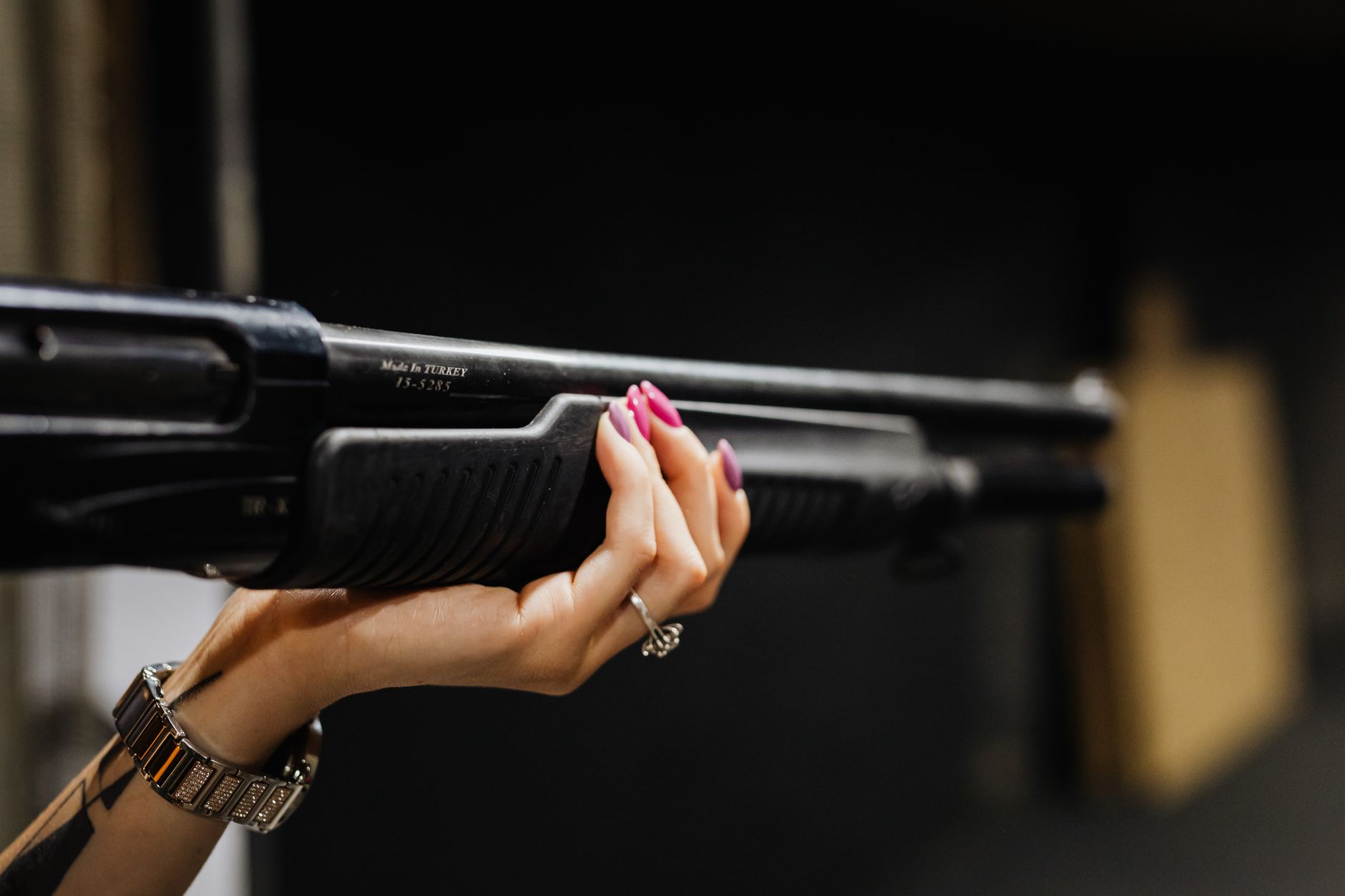
At the recent NATO summit in Ankara, Sir Keir Starmer, the UK Prime Minister, received an unusual and controversial gift from Turkish President Recep Tayyip Erdogan: a personalized revolver complete with live ammunition. The presentation of the firearm, engraved with Starmer’s name, was part of a series of similar gifts given to leaders attending the summit. However, the revolver has not been brought back to the UK due to strict firearm import laws and remains in Turkey under the custody of British officials.
A Symbolic Gesture Amid Diplomatic Complexity
The presentation of a live firearm as a diplomatic gift is highly unconventional, especially in the context of Western political norms. Erdogan’s decision to waive export controls on the revolver facilitated the gift, but UK regulations prohibit the importation of live firearms, which is why the weapon remains in Turkey. British officials plan to decommission the revolver before any potential return, rendering it incapable of firing live ammunition.
This gesture, while symbolic, highlights the different diplomatic cultures and traditions within NATO’s diverse membership. In Turkey, such gifts may be seen as marks of respect and honor, whereas in the UK and many Western countries, the notion of a political leader receiving a loaded gun is likely to provoke discomfort and debate.
Implications for UK-Turkey Relations and NATO Cooperation
The gift came alongside a significant defence agreement signed by Starmer and Erdogan, aimed at enhancing intelligence sharing between the UK and Turkey. This pact underscores the strategic importance of Turkey within NATO, especially given its geographic position bridging Europe and the Middle East, and its complex relationships with both Western allies and regional powers.
Starmer emphasized the summit’s success in fostering unity within the alliance, particularly in light of ongoing conflicts in Ukraine and tensions in Iran. The defence agreement with Turkey reflects a pragmatic approach to strengthening NATO’s internal cohesion and operational effectiveness.
Yet, the revolver gift also serves as a reminder of the nuanced and sometimes uneasy alliances within NATO. Turkey’s domestic and foreign policies have occasionally clashed with the interests and values of other member states, making diplomatic gestures like this both a sign of respect and a potential source of controversy.
Starmer’s Final International Appearance and Political Context
This NATO summit marks Sir Keir Starmer’s last major international event before his announced resignation. The personalized revolver, therefore, becomes a curious symbol of his tenure on the world stage—an emblem of both diplomatic engagement and the complexities of international relations.
Downing Street’s decision not to release images of the revolver suggests a sensitivity to public perception and the potential political fallout of such a gift. In the UK, where gun control remains a deeply emotional and politically charged issue, the optics of a prime minister receiving a live weapon from a foreign leader are fraught with risk.
As Starmer steps down, the revolver left in Turkey stands as a metaphor for the delicate balance between tradition, diplomacy, and modern political realities. It encapsulates the challenges leaders face when navigating international alliances that bring together diverse cultures, expectations, and legal frameworks.
Recommended reading
For more context, see related Peack News coverage and explainers linked below.