
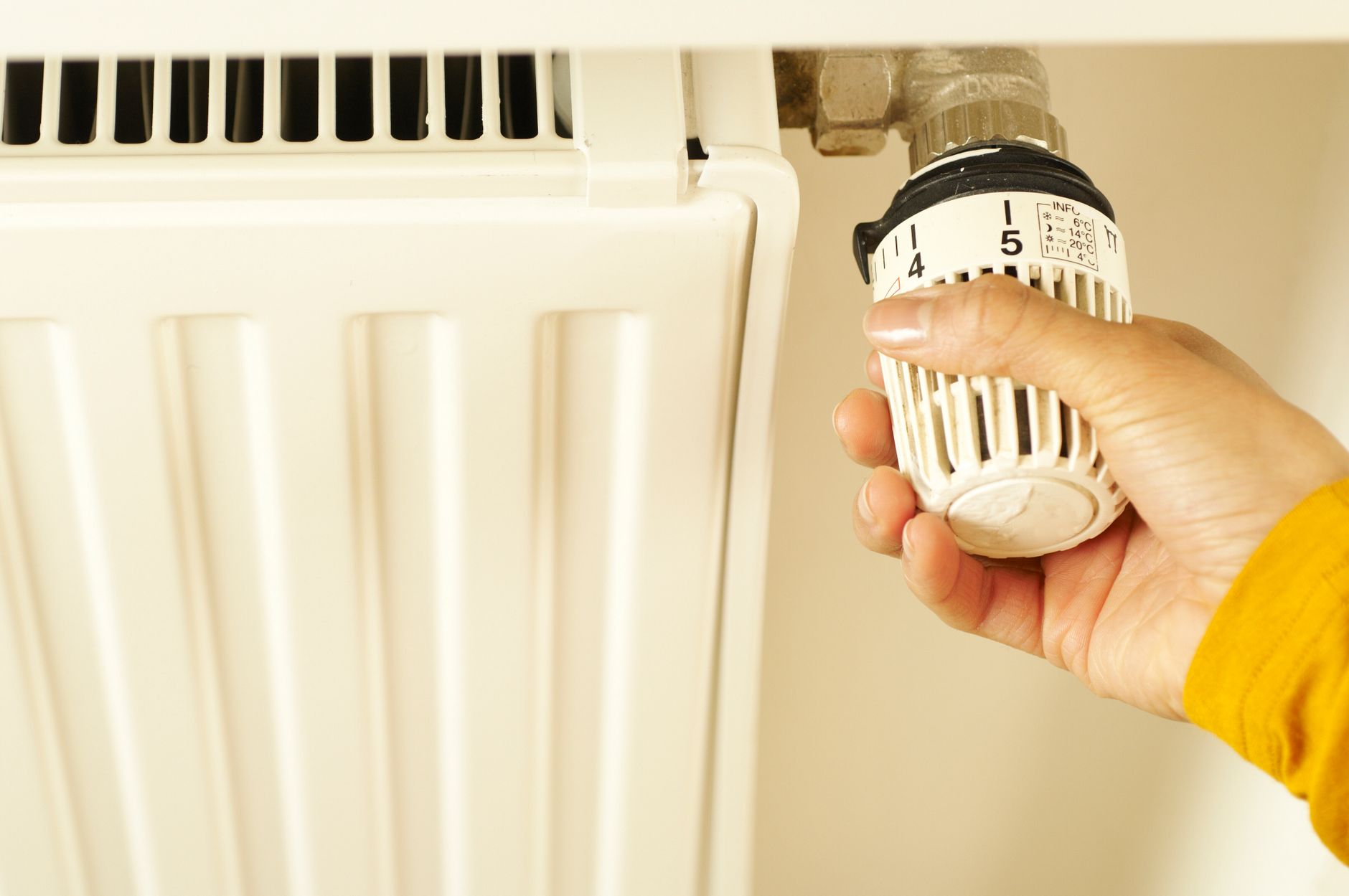
As the UK faces a cold snap with blustery winds and heavy rain, many households are searching for ways to keep warm without immediately turning up the thermostat. With energy bills on the rise and winter just around the corner, practical, low-cost strategies to retain heat in the home are more relevant than ever. From do-it-yourself draught excluders to smart layering of clothing, these simple adjustments can make a significant difference in comfort and cost savings.
Layering Up: The Science Behind Staying Warm Indoors
While many instinctively reach for a chunky jumper or a thick blanket, experts advocate for multiple thin layers of clothing to trap warmth more effectively. The British Heart Foundation highlights that layering helps insulate the body by creating small pockets of warm air between garments, which a single thick layer can’t replicate as efficiently.
Thermal wear, once considered a niche item, has become a popular choice for indoor comfort. Supermarket thermal leggings and tops are affordable and can dramatically improve warmth without bulk. For families with children, encouraging this habit early can help reduce reliance on heating.
Harnessing Household Heat Sources and Insulation Hacks
Beyond clothing, the home itself offers untapped opportunities to conserve and generate warmth. One surprising tip is to leave the oven door open after cooking, allowing residual heat to warm the kitchen. While this requires caution—especially in homes with young children—it’s an effective way to extend heating from everyday activities.
Soft furnishings play a crucial role in maintaining warmth. Thick curtains, rugs, and strategically placed blankets can reduce heat loss through windows and floors. Some households even use blankets under mattresses to block draughts, a practice passed down through generations.
Draught excluders are another inexpensive solution. Instead of purchasing specialized products, many people repurpose old socks stuffed with fabric or rice, or use towels and tights to seal gaps around doors and windows. For those with single-glazed windows, applying bubble wrap as a temporary insulation layer can reduce heat escape and is a budget-friendly alternative to secondary glazing.
Smart Heating Practices to Cut Energy Costs
Heating only the rooms in use is a strategy embraced by many to minimize energy consumption. For example, some families keep radiators off in unused areas and maintain a low setting in the rest of the house to prevent damp or frozen pipes. Modern radiators often feature frost protection settings, which activate minimal heating to safeguard plumbing during cold spells.
Optimizing radiator efficiency can also make a notable difference. Moving furniture away from radiators prevents heat blockage, while placing reflective foil behind radiators directs warmth back into the room instead of being absorbed by walls. Regular maintenance, like bleeding radiators to remove trapped air, ensures they operate at peak performance.
Lowering the flow temperature on combi boilers is another technical adjustment that can reduce fuel use. This requires professional servicing but can enhance overall system efficiency.
Using Alternative Heat Sources and Community Resources
For homes with fireplaces or log burners, lighting a fire can be a cost-effective way to heat living spaces without relying solely on central heating. However, the rising cost of firewood means this option is not without expense. Electric blankets also offer a low-cost way to stay warm, with running costs as low as a few pence per hour. Safety guidelines recommend unplugging electric blankets before sleeping unless they have automatic thermostats and replacing them regularly.
Community spaces such as libraries and local centers often provide warm environments and free hot drinks, serving as vital refuges during cold weather, especially for vulnerable populations. Many councils publish directories of these warm spaces, which can be a lifeline for those struggling with heating costs.
Energy Price Pressures and the Risk of Fuel Poverty
With energy prices expected to surge by as much as 16% in January—equating to an average increase of £276 annually—many households face difficult choices about heating their homes. Fuel poverty remains a significant concern, particularly for families with children, the elderly, and those with health conditions.
Individuals like Rodney Winchester from Thetford highlight the real human impact of these increases. Forced to keep heating on due to health, Rodney has cut back on food spending and worries about the long-term consequences of cold living conditions.
Support schemes such as the Warm Home Discount and Winter Fuel Payment offer some relief, and energy suppliers may provide payment plans or assistance. Nonetheless, proactive measures like those outlined above can help reduce the immediate burden by improving home warmth without excessive reliance on heating.
As winter approaches, combining behavioral changes with simple home improvements can help households stay warm, healthy, and financially resilient. While no single solution fits all, a layered approach to warmth—both literally and figuratively—offers the best defense against the cold and rising costs.
Recommended reading
For more context, see related Peack News coverage and explainers linked below.