
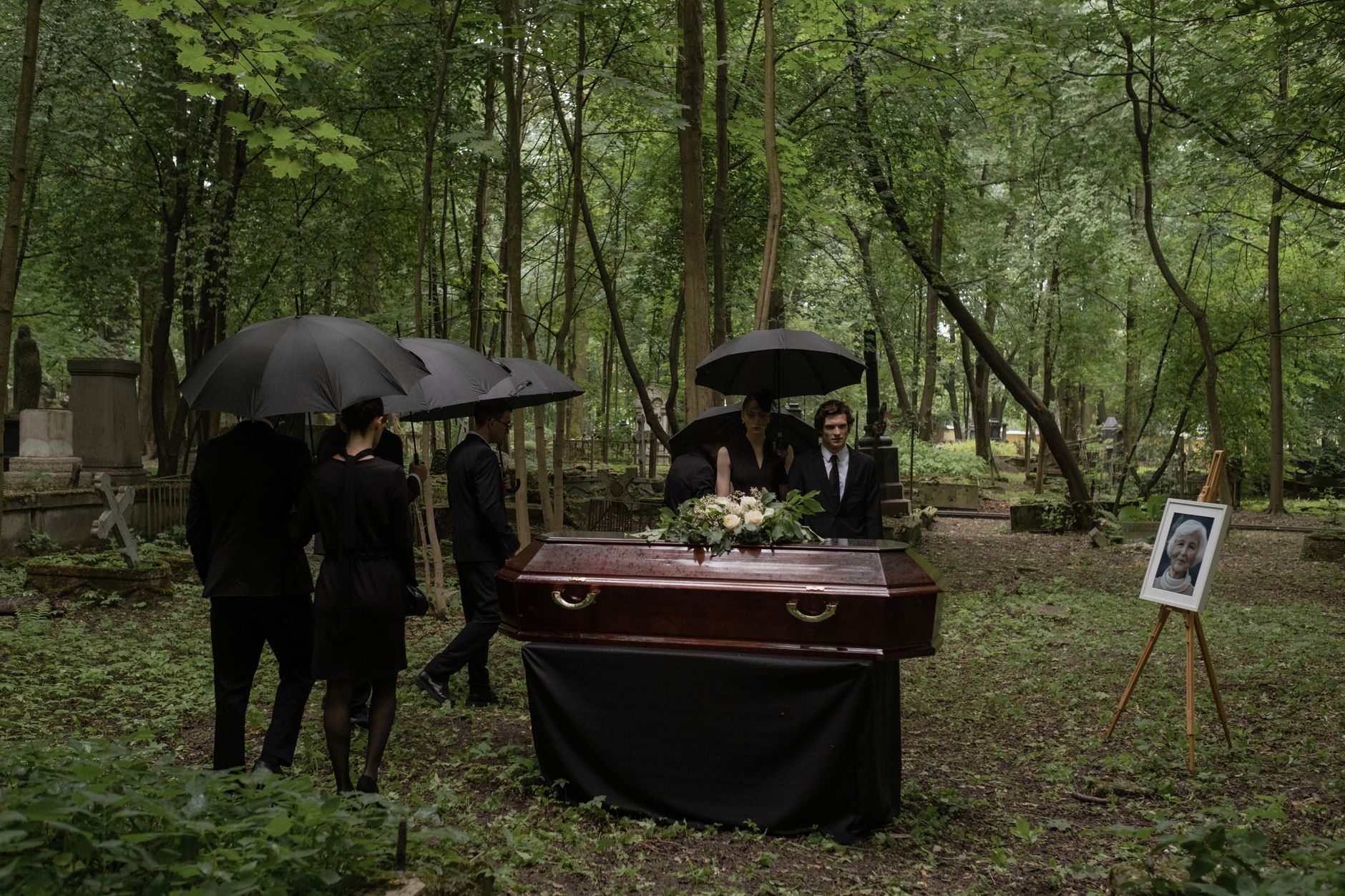
Peter Gill, a towering figure in British theatre whose work quietly reshaped the landscape of modern drama, has died at the age of 86. His passing marks the loss of a director and playwright whose influence extended far beyond the stage, touching the careers of actors and the tastes of audiences across generations.
From Actor to Visionary Director
Born in Cardiff in 1939, Peter Gill began his career as an actor, performing with the Royal Shakespeare Company and appearing in notable films such as HMS Defiant and Zulu. Yet it was his transition into directing and playwriting that cemented his legacy. Gill’s early years in a working-class Welsh community instilled in him a profound sense of identity and authenticity, which permeated his work throughout his life.
His deep connection to the theatre world was most evident at the Royal Court Theatre in London, where he not only directed but also championed the works of other playwrights. His tenure there was marked by a remarkable revival of interest in the plays of D.H. Lawrence. By bringing Lawrence’s lesser-known dramas such as A Collier’s Friday Night, The Daughter-in-Law, and The Widowing of Mrs Holroyd back to the stage, Gill sparked a renaissance that reestablished Lawrence’s dramatic credentials decades after his death.
Championing New Voices and Reviving Classics
Gill’s artistic vision was not limited to revivals. He was a prolific playwright himself, with early works like The Sleeper’s Den and Over Gardens Out reflecting his nuanced understanding of human relationships and social realities. His appointment as associate director of the Royal Court in 1970 and later as artistic director of Riverside Studios in 1976 allowed him to expand his influence, transforming venues into hubs of innovation and quality.
One of his landmark achievements at Riverside Studios was the adaptation of Anton Chekhov’s The Cherry Orchard, a production that played a key role in elevating the theatre’s status from a fringe venue to one rivaling West End institutions. This demonstrated Gill’s ability to blend reverence for classical texts with a fresh, contemporary sensibility.
A Legacy of Emotional Precision and Intellectual Depth
Peter Gill’s work was characterized by what his agent Mel Kenyon described as “rare emotional delicacy” and “beautifully observed and finely tuned” storytelling. His plays and productions were marked by a quiet intelligence and a profound empathy for the complexities of everyday life. This subtlety earned him an OBE in 1980 for services to theatre and led to his founding of the National Theatre Studio in 1984, where he nurtured new talent until 1990.
Colleagues and actors alike remember Gill as a “gentle man with a fierce intelligence,” a voracious reader whose expansive knowledge of the arts enriched every conversation and collaboration. His ability to distill universal truths from intimate domestic scenes gave his work a timeless quality that continues to resonate.
Impact on Actors and British Theatre
The influence of Peter Gill extended into the careers of many who worked with him, including Welsh actor Luke Evans. Evans credits Gill with a pivotal role in launching his career, recalling how being cast in Gill’s 2008 revival of Small Change changed his professional trajectory and opened doors to film roles that might otherwise have remained closed.
Michael Grandage, a respected theatre director and producer, hailed Gill’s contribution to British theatre as “quietly seismic,” emphasizing that future generations will discover some of the finest plays of the last seventy years through his work. Tamara Harvey, co-artistic director of the Royal Shakespeare Company, echoed these sentiments, highlighting Gill’s “unerring ability to capture the complexity of human existence” and his tireless devotion to the craft.
Remembering a Quiet Revolutionary
Peter Gill’s death invites reflection on a career that was never about flamboyance or spectacle but about the power of subtlety and sincerity. His work reshaped British theatre by reviving neglected voices, nurturing new talent, and insisting on the emotional truth of the stage. In an era often dominated by grand gestures and loud declarations, Gill’s legacy is a reminder of the profound impact of quiet, intelligent artistry.
As the theatre community mourns, it also celebrates a man whose gentle demeanor masked a fierce commitment to storytelling and whose finely tuned observations of life continue to inspire artists and audiences alike.
Recommended reading
For more context, see related Peack News coverage and explainers linked below.