
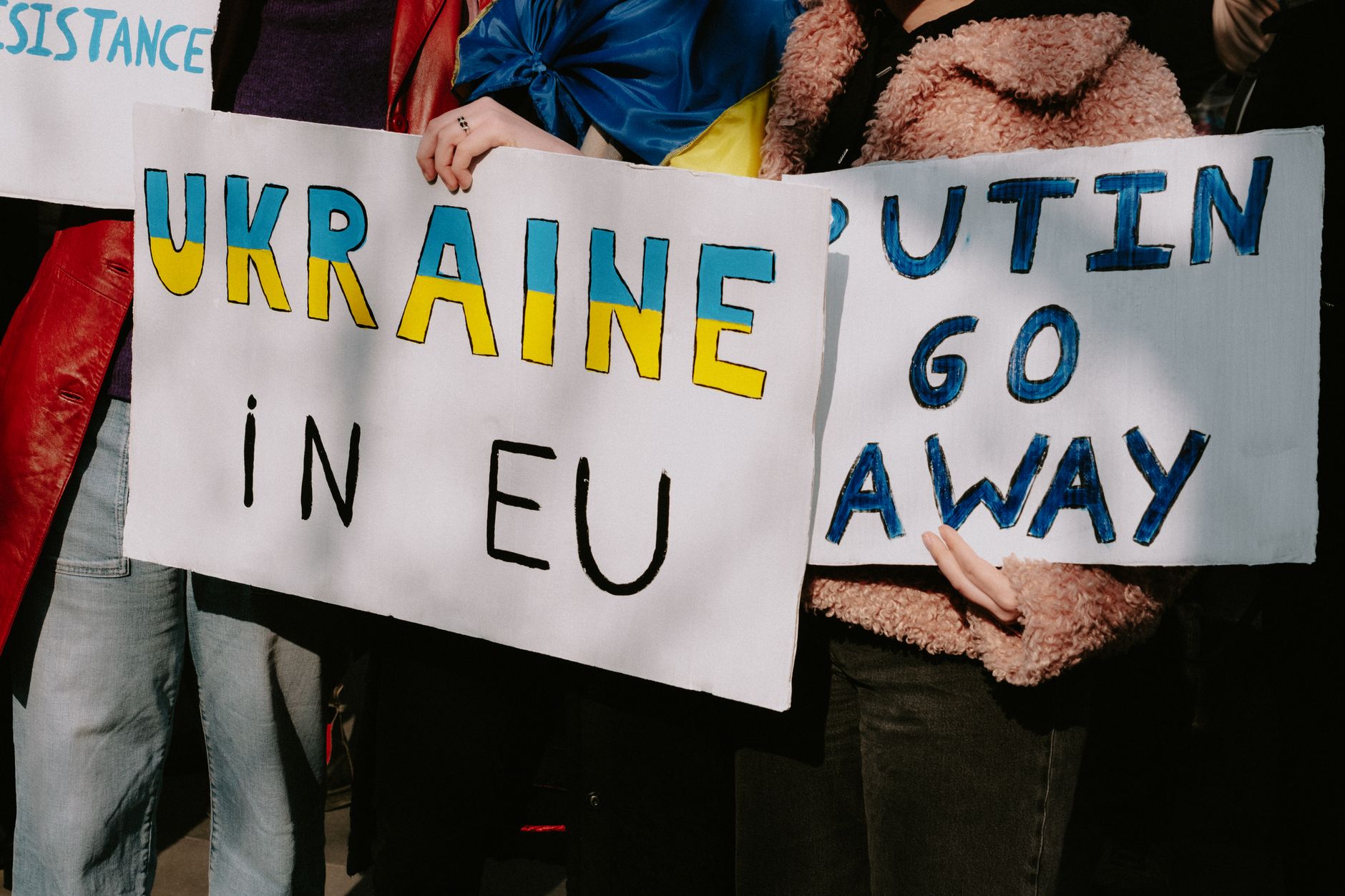
Former US President Donald Trump has reignited controversy by suggesting Ukraine needs a new leader following President Volodymyr Zelensky’s sharp criticism of a recent US-Russia diesel deal. The agreement, intended to ease global fuel shortages, has drawn fierce condemnation from Kyiv, which fears it will bolster Moscow’s capacity to continue its war effort. Trump’s intervention not only deepens the geopolitical rift but also highlights the complex balancing act between energy security and wartime diplomacy.
Trump’s Call for New Leadership in Kyiv
Speaking outside the White House, Trump bluntly stated that “it’s time for Ukraine to get a new president,” directly responding to Zelensky’s condemnation of the diesel agreement. The former president accused Zelensky of exacerbating global tensions by continuing attacks on Russian energy infrastructure, suggesting that a new Ukrainian leader might be more amenable to negotiating deals that could stabilize markets.
This is not the first time Trump has questioned Zelensky’s leadership; last December he also floated the idea of new elections in Ukraine. However, with Ukraine under martial law since Russia’s invasion in early 2022, elections remain suspended, making Trump’s call more rhetorical than immediately actionable. Still, the statement underscores Trump’s willingness to publicly challenge the Ukrainian government’s wartime strategy, a stance that contrasts with the current US administration’s official support for Kyiv.
The Controversial Diesel Deal and Its Global Implications
The crux of the dispute lies in a deal brokered by the US to suspend sanctions on Russian diesel exports until early April. Russia agreed to release 300,000 tonnes of diesel initially, with plans for millions more in the following months, intended to alleviate severe fuel shortages impacting the US and global markets.
Zelensky condemned the deal as a “gift” to Russian President Vladimir Putin, arguing that the influx of diesel revenues would directly finance Moscow’s military operations. His concerns are echoed by European leaders, including the EU’s foreign affairs chief Kaja Kallas, who warned that easing sanctions sends the wrong signal and could prolong the conflict.
Fuel shortages have been exacerbated not only by the war in Ukraine but also by the broader Middle East conflict involving the US and Israel against Iran, which has disrupted oil flows through the Strait of Hormuz. Russian and Ukrainian strikes on energy infrastructure have further tightened supplies, pushing diesel prices in the US above $6 per gallon—double the price from just a year ago.
Energy Security vs. Support for Ukraine’s War Effort
The diesel deal highlights a difficult dilemma for policymakers: how to balance urgent energy needs with the political imperative of supporting Ukraine against Russian aggression. For the US, high fuel prices have become a domestic political headache, with inflation and rising costs hurting public sentiment ahead of the midterm elections.
Trump’s pursuit of the diesel agreement appears motivated in part by this domestic pressure, aiming to bring down fuel prices by increasing supply—even if that means cooperating with Russia. Meanwhile, Zelensky and his allies argue that any concession that indirectly funds Russia’s military undermines the broader goal of ending the war.
This tension is playing out on the international stage as well. The UK has expressed solidarity with Ukraine, calling for an immediate energy ceasefire to unblock global markets, while the EU is preparing its toughest sanctions yet against Russia. The diesel deal, therefore, sits at the intersection of competing priorities: economic stability, energy security, and geopolitical strategy.
The Broader Context of Ukraine’s Leadership and War Strategy
Zelensky’s leadership throughout the war has been marked by efforts to rally international support and maintain a firm stance against Russian advances. His vocal opposition to deals like the diesel agreement reflects a broader strategy to isolate Russia economically and militarily.
Trump’s criticism and call for new leadership can be seen as part of a wider debate over how best to end the conflict. Some argue that pragmatic negotiations and compromises, including easing sanctions temporarily, could hasten peace. Others contend that such moves only embolden Russia and prolong the suffering in Ukraine.
With the war now stretching into its third year, and no clear end in sight, the question of leadership and diplomatic strategy remains contentious. Trump’s remarks, while politically charged, tap into genuine frustrations about the protracted conflict and its global repercussions.
What Comes Next?
The diesel deal’s immediate impact will be closely watched in both energy markets and diplomatic circles. If successful, it may ease some pressure on fuel prices but risks inflaming tensions between Ukraine and its Western allies. Conversely, if the deal fails to deliver or leads to increased Russian military activity, calls for tougher sanctions and stronger support for Kyiv will intensify.
Meanwhile, Trump’s provocative statements are likely to fuel further debate in the US about the country’s role in the conflict and its approach to Ukraine’s leadership. As the midterms approach, energy prices and foreign policy will remain critical issues for American voters.
Ultimately, the diesel deal and the clash of opinions it has sparked underscore the complex interplay of war, diplomacy, and economics shaping the future of Ukraine and global stability.
Recommended reading
For more context, see related Peack News coverage and explainers linked below.