
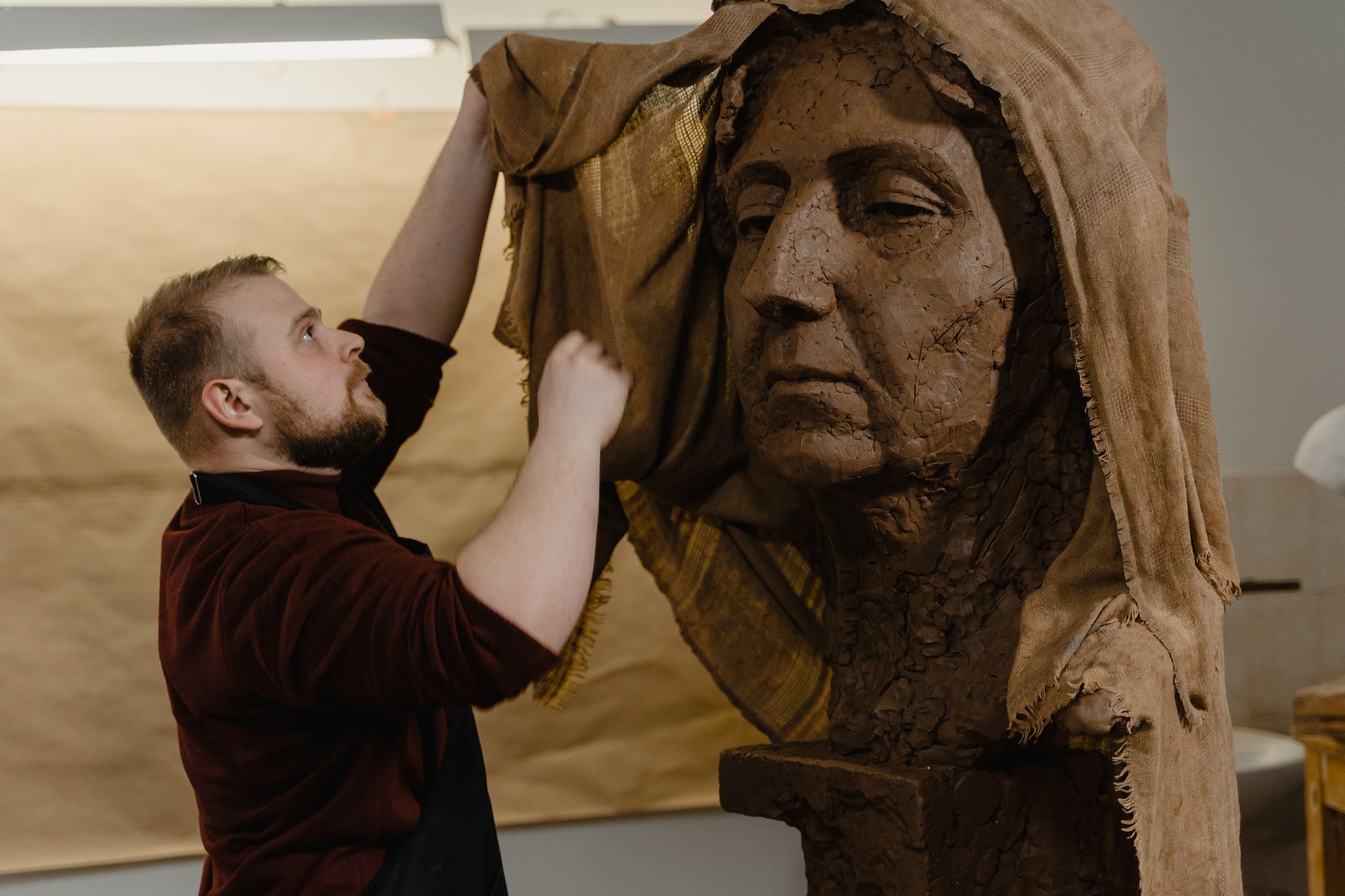
Uganda has taken a significant step in commemorating a complex chapter of its history by unveiling a statue of Yonatan Netanyahu, the Israeli commando who died during the 1976 Entebbe hostage rescue mission. This act not only honors Netanyahu’s bravery but also marks the evolving relationship between Uganda and Israel, transforming a painful past into a symbol of cooperation and mutual respect.
The Entebbe Raid: A High-Stakes Rescue Operation
Fifty years ago, an Air France flight carrying over 100 passengers was hijacked by Palestinian militants and diverted to Entebbe Airport in Uganda. The hijackers, members of the Popular Front for the Liberation of Palestine, demanded a hefty ransom and the release of imprisoned militants in several countries. The Ugandan dictator at the time, Idi Amin, welcomed the hijackers, allowing the hostage crisis to unfold on his soil.
In response, Israel launched a daring rescue mission led by Yonatan Netanyahu, elder brother of the current Israeli Prime Minister Benjamin Netanyahu. The operation, lasting less than 90 minutes, successfully freed most of the hostages, but Yonatan Netanyahu was the sole Israeli soldier killed in the raid. The mission also resulted in the deaths of three hostages, several hijackers, and at least 45 Ugandan soldiers loyal to Amin’s regime.
From Hostility to Honor: Uganda’s Gesture of Reconciliation
Uganda’s decision to erect a statue of Yonatan Netanyahu outside the old Entebbe airport terminal is a striking gesture given the fraught history. The monument depicts Netanyahu striding forward with a machine gun, symbolizing his leadership and sacrifice. Uganda’s army chief, General Muhoozi Kainerugaba, described the statue as a tribute to Netanyahu’s courage and selfless service.
General Kainerugaba acknowledged the complexity of the past, recognizing the Ugandan soldiers who died during the raid as having fought for a brutal dictatorship under Idi Amin, which did not represent the Ugandan people. This nuanced acknowledgment reflects a broader effort by Uganda to reconcile with its history while honoring acts of bravery and humanity.
Strengthening Uganda-Israel Relations Through Shared History
While the Entebbe raid was a humiliating episode for Uganda under Amin’s rule, it has become a foundational story in the evolving relationship between the two nations. Over the decades, Uganda and Israel have moved beyond the shadows of conflict toward a partnership characterized by cooperation in areas such as security, agriculture, and technology.
General Kainerugaba described the journey from hostility to partnership as “remarkable,” emphasizing mutual trust and respect. This is underscored by the fact that the statue stands not as a symbol of conflict but as a reminder of courage and the pursuit of justice. The visit of Prime Minister Benjamin Netanyahu to Entebbe a decade ago highlighted this transformation, with the Israeli leader reflecting on lessons of clarity and courage learned from his brother.
The Enduring Legacy of the Entebbe Raid
The Entebbe rescue mission remains one of the most celebrated counter-terrorism operations in modern history. It demonstrated the willingness and capability of a nation to act decisively in the face of terrorism, setting a precedent for hostage rescue missions worldwide. For Israel, Yonatan Netanyahu’s sacrifice has become a symbol of heroism and dedication to national security.
For Uganda, the statue and the accompanying acknowledgment by military leadership signal a willingness to confront a difficult past and embrace a future of cooperation. The memorial also honors the hostages who lost their lives, including Dora Bloch, who was murdered in a Kampala hospital after the raid, reminding all that the cost of terrorism and dictatorship is profound and enduring.
Looking Ahead: Symbolism and Real-World Cooperation
The unveiling of the statue is more than a historical commemoration; it is a diplomatic message. It reflects how nations can move beyond conflict and tragedy to build partnerships based on shared values and mutual benefit. Uganda and Israel’s relationship today includes joint efforts in security training, intelligence sharing, and development projects, illustrating how historical wounds can evolve into bridges of cooperation.
As the statue stands sentinel at the site of the raid, it embodies not only the memory of a fallen hero but also a testament to reconciliation and the potential for peace. It challenges both countries, and indeed the world, to remember the costs of conflict while striving for justice and human dignity.
Recommended reading
For more context, see related Peack News coverage and explainers linked below.