
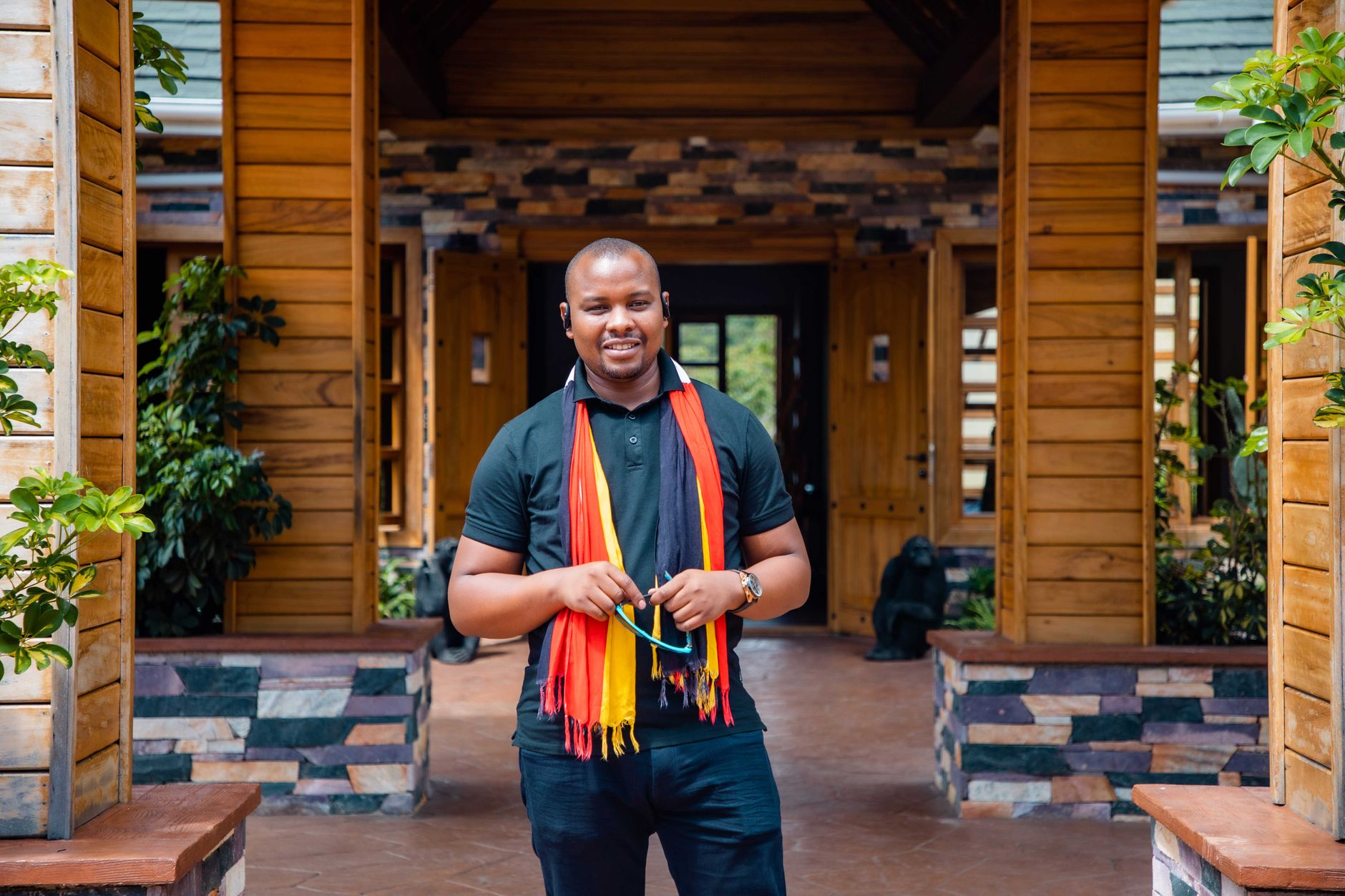
In a dramatic turn of events, Prince Edward Rukidi Kijanangoma Nyabongo II, a well-known Ugandan journalist, is poised to ascend the throne as the new king of the Tooro kingdom. His coronation marks a significant moment in Ugandan cultural history, but it also unfolds amid a contentious succession dispute that has divided the royal family and captivated the nation’s attention.
A Journalist’s Unlikely Path to Kingship
For more than two decades, Kijanangoma was recognized across Uganda not for royal ambitions but as a storyteller and media professional. His career as an anchor and editor at the Uganda Broadcasting Corporation made him a familiar voice in households nationwide. Yet, behind the scenes, his royal lineage as a grandson of King George David Matthew Kamurasi Rukidi III positioned him within the Babiito clan, the traditional ruling family of Tooro.
Unlike many monarchs who inherit their crowns as children or young adults, Kijanangoma’s rise to kingship comes after years of public service in journalism—a role that uniquely equipped him with communication skills and a broad understanding of national affairs. His ability to engage with diverse audiences may prove a valuable asset as he takes on the complex responsibilities of cultural leadership.
The Succession Crisis: Tradition Versus Transparency
The death of King Oyo Nyimba Kabamba Iguru Rukidi IV last month at just 34 years old left the Tooro kingdom in mourning and uncertainty. King Oyo, who ascended the throne at age three and was once the world’s youngest monarch, reportedly left a will naming a young son as his successor. However, this heir has not been publicly acknowledged by the royal succession committee, stirring controversy and mistrust.
The committee of 21 Babiito clan members, responsible for selecting the new king, rejected the claim of King Oyo’s son, citing the absence of public presentation or recognition of the child. Instead, they chose Kijanangoma, a cousin of the late king, as the rightful successor according to traditional customs. This decision sparked a rift, with Queen Best Kemigisa, King Oyo’s mother, openly challenging the process and lamenting that her grandson—the supposed heir—was sidelined.
Her concerns highlight the tension between royal tradition and the need for transparency in succession matters. The secrecy surrounding the young heir and the will has fueled speculation and polarized opinions within the kingdom and beyond.
Political Dimensions and Government Endorsement
Although Uganda’s traditional kingdoms hold no formal political power, their cultural influence remains profound. The government’s role in restoring these monarchies in the 1990s was aimed at fostering national unity and cultural pride, but it also has political implications. President Yoweri Museveni’s administration has publicly supported Kijanangoma’s coronation, with key figures including the president’s son and military chief Muhoozi Kainerugaba endorsing the new king.
This backing signals the government’s interest in maintaining stability within the Tooro kingdom and the broader region. Attorney General Sam Mayanja confirmed that no formal legal challenges had been raised against Kijanangoma’s appointment, clearing the way for the coronation ceremony, which the president himself is slated to attend. Such high-level support underscores the intertwining of cultural traditions and contemporary political dynamics in Uganda.
Symbolism and Ceremony: The Path to the Throne
The coronation rituals of the Tooro kingdom are rich with symbolism, reflecting centuries-old customs that affirm the king’s authority and responsibility. Beginning at midnight, the new king embarks on a 4-kilometer journey to the Karuziika royal palace, where he is crowned amid traditional ceremonies. A mock fight follows, symbolizing the challenges inherent in leadership and the king’s readiness to defend his people.
Blessings from the Babiito clan and other rites culminate in the placing of the crown—a powerful emblem of continuity and sovereignty. These rituals not only legitimize the new monarch but also serve to unite the community in shared heritage and collective identity.
Looking Ahead: Challenges and Opportunities for King Kijanangoma
As he prepares to assume the throne, Kijanangoma faces the daunting task of healing divisions within the royal family and the wider Tooro community. His promise to keep the palace open and focus on unity and development signals an intent to bridge gaps and foster inclusiveness. Drawing on his extensive experience as a journalist, he aims to leverage his networks and communication skills to advance the kingdom’s interests.
However, the unresolved questions about King Oyo’s heir and the ongoing dispute present potential flashpoints that could test his leadership. Navigating these sensitive issues will require diplomatic acumen and a deep respect for tradition balanced with openness to dialogue.
Ultimately, Kijanangoma’s coronation is more than a ceremonial event; it is a defining moment for the Tooro kingdom as it strives to preserve its cultural legacy while adapting to the complexities of modern Uganda. His reign may well shape how traditional institutions coexist with contemporary governance and societal expectations in the years to come.
Recommended reading
For more context, see related Peack News coverage and explainers linked below.