
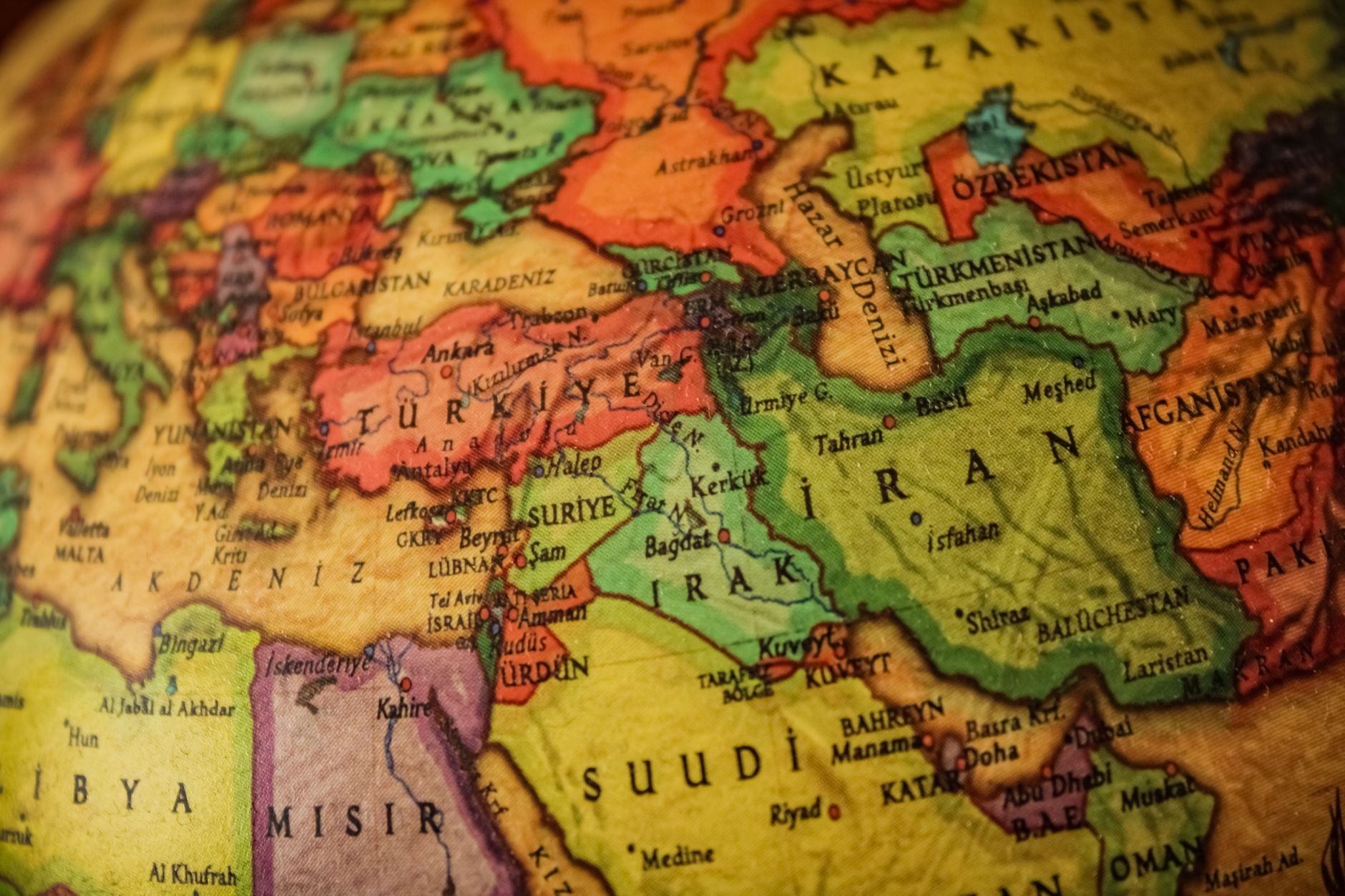
The International Atomic Energy Agency’s (IAEA) unprecedented referral of Iran to the UN Security Council marks a critical escalation in the fraught saga over Iran’s nuclear program. This move, the first in two decades, underscores the growing international alarm over Tehran’s lack of transparency and access restrictions imposed on nuclear inspections amid ongoing regional conflict. Yet, the diplomatic fallout reveals a complex geopolitical standoff where military strikes, mistrust, and strategic posturing intertwine, challenging the global non-proliferation framework and raising the specter of wider instability.
IAEA’s Referral: A Rare and Serious Step
The IAEA’s decision to refer Iran to the Security Council is a striking indication of the agency’s frustration with Tehran’s non-compliance. The resolution, passed by the IAEA Board of Governors in Vienna, highlights Iran’s failure to provide credible information on its nuclear material inventory, particularly its stockpile of highly enriched uranium, and its refusal to grant inspectors access to key nuclear sites such as Natanz and Fordo. This lack of transparency is a direct violation of Iran’s obligations under the Nuclear Non-Proliferation Treaty (NPT).
Such referrals are rare; the last time the IAEA took this step was over 20 years ago, reflecting how serious the current situation has become. The referral essentially hands the issue over to the Security Council, which has the authority to impose sanctions or take other measures. However, the resolution’s passage was far from unanimous, with China, Russia, and Niger opposing it, and several countries abstaining, signaling deep divisions within the international community.
Military Strikes and Inspection Access: A Vicious Cycle
Tehran’s condemnation of the resolution points to a broader and more troubling dynamic—military strikes on its nuclear facilities by the US and Israel have severely disrupted the IAEA’s ability to conduct inspections. Since June 2025, a series of targeted attacks have damaged key enrichment sites and infrastructure, including recent strikes during the latest conflict that erupted in February 2026. Iran argues these attacks justify its refusal to allow inspectors on site, claiming that inspection access should be negotiated as part of a broader peace settlement.
This creates a vicious cycle: the attacks hinder inspections, which then fuel suspicions and accusations of non-compliance, leading to harsher diplomatic measures. Iran’s deputy foreign minister accused the US and Israel of manufacturing a pretext for the IAEA resolution by first attacking safeguarded facilities. This intertwining of military action and diplomatic processes complicates efforts to achieve transparency and peaceful resolution.
The Nuclear Material at the Heart of the Crisis
Central to the international concern is Iran’s rapidly growing stockpile of enriched uranium. According to US officials, at the outbreak of the recent conflict, Iran possessed approximately 440 kilograms of uranium enriched to 60%. This level of enrichment is alarmingly close to weapons-grade material, which requires about 90% enrichment. The speed with which Iran could potentially ramp up to weapons-grade uranium raises fears that Tehran could develop a nuclear weapon within months if it chooses to do so.
Iran maintains that its nuclear program is intended solely for peaceful purposes, such as energy generation and medical research. However, the opacity surrounding its activities and the restrictions on inspections have led many Western countries, including the US, Israel, and European nations, to doubt these claims. The referral to the Security Council thus reflects not only concerns over treaty violations but also a broader anxiety about nuclear proliferation in a volatile region.
Geopolitical Implications and the Limits of International Action
The Security Council referral places Iran’s nuclear dossier at the center of international diplomacy, but the prospects for unified action are limited. China and Russia, both permanent Security Council members with veto power, have opposed the resolution, signaling their reluctance to support new sanctions or punitive measures against Tehran. Their stance reflects broader geopolitical rivalries and differing strategic interests in the Middle East.
Without consensus among the Security Council’s permanent members, the referral may not translate into immediate new sanctions, limiting its practical impact. Instead, it risks deepening polarization, with Iran’s allies rallying around it while Western powers push for increased pressure. This stalemate diminishes the chances for diplomatic breakthroughs and could embolden Iran to further restrict inspections or accelerate its nuclear activities.
Looking Ahead: The Fragile Path to Resolution
The unfolding crisis illustrates the fragility of the global non-proliferation regime in the face of geopolitical conflict and military confrontation. The IAEA’s referral is a clear signal that the status quo is unsustainable, but the path forward is fraught with challenges. Iran’s insistence on tying inspection access to a broader peace settlement, combined with ongoing strikes by the US and Israel, suggests that resolving the nuclear dispute will require a comprehensive approach addressing both security concerns and regional tensions.
For the international community, balancing the enforcement of non-proliferation norms with the realities of power politics will be critical. Failure to do so risks not only the collapse of the Iran nuclear deal framework but also the potential for nuclear proliferation and wider instability in the Middle East. The coming months will be decisive in determining whether diplomacy can prevail or if the cycle of conflict and suspicion will deepen further.
Recommended reading
For more context, see related Peack News coverage and explainers linked below.