
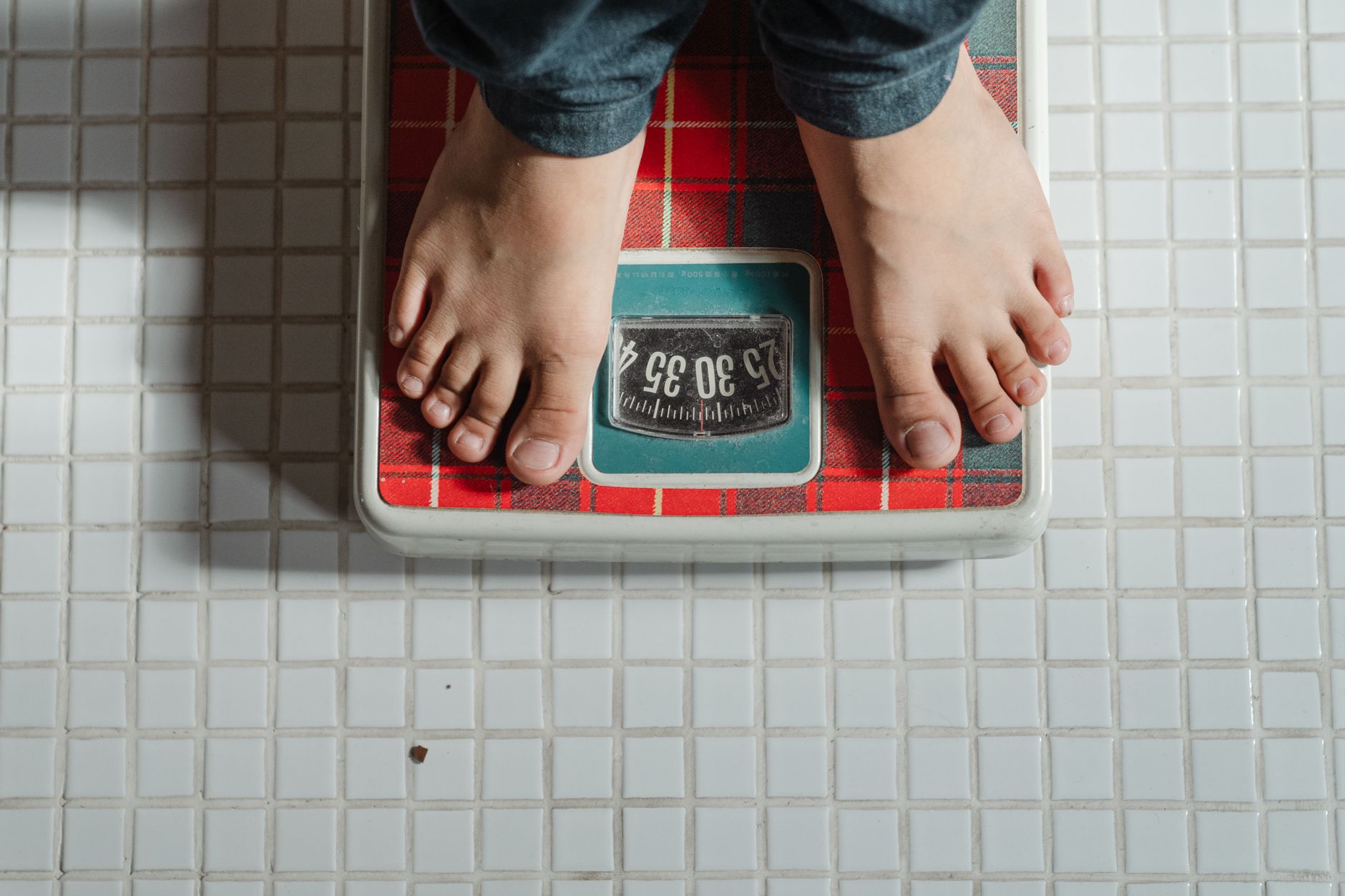
Despite the approval of weight loss injections like Mounjaro and Wegovy on the NHS in Scotland, fewer than 800 patients have accessed these treatments through public healthcare. This starkly contrasts with the tens of thousands accessing the drugs privately, highlighting a growing disparity in obesity care across Scotland. As obesity rates climb, this uneven rollout has sparked concerns over widening health inequalities and the NHS’s capacity to tackle the epidemic effectively.
Limited NHS Access Amid a Growing Obesity Crisis
Obesity affects around a third of Scotland’s population, contributing significantly to chronic illnesses such as diabetes, cardiovascular disease, and certain cancers. In this context, the availability of effective treatments is critical. The glucagon-like peptide-1 (GLP-1) receptor agonists Mounjaro and Wegovy have been hailed as breakthrough medications for weight management, suppressing appetite and improving metabolic health.
However, despite their approval for weight loss on the NHS in 2023 and 2024 respectively, only five of Scotland’s 14 health boards currently offer these injections as part of limited pilot schemes. These include NHS Forth Valley, NHS Borders, NHS Lothian, NHS Lanarkshire, NHS Western Isles, and the NHS State Hospital. Together, they have prescribed the drugs to just 705 patients by September 2026.
Meanwhile, private prescriptions have surged, with estimates suggesting over 300,000 Scots are obtaining these medications outside the NHS. This discrepancy raises pressing questions about equitable access to effective obesity treatments.
Pilot Programmes and Strict Eligibility Criteria
The NHS pilot programmes for weight loss injections are highly selective. For example, NHS Forth Valley requires patients to have a body mass index (BMI) of 40 or above and to be living with at least four serious medical conditions or require urgent surgery. Patients undergo regular monitoring by pharmacists and dietitians to support sustainable weight loss and mitigate the risk of rapid weight regain after stopping treatment.
Kathleen McLaughlin, a 54-year-old patient from Laurieston, exemplifies the benefits of this approach. Referred to the Forth Valley programme to reduce her weight before surgery, she has lost four stone since April 2026, improving both her physical mobility and mental wellbeing. Kathleen emphasizes the importance of NHS support, expressing reluctance to pursue private treatment without professional guidance.
Yet, these pilot programmes are currently not accepting new referrals, underscoring the limited capacity and cautious expansion of NHS weight loss services.
Doctors Warn of Discrimination and Growing Inequality
Medical experts have criticized the slow NHS rollout as discriminatory and detrimental to public health. Dr. Mark Strachan, president of the Royal College of Physicians, calls the lack of progress “unacceptable,” highlighting the NHS’s ongoing financial burden treating obesity-related complications instead of addressing root causes.
Dr. Strachan points out a paradox where patients with type 2 diabetes can access these drugs on the NHS, but those seeking treatment solely for obesity often cannot. This split access not only undermines treatment equity but also drives many towards costly private prescriptions without medical supervision, raising safety concerns.
Importantly, obesity disproportionately affects people from lower-income backgrounds, meaning limited NHS availability exacerbates health inequalities. Private access is often out of reach for those most in need, entrenching disparities in outcomes.
The Complexity of Obesity Treatment Beyond Medication
Weight loss is not simply a matter of prescribing drugs. Dr. Jane Sehgal, a GP and health coach, stresses the multifaceted nature of obesity, influenced by lifestyle, mental health, stress, and social factors. Medications like GLP-1 agonists are valuable tools but must be integrated into comprehensive care plans that include diet, exercise, psychological support, and behavioural changes.
Patients like Sabriena Clayton, who began private treatment after struggling with obesity despite healthy habits, report transformative effects. Still, experts caution that without structured support, the benefits of medication alone may be limited or temporary.
Health Boards’ Role and Future Prospects
The Scottish government maintains that decisions on obesity medication availability rest with individual health boards, guided by national consensus statements recommending phased introductions based on BMI and coexisting health conditions. Public Health Minister Maree Todd emphasizes that medicines are just one component of obesity management, alongside lifestyle interventions.
Health boards like NHS Forth Valley express a desire to expand their pilot programmes but cite resource constraints and the need to ensure sustainable delivery. This cautious approach reflects broader NHS challenges balancing innovation, cost, and equitable access.
The current landscape in Scotland reveals a healthcare system at a crossroads: the promise of revolutionary weight loss treatments juxtaposed with limited public access and growing private demand. Without a coordinated, adequately funded strategy, the gulf between those who can afford private care and those reliant on the NHS risks deepening, leaving vulnerable populations behind in the fight against obesity.
Recommended reading
For more context, see related Peack News coverage and explainers linked below.