
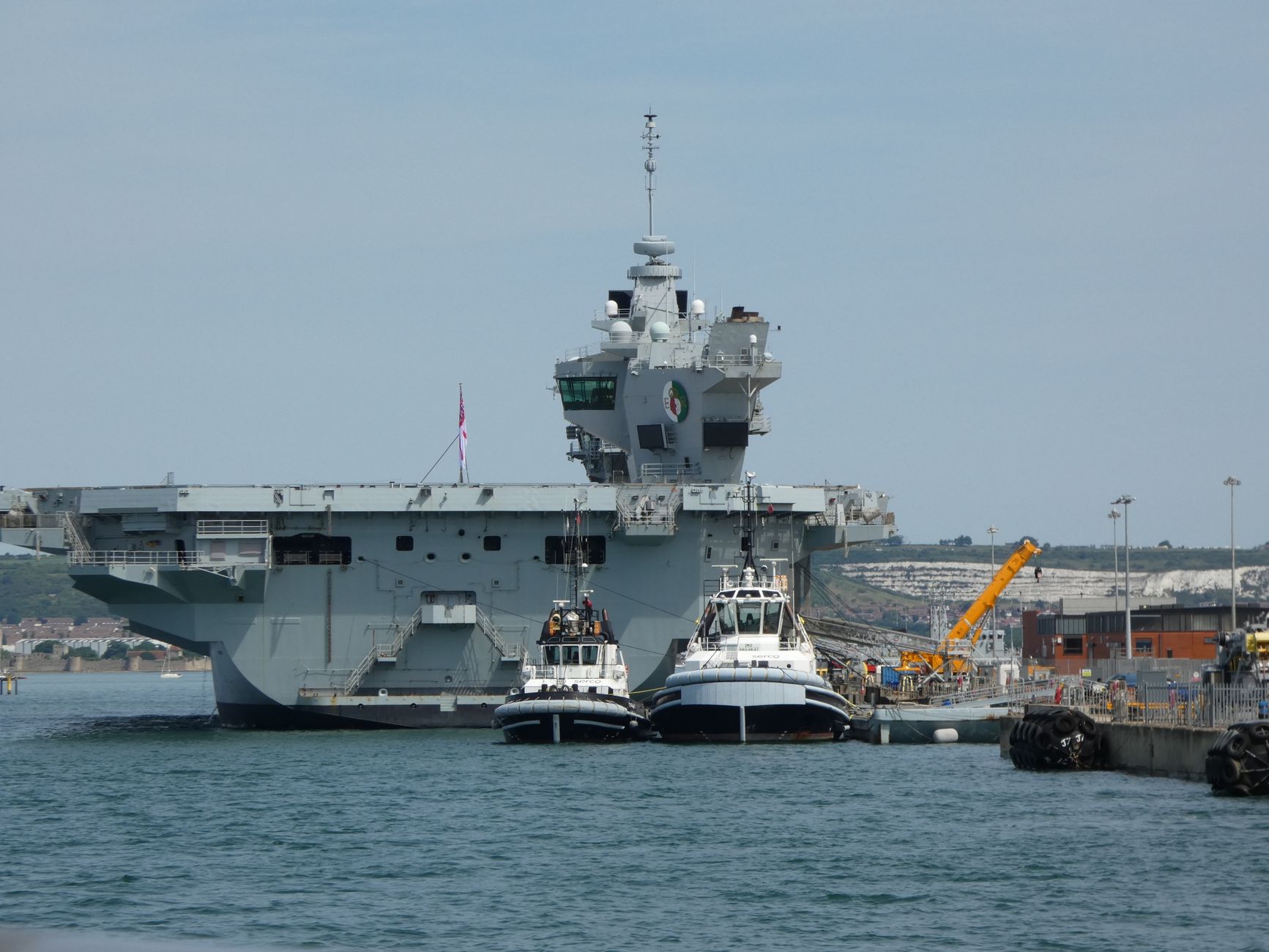
The USS Abraham Lincoln, a US Navy aircraft carrier, has been at sea for over 250 days, a deployment length that has sparked serious concerns about the welfare of its roughly 5,000 crew members. Reports of food shortages, broken plumbing, mental health struggles, and extreme fatigue have surfaced, prompting lawmakers to demand answers from the Pentagon and raising broader questions about the sustainability of current naval operational tempos.
Extended Deployment Strains Sailors’ Living Conditions
Originally scheduled to return in May after departing California in November, the USS Abraham Lincoln’s mission has been repeatedly extended, first in the South China Sea and later to the Middle East amid heightened tensions with Iran. The prolonged deployment has led to deteriorating living conditions onboard. Sailors have reportedly endured moldy showers, broken toilets, and laundry facilities that have been out of service for weeks. Food options are limited, sometimes reduced to minimal rations like half a cup of rice and two tortillas, with fresh food scarce due to infrequent port calls.
These hardships have taken a toll on crew morale and mental health. Families have reported that some sailors have lost significant weight and are suffering from exhaustion and stress. One sailor’s relative described the constant noise and vibration from engines and aircraft as relentless, leaving no moment of peace even during sleep or meals. The psychological strain has been so severe that some service members have contemplated or attempted jumping overboard, according to multiple sources.
Lawmakers Demand Transparency and Oversight
The troubling reports have prompted bipartisan concern in Congress. Senator Richard Blumenthal highlighted issues such as water contamination, mail disruptions, and mental health deterioration in a letter to Defense Secretary Pete Hegseth. He questioned whether the Navy can maintain the demanding operational tempo without risking the wellbeing of its personnel.
Senator Ruben Gallego called for a congressional delegation to visit the ship and conduct a thorough oversight investigation. He emphasized the need for transparency, stating that there is no justification for denying access to lawmakers seeking to understand and address the situation.
These calls for accountability come amid broader scrutiny of military readiness and the human costs of extended deployments, especially as the US Navy balances global strategic commitments with the welfare of its sailors.
Official Responses and Pentagon’s Position
Defense Secretary Hegseth has publicly rejected claims that conditions aboard the USS Abraham Lincoln are as dire as reported, calling the accounts “completely misrepresented.” Navy officials have acknowledged supply disruptions caused by combat operations but maintain that essential services such as clean water, air conditioning, and nutritious meals are continuously provided.
The Navy has prioritized delivering mission-critical supplies, including food, hygiene items, and mail, though logistical challenges remain. The Pentagon has not announced a firm return date for the Abraham Lincoln but is reportedly preparing to rotate the carrier with the USS George Washington as part of a planned schedule.
Despite official reassurances, the disconnect between the Navy’s statements and the experiences reported by sailors and their families underscores the difficulty of maintaining morale and operational effectiveness during extended sea deployments.
Mental Health Risks in Prolonged Naval Deployments
Extended time at sea is known to exacerbate psychological stress among sailors. A 2025 study of nearly 1,000 US Navy personnel found that sailors suffer higher rates of serious psychological distress compared to other military branches. Contributing factors include poor living conditions, constant noise, demanding schedules, and insufficient rest.
Suicide remains a leading cause of death within the Navy and Marine Corps, highlighting the urgent need for mental health support and interventions. The isolation and monotony of long deployments can intensify feelings of despair, especially when compounded by inadequate facilities and limited opportunities for decompression.
Military leadership has attempted to mitigate these effects through onboard entertainment and morale-boosting activities such as bingo, art sessions, and singing contests. However, the scale and duration of the Abraham Lincoln’s deployment appear to have overwhelmed these measures.
Broader Implications for US Naval Strategy
The situation aboard the USS Abraham Lincoln raises critical questions about the Navy’s capacity to sustain its current operational demands. As global tensions and strategic commitments grow, the pressure to keep carriers deployed for extended periods increases. However, the human cost of such deployments may undermine combat readiness and retention in the long term.
Lawmakers and military analysts alike are urging the Pentagon to reconsider deployment lengths and invest in improved support systems for sailors. The challenge lies in balancing strategic imperatives with the health and morale of the force, ensuring that the Navy remains effective without sacrificing the wellbeing of its personnel.
As the US continues to navigate complex geopolitical challenges, the experience of the Abraham Lincoln’s crew serves as a stark reminder that military strength depends not only on technology and firepower but also on the resilience and care of those who serve.
Recommended reading
For more context, see related Peack News coverage and explainers linked below.