
The United States has launched a series of targeted military strikes on Iranian territory in retaliation for recent attacks on commercial tankers navigating the strategic Strait of Hormuz. This escalation marks a sharp deterioration in the fragile ceasefire brokered just weeks earlier and raises the specter of broader conflict in a region vital to global energy supplies.
Retaliation for Tanker Attacks in a Critical Waterway
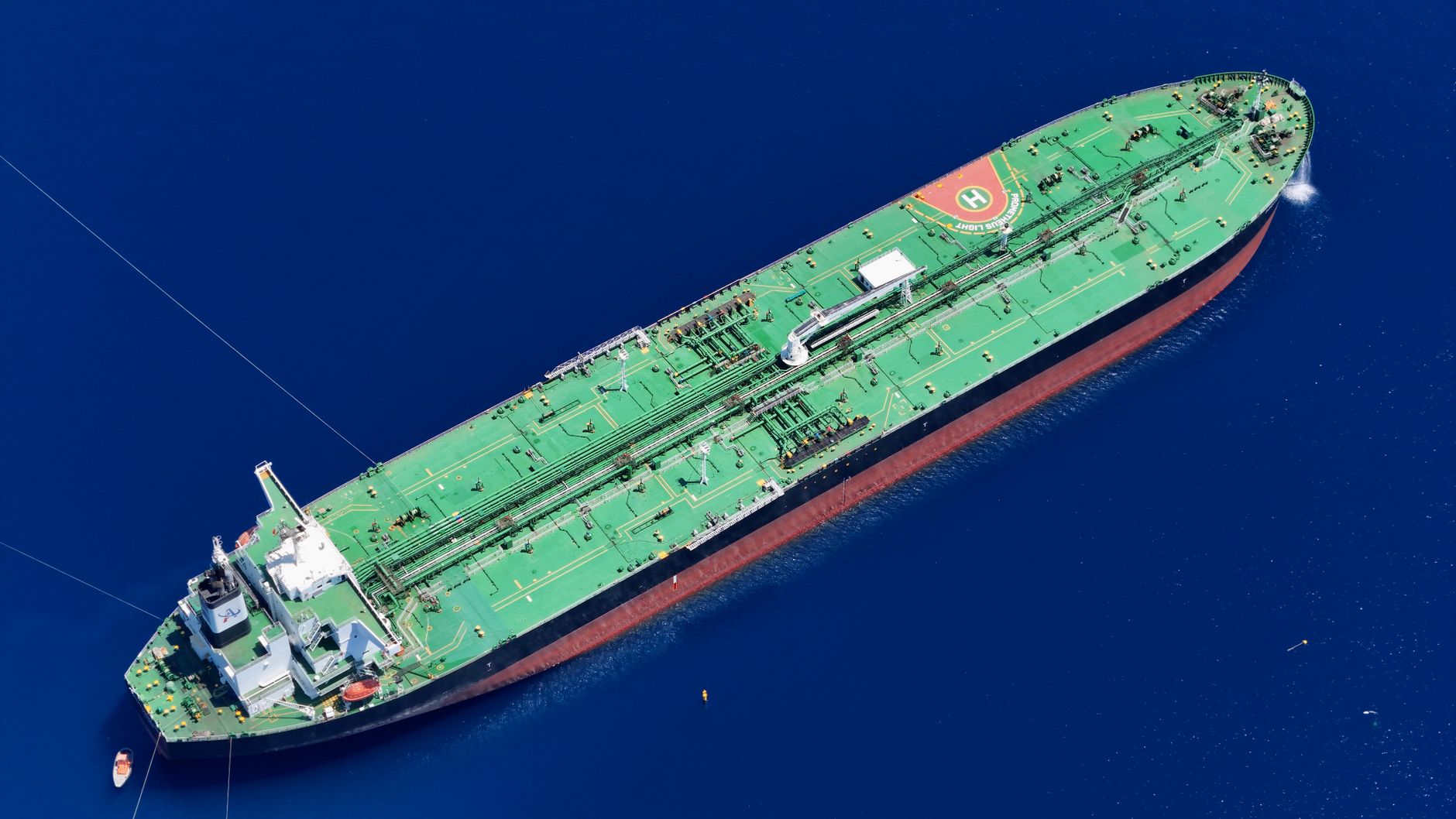
The strikes, authorized by US Central Command, responded directly to assaults on three commercial vessels traveling through the Strait of Hormuz—a narrow maritime chokepoint through which roughly 20% of the world’s oil shipments pass. Washington framed the military action as a necessary measure to impose “heavy costs” on Iran for what it described as “unwarranted” and “dangerous” aggression against innocent civilian crews on international waters.
Iranian state media confirmed that multiple sites were targeted, including Qeshm Island, Bandar Abbas, and Sirik, reporting injuries from shrapnel but no fatalities. Tehran condemned the US strikes as violations of a memorandum of understanding signed only last month, warning it would take “decisive measures” to protect its sovereignty and security interests.
The Fragile Ceasefire and Its Collapse
Just weeks prior, the US and Iran had agreed to a 14-point memorandum of understanding aimed at de-escalating hostilities. The agreement included commitments to end conflict “on all fronts,” prevent Iran from acquiring nuclear weapons, and foster economic development through a multibillion-dollar fund. It also mandated that Iran and Oman coordinate with Gulf neighbors to manage maritime security in the Strait of Hormuz.
However, the recent tanker attacks and the US retaliatory strikes illustrate how tenuous this ceasefire has become. Tehran’s move to assert control over the strait—including establishing a “Persian Gulf Strait Authority” and threatening service fees for vessel transit—has alarmed regional actors and directly challenged the principle of free navigation through this international waterway.
Regional Fallout and International Reactions
The attacks on tankers were not only a US-Iran issue but also drew sharp condemnation from Gulf states. Both Qatar and Saudi Arabia accused Iran of targeting their flagged vessels, framing the strikes as deliberate attempts to disrupt regional security and global energy stability. Qatar’s foreign ministry held Iran “fully responsible” for an attack on its tanker Al-Rekayyat, while Saudi Arabia condemned the assault on its tanker Wadyan as a threat to international navigation.
Iran rejected these accusations, accusing Qatar of undermining good neighborly relations and blaming uncoordinated vessel movements for the incidents. The UK Maritime Trade Operations (UKMTO) also reported damage and fire aboard tankers after unexplained projectiles struck their engine rooms, underscoring the heightened risks in these waters.
Sanctions and Diplomatic Tensions Deepen
Compounding the military escalation, the US Treasury revoked a waiver that had temporarily lifted sanctions on Iranian oil exports, a key component of the recent US-Iran memorandum. This move signals a hardening US stance and undermines Tehran’s hopes for economic relief and reintegration into global markets. Iran’s foreign ministry described the sanctions rollback as evidence of Washington’s “bad faith” and inconsistency, vowing to protect national interests by any means necessary.
Despite the strikes and sanctions, US officials maintain that diplomatic efforts continue behind the scenes. A senior US official, speaking anonymously, emphasized ongoing negotiations aimed at reaching a final deal that could stabilize the region and prevent further conflict.
Implications for Global Energy Security and Regional Stability
The Strait of Hormuz is a vital artery for the global energy supply chain, with disruptions having immediate ripple effects on oil prices and economic stability worldwide. Iran’s recent assertiveness in the strait, coupled with the US military response, raises the risk of prolonged instability that could escalate into open conflict.
For Gulf states, the attacks highlight vulnerabilities in maritime security and the challenge of balancing relations between Washington and Tehran. The US’s willingness to conduct strikes signals a readiness to use force to protect navigation rights, but it also risks provoking retaliatory actions that could further destabilize the region.
Looking ahead, the international community faces the urgent task of reinforcing diplomatic channels and ensuring that commercial shipping remains protected. Without renewed efforts to uphold the ceasefire and address underlying tensions, the Strait of Hormuz may become a flashpoint with far-reaching consequences for global peace and economic security.