
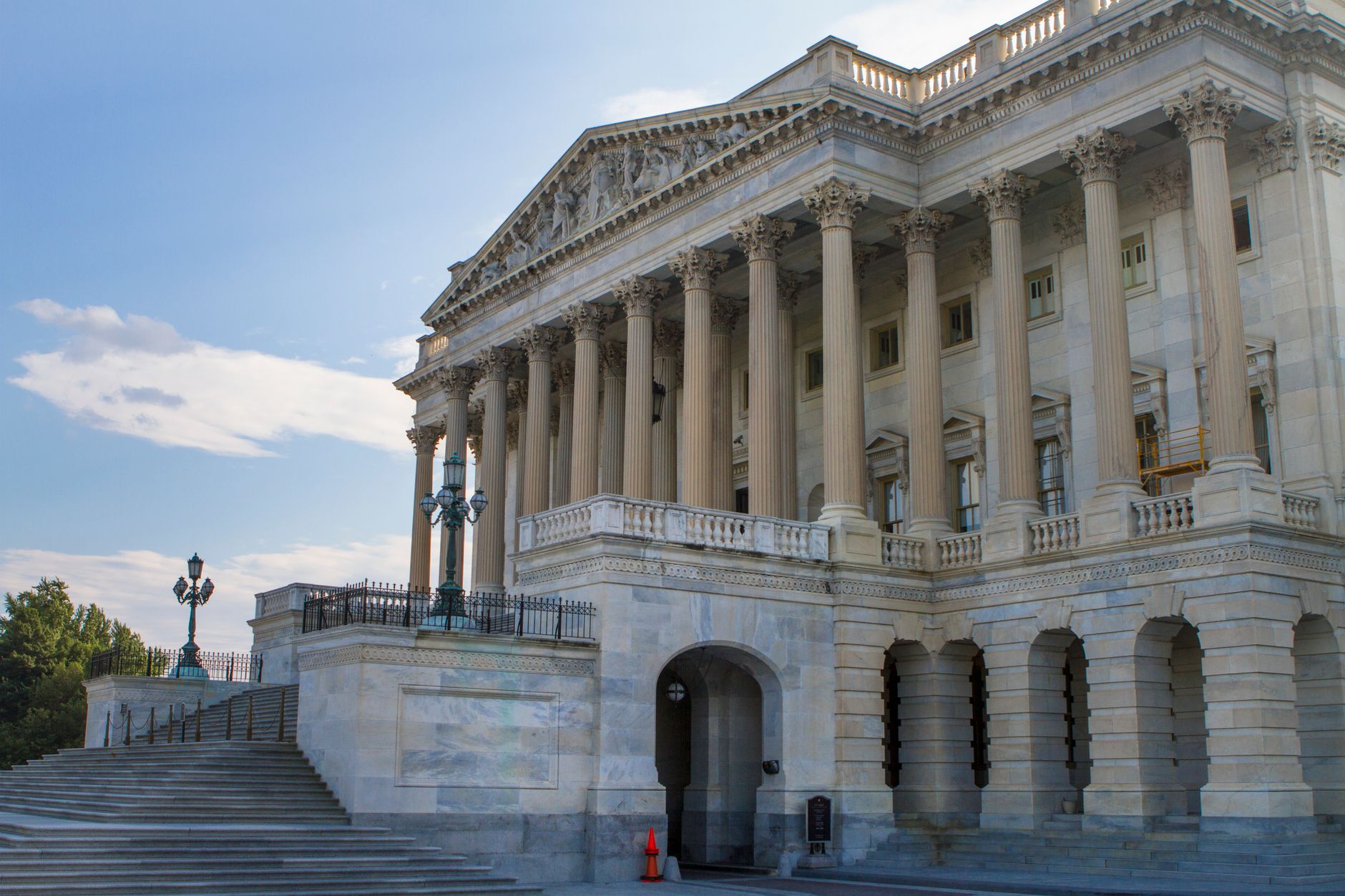
The US House of Representatives has taken a decisive step toward ending the biannual clock changes that have marked American life for over half a century. By passing the Sunshine Protection Act with a strong bipartisan majority, Congress is moving closer to establishing permanent daylight saving time (DST) across the country. This shift promises to reshape daily routines, energy consumption patterns, and even public health considerations nationwide.
From Wartime Utility to Modern Controversy
Daylight saving time’s origins trace back to World War I, when it was introduced as a wartime measure to conserve fuel by maximizing evening daylight. After being repealed post-war due to unpopularity—especially among farmers—it was reinstated during World War II and later standardized nationally in 1966. Since then, Americans have adjusted their clocks forward in spring and back in fall, a practice that has sparked increasing debate in recent years.
While originally intended to save energy and better align daylight with active hours, modern studies question the actual benefits of DST. The disruptions to sleep cycles and daily schedules have prompted many to advocate for a permanent solution, either by adopting year-round standard time or permanent daylight saving time.
What the Sunshine Protection Act Means for Americans
The legislation passed by the House would lock the US into daylight saving time year-round, effectively eliminating the need to “spring forward” and “fall back.” This means that clocks would remain set to the current DST schedule—one hour ahead of standard time—throughout the year.
Proponents argue this change would offer several advantages:
- More evening daylight year-round: Longer evenings could encourage outdoor activities, boost retail and tourism industries, and potentially reduce traffic accidents during evening rush hours.
- Elimination of disruptive clock changes: The twice-yearly time shifts have been linked to health issues such as sleep disturbances, increased heart attacks, and workplace injuries. Permanent DST would remove these abrupt transitions.
- Energy savings: Though contested, some studies suggest that extended evening daylight reduces electricity consumption for lighting and heating.
Florida lawmakers have been particularly vocal champions of the bill, with representatives emphasizing the unnecessary disruption caused by clock changes. The bipartisan support in the House reflects a growing consensus that the status quo is outdated and inconvenient.
Concerns and Opposition to Permanent Daylight Saving Time
Despite its momentum, the push for permanent DST faces notable criticism. Opponents highlight the downside of darker winter mornings, which could pose safety risks, especially for children going to school and commuters starting early shifts. The darker mornings could increase the likelihood of traffic accidents and pedestrian injuries during early hours.
Health experts also caution against permanent DST, pointing out that natural light exposure in the morning is crucial for regulating circadian rhythms. Standard time aligns better with the body’s internal clock, potentially supporting improved sleep quality and overall well-being.
Some states and territories have historically resisted DST altogether, such as Hawaii and Arizona, due to geographic and cultural reasons. This patchwork approach across the US complicates nationwide standardization and raises questions about regional preferences and impacts.
The Road Ahead: Senate and Beyond
With the House’s approval secured, the bill now awaits consideration in the Senate, where a companion measure has been introduced. If passed there and signed into law, the US would finally join a small but growing number of regions worldwide that have adopted permanent daylight saving time.
However, the transition is not guaranteed. The Senate may demand further studies or adjustments, especially concerning safety and health implications. Moreover, federal legislation would need to reconcile with states’ rights, as some states might seek exemptions or alternative arrangements.
Internationally, the US move could influence other countries debating the merits of DST. While about one-third of nations globally observe some form of daylight saving, most are in Europe, and many have recently reconsidered or abolished the practice altogether.
Implications for Daily Life and the Economy
Should permanent DST become law, Americans can expect shifts in their daily rhythms. Evening activities could flourish with extended daylight, potentially benefiting sectors like hospitality, retail, and recreation. Conversely, mornings might feel darker and colder, affecting morning commutes and school start times.
Businesses and public services would need to adjust schedules and operations to align with the new time standard. Technology systems, transportation timetables, and international coordination would also require updates to accommodate the change.
Politically, the move reflects a rare area of bipartisan agreement and demonstrates how longstanding traditions can be reconsidered in light of contemporary lifestyles and scientific understanding.
As the US edges closer to a permanent daylight saving time, the nation faces a pivotal moment in balancing convenience, health, safety, and tradition. The final outcome will shape how Americans experience their days for generations to come.
Recommended reading
For more context, see related Peack News coverage and explainers linked below.