
Western diplomats stationed in Moscow since Russia’s full-scale invasion of Ukraine have found themselves navigating an environment steeped in surveillance, suspicion, and isolation reminiscent of Cold War tensions. Interviews with former ambassadors and diplomats reveal a diplomatic landscape where trust is scarce, operational challenges abound, and the very act of maintaining dialogue has become a high-stakes endeavor.
Diplomatic Missions Under Siege: A Return to Cold War Tactics
For diplomats like Lynne Tracy, the former US ambassador to Russia, the experience of serving in Moscow from 2023 to 2025 was among the most challenging of their careers. Unlike traditional postings where engagement and cooperation are possible, the current climate in Russia has transformed embassies into fortresses under constant watch.
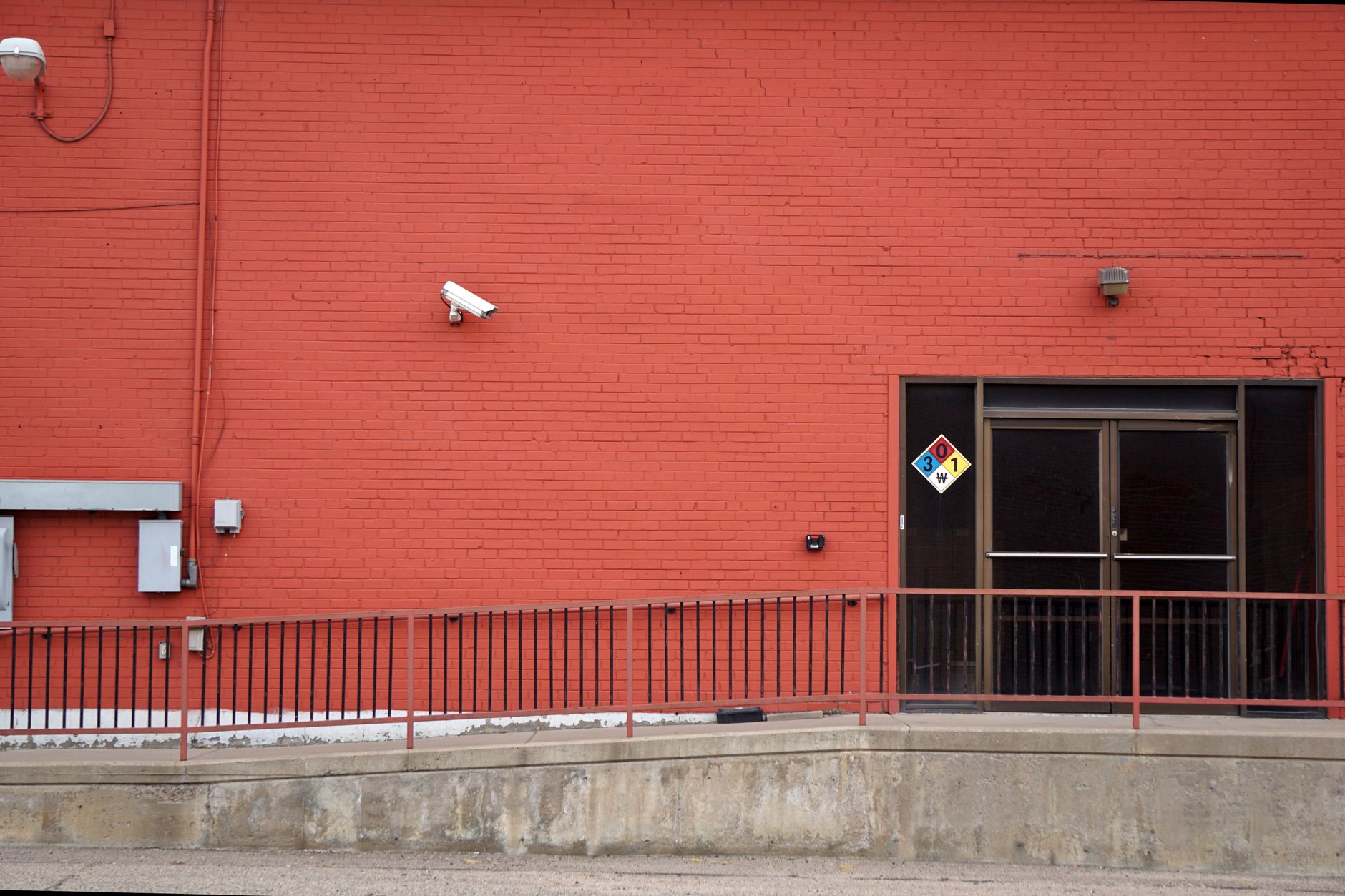
Diplomats report pervasive surveillance measures: hidden cameras and listening devices are expected in their residences and offices, echoing espionage methods from decades past. The Russian security apparatus, particularly the FSB, has actively attempted to recruit local embassy staff as informants, forcing embassies to dismiss employees under threat of prosecution. This atmosphere of paranoia has not only compromised operational security but also eroded trust between diplomats and their local contacts.
Western embassies have been drastically reduced in size after Moscow expelled hundreds of diplomats in retaliation for reciprocal expulsions in Europe and the US. This staffing shortage has hindered routine embassy functions, from maintaining facilities to basic administrative tasks, further complicating diplomatic efforts.
Isolation and Intimidation: Breaking Channels of Communication
Beyond surveillance, diplomats face social isolation. Russians who might normally engage with Western officials—academics, cultural figures, and civil society actors—are increasingly intimidated into avoiding contact. Guests attending embassy events have reported harassment by pro-Kremlin activists and questioning by police, deterring many from participating in even symbolic diplomatic gatherings.
This isolation extends to official channels. Russian authorities have effectively banned many of their officials from speaking with Western diplomats, severely limiting dialogue at ministerial or governmental levels. Such restrictions have dismantled the cooperative frameworks that once allowed for crisis management and conflict de-escalation during tense moments.
Despite these barriers, diplomats emphasize the critical importance of maintaining some level of communication. Former French ambassador Pierre Lévy noted that withdrawing ambassadors in the immediate aftermath of the invasion would have been counterproductive, as worsening relations make diplomatic presence all the more vital.
Operational Challenges Amid Sanctions and Staffing Shortages
Financial sanctions targeting Russia have created unforeseen difficulties for diplomatic missions. The exclusion of Russian banks from the SWIFT system and the withdrawal of major payment platforms like Visa and Mastercard have forced embassies to navigate cash shortages and logistical hurdles. One diplomat recounted a surreal episode where a colleague physically transported rubles in a suitcase to pay embassy staff, underscoring the practical challenges of operating in a sanctioned economy.
Compounding these issues, Russia’s 2021 ban on hiring foreign nationals has left embassies understaffed, straining their ability to maintain facilities and provide services. Even mundane problems, such as plumbing repairs, have become disproportionately time-consuming, diverting attention from diplomatic priorities.
The Human Cost: Paranoia and Psychological Pressure
The psychological toll on diplomats working in Moscow cannot be overstated. Constant monitoring, the threat of recruitment attempts, and the pervasive atmosphere of mistrust have driven some officials to resign prematurely. The sense of always being watched and the difficulty of fulfilling their duties under such scrutiny contribute to burnout and stress.
Yet, many diplomats remain committed to their roles, viewing their work as essential to preserving channels of communication and supporting citizens abroad. Lynne Tracy expressed a sense of accomplishment in having maintained the US Embassy’s presence and connections with ordinary Russians, believing that people-to-people ties will be crucial when government relations eventually improve.
Looking Ahead: Diplomacy in a New Era of Hostility
The current state of Western diplomacy in Moscow reflects a broader geopolitical rupture. The war in Ukraine has not only redrawn battle lines but also reshaped the contours of international engagement. The Cold War analogy is apt: embassies have become intelligence targets, trust is minimal, and dialogue is fraught with suspicion.
However, the persistence of diplomats in maintaining their posts and continuing dialogue—even under difficult conditions—suggests a recognition that diplomacy remains indispensable. In a conflict marked by military confrontation and propaganda, these fragile diplomatic links may provide the only pathways toward eventual de-escalation and reconciliation.
As the conflict grinds into its fifth year, the experiences of diplomats in Moscow serve as a stark reminder of how war reshapes not just battlefields but the very institutions designed to prevent conflict. The resilience and adaptability of diplomatic missions will be tested as long as the war endures, underscoring the enduring importance of diplomacy even in the darkest hours.
Recommended reading
For more context, see related Peack News coverage and explainers linked below.