
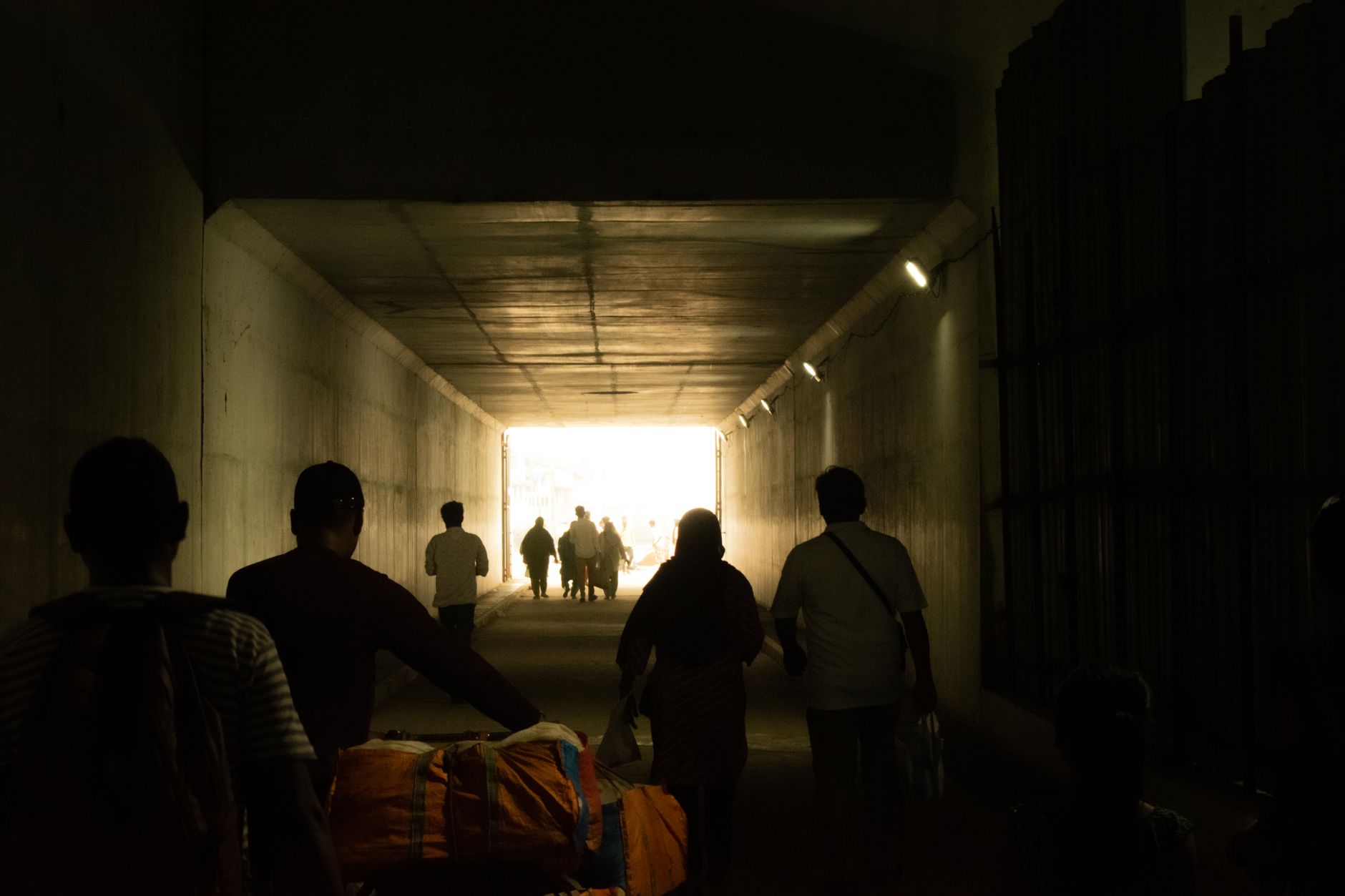
The Spanish enclave of Ceuta, perched on the northern coast of Africa, has witnessed an extraordinary influx of migrants from Morocco, with estimates suggesting around 60,000 crossed into the territory in a short span. This sudden surge has not only overwhelmed local authorities but also resulted in tragic loss of life, as dozens perished attempting the perilous journey. Understanding the factors behind this unprecedented movement sheds light on broader regional dynamics and the complex interplay between migration, diplomacy, and human desperation.
Diplomatic Tensions Between Spain and Morocco Spark the Crisis
The dramatic increase in migrant crossings into Ceuta cannot be viewed in isolation from the recent diplomatic strains between Spain and Morocco. Relations between the two countries have been tense, particularly after Spain provided medical treatment to a prominent Sahrawi independence leader, a move that angered Rabat. In response, Morocco appeared to relax its border controls, effectively allowing or even encouraging a large number of migrants to head towards Ceuta.
This strategic decision by Moroccan authorities seems to have been a form of political leverage, using migration flows as a pressure tool against Spain. The sudden policy shift caught Spanish and European authorities off guard, exposing vulnerabilities in border management and highlighting the precarious nature of cooperation between the two neighbors.
The Human Cost Behind the Numbers
Behind the staggering figures lie countless individual stories of hardship and risk. Many migrants undertaking the journey are fleeing poverty, unemployment, and political instability in Morocco and other parts of sub-Saharan Africa. The route to Ceuta, while shorter than crossing the Mediterranean to mainland Europe, is fraught with danger.
Dozens of migrants have lost their lives attempting to cross into Ceuta, often by swimming across the border fences or navigating treacherous waters. The enclave’s unique geography—a small territory surrounded by Morocco and the sea—makes it a hazardous gateway. Overcrowding, exhaustion, and exposure to harsh conditions have compounded the tragedy.
Moreover, the sudden influx has strained Ceuta’s limited infrastructure and services. With a population of just 83,000, the arrival of tens of thousands of migrants in a matter of days has overwhelmed local authorities, healthcare, and humanitarian organizations, creating an urgent need for coordinated response efforts.
What the Surge Means for European Migration Policy
The Ceuta crisis underscores the fragility of current European migration frameworks, especially those relying heavily on cooperation with transit countries like Morocco. When diplomatic relations sour, migration flows can become a bargaining chip, destabilizing border regions and challenging the European Union’s ability to manage migration effectively.
This event has reignited debates across Europe about border security, humanitarian obligations, and the politics of migration. Some argue for stronger external border controls and increased funding for border agencies, while others emphasize the need for addressing root causes of migration through development aid and diplomatic engagement.
Additionally, the rapid voluntary return of over 48,000 migrants to Morocco within 24 hours suggests that bilateral agreements and swift negotiations can mitigate crises, but also points to the precarious position of migrants caught in geopolitical disputes.
Looking Ahead: Challenges and Responses
As the immediate crisis in Ceuta begins to subside, attention turns to longer-term solutions. Spain and Morocco are likely to seek renewed dialogue to prevent future escalations, but the underlying issues driving migration remain unresolved.
For migrants, the journey to Europe remains fraught with uncertainty and risk. The Ceuta surge highlights the need for comprehensive policies that balance border security with human rights and international cooperation. It also calls for increased investment in regional stability and economic opportunities in countries of origin to reduce the desperation that fuels such dangerous crossings.
Ultimately, the Ceuta episode serves as a stark reminder that migration is not merely a border management issue but a complex socio-political phenomenon intertwined with diplomacy, human rights, and global inequality.
Recommended reading
For more context, see related Peack News coverage and explainers linked below.