
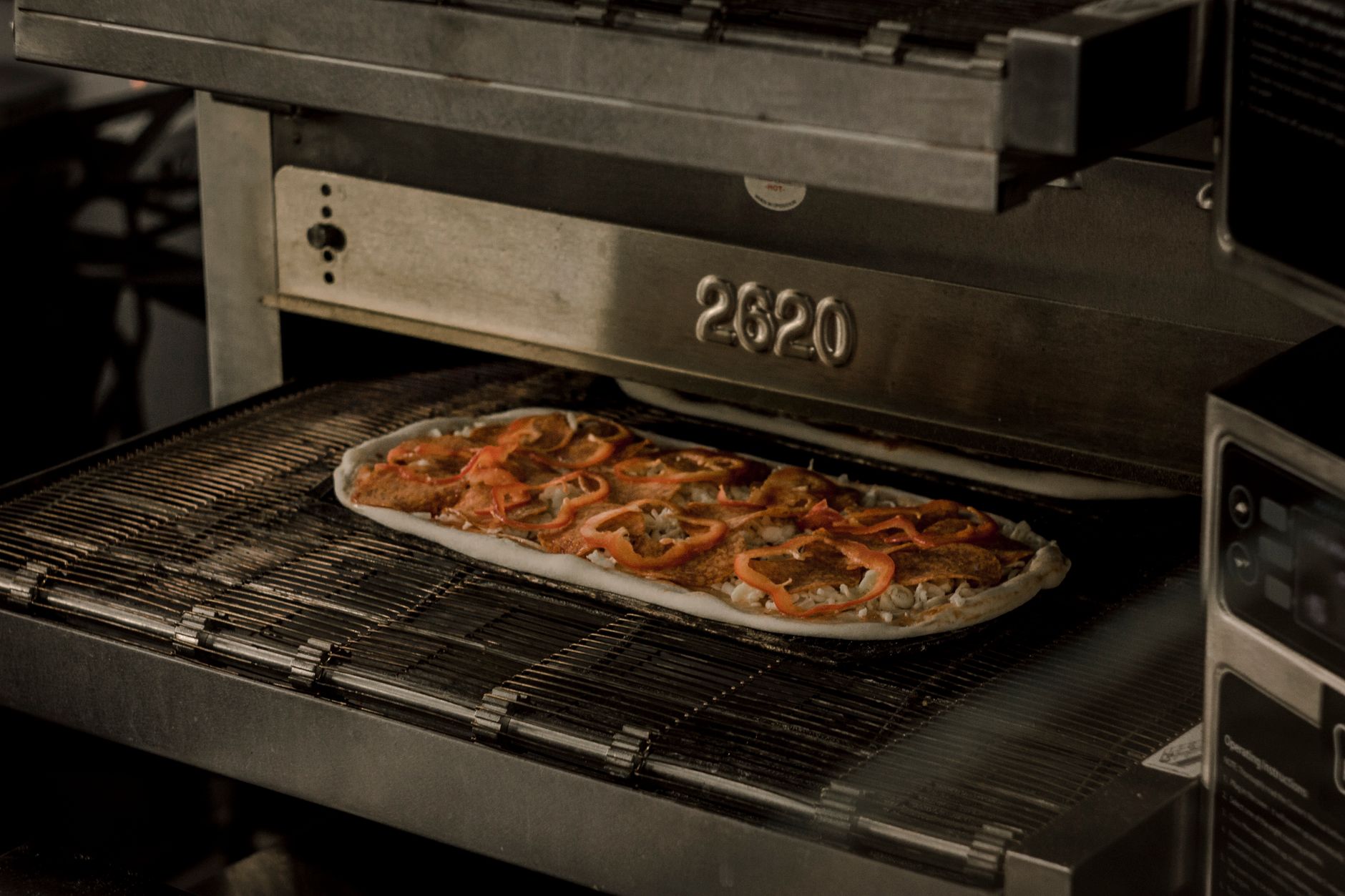
Robotic pizza makers promised a futuristic revolution in fast food, but the reality has been far less appetizing. Despite significant investments and technological hype, automated pizza production has struggled to gain traction, leaving many operators and investors skeptical about the viability of these machines. The challenges faced by robotic pizza makers highlight the complex interplay between technology, consumer expectations, and the economics of food service.
High Costs and Technical Failures Undermine Early Efforts
One of the most visible setbacks in robotic pizza making came from companies like Picnic, whose machines were deployed in locations such as Moto Pizza in Seattle. These cabinet-sized robots, costing upwards of $160,000, were designed to handle dough feeding, sauce spreading, cheese sprinkling, and topping placement. However, when Picnic abruptly shut down, technical support vanished, leaving restaurant operators stranded with expensive equipment that quickly became “basically useless.”
Similar stories have emerged from other ventures like Zume, Pazzi, and Basil Street, all of which aimed to automate pizza assembly but ultimately failed to sustain operations. These companies often struggled with clunky machinery that was prone to errors—dropping ingredients incorrectly or slowing down production—and high maintenance costs that undercut their financial viability.
The Human Factor: Why Pizza Making Resists Automation
At first glance, pizza production seems an ideal candidate for automation: repetitive, standardized, and high-volume. Yet the reality is more nuanced. Experienced human workers excel at the task, balancing speed with quality and adapting on the fly to variations in dough texture or customer requests. This flexibility remains difficult for robots to replicate.
Furthermore, pizza restaurants often emphasize the personal touch and artisanal appeal of their products. Many customers value the human connection in food preparation, associating hand-crafted pizza with authenticity and care. This cultural preference challenges the widespread acceptance of fully automated pizza production, especially in establishments that prioritize dining experience over sheer throughput.
Speed Versus Quality: The Race to Perfect Automation
Despite these hurdles, some companies continue to push the boundaries of robotic pizza making, focusing on speed and consistency. For example, Canadian firm Appetronix installed a robotic pizza unit at John Glenn Columbus International Airport, aiming to deliver pizzas around the clock with minimal human intervention. Their goal is to produce a pizza every minute by drastically reducing the time it takes to spread sauce and slice pies, experimenting with innovations like high-speed sauce dispensers and laser slicing.
However, this focus on efficiency raises questions about the trade-offs between rapid production and the sensory qualities that make pizza enjoyable. Can a machine replicate the nuanced flavor and texture that come from human judgment? Or will robotic pizzas be perceived as uniform but uninspired?
Employment Concerns and the Future of Work in Pizza Kitchens
Automation inevitably stirs debate about job displacement. Yet some restaurant owners, like Lee Kindell of Moto Pizza, argue that robots can complement rather than replace workers. When using robots at a stadium venue, Kindell found that fewer staff were needed for pizza assembly, but more employees could focus on customer interaction and marketing, enhancing the overall service experience.
This model suggests a hybrid future where robots handle repetitive tasks while humans engage in roles requiring empathy, creativity, and problem-solving. Nonetheless, the hospitality industry must carefully navigate these changes to avoid alienating workers and customers alike.
Lessons Learned and the Road Ahead for Robotic Pizza Makers
Although many early ventures have faltered, their efforts were not in vain. The intellectual property and data generated have been absorbed by other companies, such as Miso Robotics, which acquired over 300 patents from the defunct Zume. Miso is leveraging this knowledge to enhance its existing food automation products, indicating that the technology’s maturation may take longer than initially expected.
Industry analysts acknowledge that the market and consumer readiness have not yet aligned with the capabilities of current pizza robots. Yet the persistent efforts by entrepreneurs and engineers suggest that fully autonomous pizza robots are an eventuality. The critical question remains: who will succeed in creating a reliable, cost-effective, and customer-accepted robotic pizza maker first?
In the meantime, the pizza industry continues to balance tradition and innovation, with many establishments opting to preserve the human touch while cautiously exploring automation’s potential. The dream of a robotic pizza revolution may be delayed, but it is far from extinguished.
Recommended reading
For more context, see related Peack News coverage and explainers linked below.