
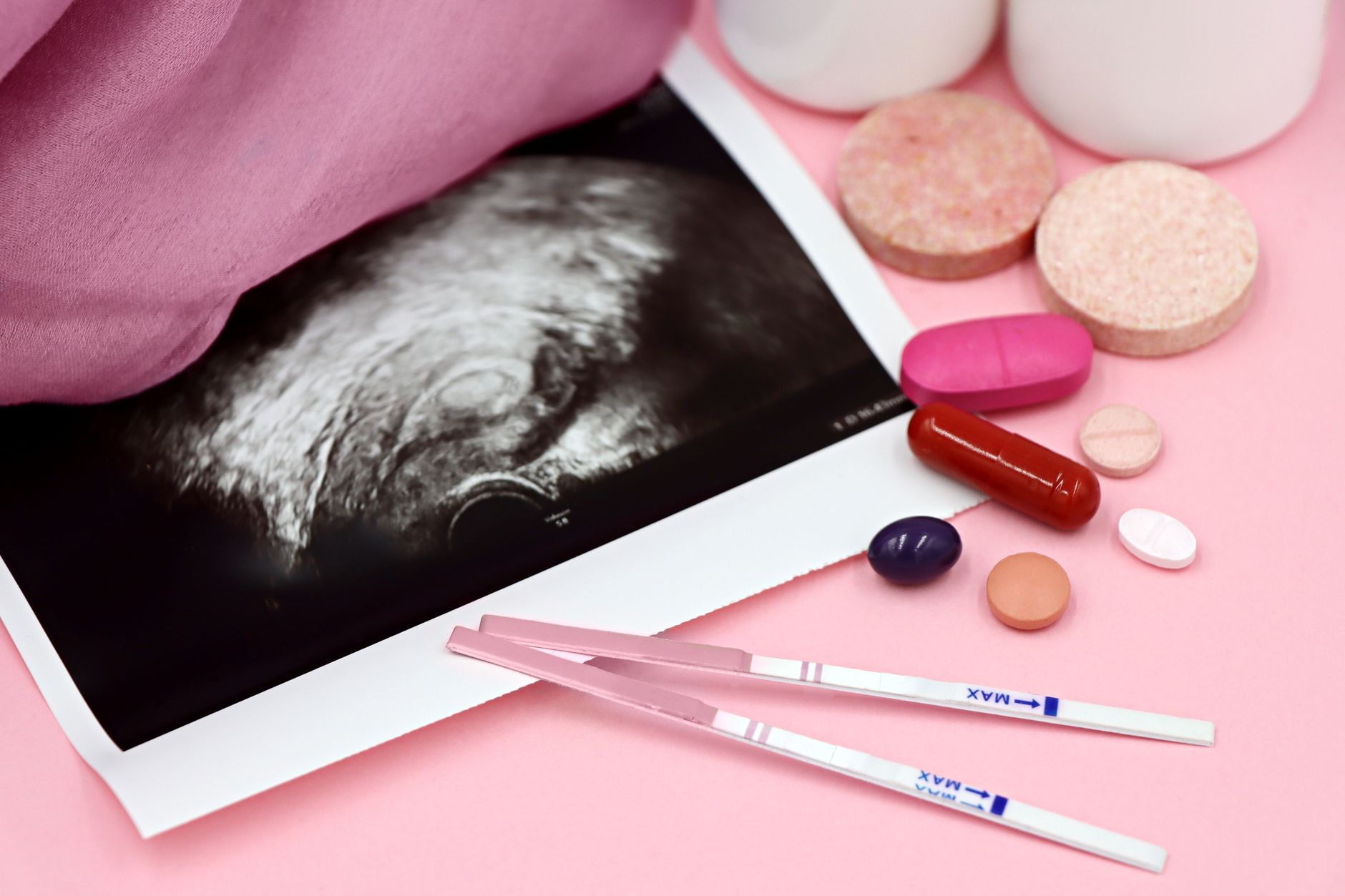
New research reveals that women over 49 face significant fertility challenges even when using young donor eggs, challenging the long-held belief that donor eggs can fully reverse the effects of reproductive aging. The study, which analyzed nearly 1,800 women undergoing IVF with donor eggs, found that pregnancy rates decline and miscarriage risks increase markedly after this age, suggesting that factors beyond egg quality—specifically age-related changes in the womb lining—play a crucial role in fertility outcomes.
Beyond the Egg: The Overlooked Role of the Uterus in Fertility
For decades, the prevailing understanding in reproductive medicine has been that a woman’s age-related fertility decline is primarily due to the quality and quantity of her eggs. This assumption underpinned the widespread use of donor eggs from younger women as a way to “reset” the reproductive clock. However, the latest findings suggest this approach only tells part of the story.
Researchers observed that while the thickness of the endometrium—the lining of the womb where embryos implant—remained similar across age groups, its functional quality deteriorated with age. This decline in uterine receptivity appears to contribute substantially to the reduced success rates of IVF treatments in older women, even when donor eggs are used.
Dr. Beatrice Crestani, who led the study at an Italian assisted reproduction institute, emphasized that reproductive aging extends beyond the ovaries. “Our findings suggest the picture is more complex,” she noted, highlighting the need to consider uterine health as a key factor influencing fertility in older women.
Statistical Insights: The Age Threshold Around 49
The study’s data paints a stark picture of fertility trends as women age. Women aged 35 to 40 had a 54% chance of pregnancy with donor eggs and IVF, compared to just 43% for those aged 49 and above. Live birth rates dropped from 46% to 32%, while miscarriage rates rose sharply from 24% to 38% in the older group.
These statistics underscore a significant shift around the age of 49, marking a threshold where uterine aging begins to noticeably impair reproductive outcomes. Importantly, while success rates diminish, they do not vanish entirely—live birth rates among women over 49 who transferred all available embryos still reached 62.5%, indicating meaningful chances remain for those pursuing treatment.
The Human Side: IVF Struggles Beyond the Numbers
The emotional and physical toll of IVF in later life is vividly illustrated by the experience of Sharon Marshall, a TV soap expert who had her daughter at 46 after six years of IVF attempts. Her journey was fraught with repeated losses and profound anxiety, highlighting the often unseen struggles behind celebrated late-age pregnancies.
Marshall’s story echoes a broader reality for many women: while media stories often spotlight successful late pregnancies, they rarely reveal the exhausting, sometimes heartbreaking process that precedes them. Her candid reflections call for greater honesty about the difficulties older women face when trying to conceive, even with advanced fertility treatments.
Implications for Fertility Treatment and Future Research
These findings have important implications for fertility clinics, patients, and policymakers. In the UK, there is no legal upper age limit for IVF, unlike some European countries such as Greece, which caps treatment at 54. However, guidelines recommend limited IVF cycles for women over 40, reflecting the biological realities of reproductive aging.
Experts stress the importance of comprehensive counseling for older women considering donor egg IVF, ensuring they understand that while donor eggs improve chances, they do not eliminate all age-related fertility barriers. Thorough health assessments and risk evaluations are crucial given the increased pregnancy risks in advanced maternal age.
Looking ahead, the study opens new avenues for research aimed at understanding and potentially reversing uterine aging. Identifying biomarkers of uterine health and developing treatments to improve the womb’s receptivity could transform fertility care for older women, expanding their reproductive options beyond current limitations.
Conclusion
This study challenges the simplistic notion that donor eggs alone can fully counteract the effects of reproductive aging. It highlights the womb lining’s critical, yet underappreciated, role in fertility and miscarriage risk among older women. While donor egg IVF remains a valuable tool, the research underscores the need for a more nuanced approach to fertility treatment that addresses both egg and uterine health. For many women, this could mean new hope through future therapies targeting the aging womb, but for now, it calls for realistic expectations and compassionate support during their fertility journeys.
Recommended reading
For more context, see related Peack News coverage and explainers linked below.