
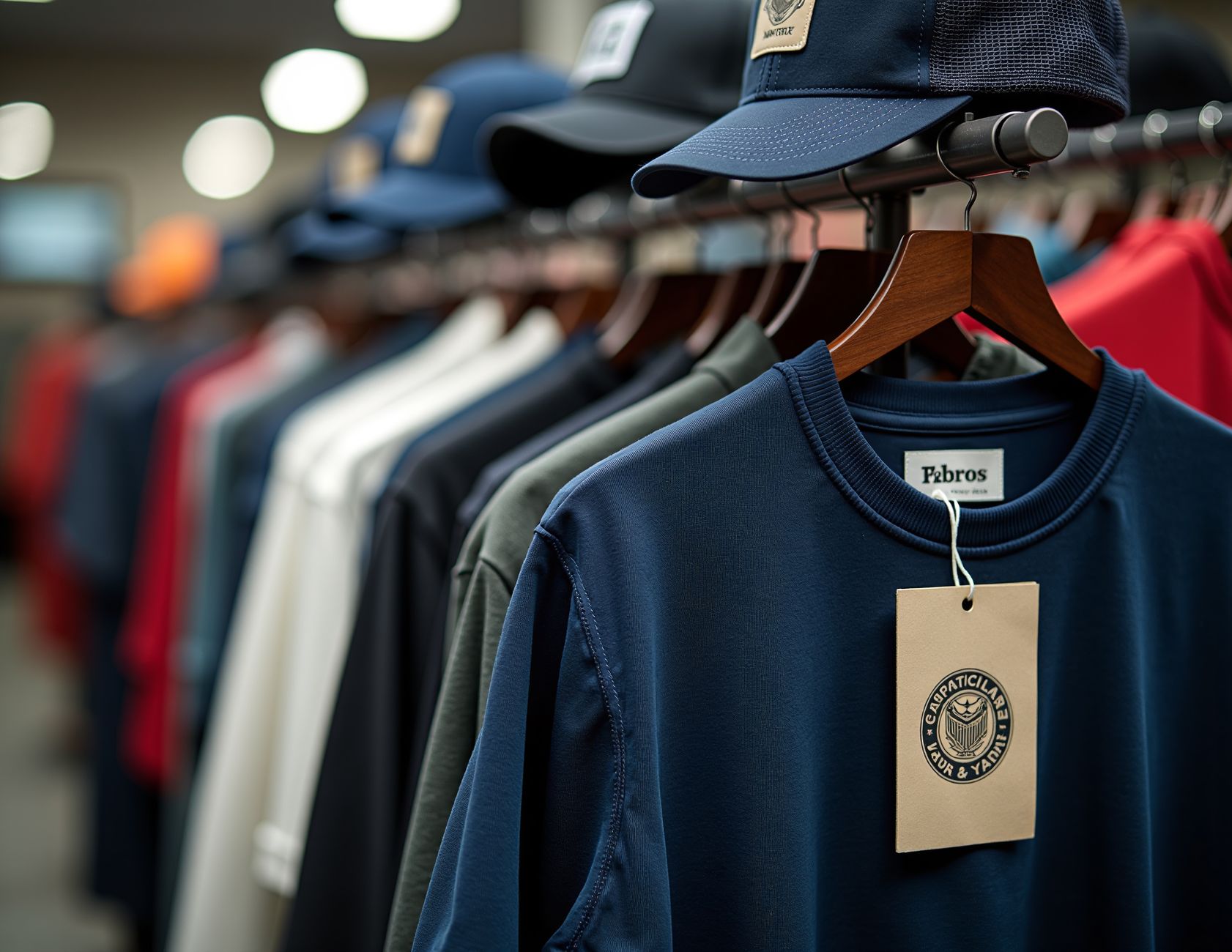
In an unexpected fusion of technology and fashion, some of the world’s leading tech companies are now launching limited-edition apparel lines, turning their brand identities into wearable statements. Nvidia, OpenAI, Anthropic, and even defense contractors like Palantir and Anduril have ventured into the clothing market—not primarily for profit, but to cultivate community, brand loyalty, and cultural influence. This trend reveals how tech firms are evolving beyond their traditional roles, tapping into the symbolic power of fashion to connect with customers, employees, and enthusiasts on a more personal level.
Tech Giants Transforming Fans into Brand Ambassadors
Nvidia’s exclusive merchandise, including a $178 wool jumper emblazoned with a caricature of CEO Jensen Huang, exemplifies this new phenomenon. Unlike standard corporate swag, these items are scarce, often sold only at pop-up events or through limited online “drops,” creating a buzz akin to streetwear hype culture. Fans like Natalie Fratto, a tech startup founder in New York, wear these pieces as badges of identity, comparable to sports jerseys. This apparel becomes a way to publicly display allegiance to a company’s vision and achievements, especially in the booming AI sector where Nvidia’s chips power much of the innovation.
Similarly, OpenAI and Anthropic have experimented with branded merchandise that is both exclusive and symbolic. OpenAI’s releases are usually employee-only but occasionally open to the public, while Anthropic’s “thinking” baseball hats were distributed at a pop-up coffee shop event in Manhattan. These limited runs heighten desirability and foster a sense of belonging among supporters, turning tech brands into lifestyle symbols rather than mere service providers.
From Software to Lifestyle: The Strategic Shift
While it may seem unusual for companies known for cutting-edge technology to sell clothing, the move is strategic rather than commercial. These firms do not need the additional revenue streams; instead, they aim to shape their public image and deepen emotional connections with their audiences. Palantir Technologies, known for its controversial work with military and law enforcement agencies, has embraced this approach by branding itself as a “lifestyle brand.” Its clothing line, which includes cotton jackets and hoodies, is designed to appeal to a broad community that identifies with Palantir’s mission, despite the debates around its ethics.
The apparel serves as a form of soft power, helping companies manage reputations and spark conversations beyond the usual tech discourse. For Palantir, the merchandise has attracted buyers worldwide, some drawn by the controversy itself, others by the company’s bold stance. This phenomenon reflects a broader trend where corporate identity extends into cultural and social spheres, with clothing acting as a tangible expression of values and affiliations.
Political Messaging and Identity in Tech Apparel
Not all tech-branded clothing stays neutral. Defense firm Anduril offers apparel with overt political messaging, such as hoodies emblazoned with “Rebuild the Arsenal,” signaling support for increased U.S. defense spending and manufacturing. Buyers like Jonathan Sargent appreciate these items because they represent companies with visible and tangible impacts on infrastructure, security, and technology, contrasting with mainstream fashion brands that often feel disconnected from concrete causes.
These garments function as identity markers for consumers who want to align themselves with specific ideologies or missions. The apparel’s messaging can provoke debate and foster community, illustrating how tech companies are not just selling products but narratives and worldviews. This shift challenges traditional notions of corporate branding, blending commerce, culture, and politics in new ways.
The Cult of Tech Leadership and Symbolic Apparel
One intriguing aspect of this trend is the elevation of tech CEOs to near-celebrity status, influencing merchandise appeal. Jensen Huang of Nvidia, known for his signature leather jacket and charismatic presence, has become a cult figure among tech enthusiasts. His image on Nvidia apparel is not just branding—it’s a symbol of visionary leadership and innovation. Meta’s Mark Zuckerberg even likened Huang to “Taylor Swift, but for tech,” highlighting the star power some tech leaders wield.
Experts suggest that wearing tech-branded clothing is akin to joining a “prophetic elite,” a way for insiders and fans alike to express belonging to a community that sees itself at the forefront of shaping the future. This phenomenon resonates particularly in Silicon Valley, where identity, purpose, and community are highly sought after. The garments become more than fashion—they are badges of cultural affiliation and aspirational identity.
What Tech Apparel Reveals About Modern Consumer Culture
The rise of tech-branded clothing underscores how apparel choices have become deeply symbolic. Every thread, logo, and slogan signals cultural and ideological positions. Fashion is no longer just about style or utility; it’s a language through which people communicate their values, beliefs, and social connections.
While some may see tech merch as a quirky trend or a form of corporate marketing, it also reflects a broader shift in how companies engage with their audiences. In an era where brand loyalty is fiercely competed for, tech firms are harnessing the emotional power of fashion to build communities and shape narratives.
Whether you would buy a hoodie from an AI company or a jacket from a defense contractor may depend on your personal values and interests. But there is no denying that these garments represent a new frontier in branding—one where technology, culture, and identity intersect in unexpected ways.
Recommended reading
For more context, see related Peack News coverage and explainers linked below.
- LimiX-2 Advances AI Understanding of Complex Data with New Contextual Learning Approach
- Verifying How AI Assistants Understand Social Situations Using Simulated Conversations
- Layer-Wise Compression Technique Boosts Efficiency in Neural Audio Codecs
- Explainer: Complete Guide to AI Regulation
- Explainer: Global AI Companies Landscape