
How to Respond to My Friends When They Criticize Their Own Weight and Looks
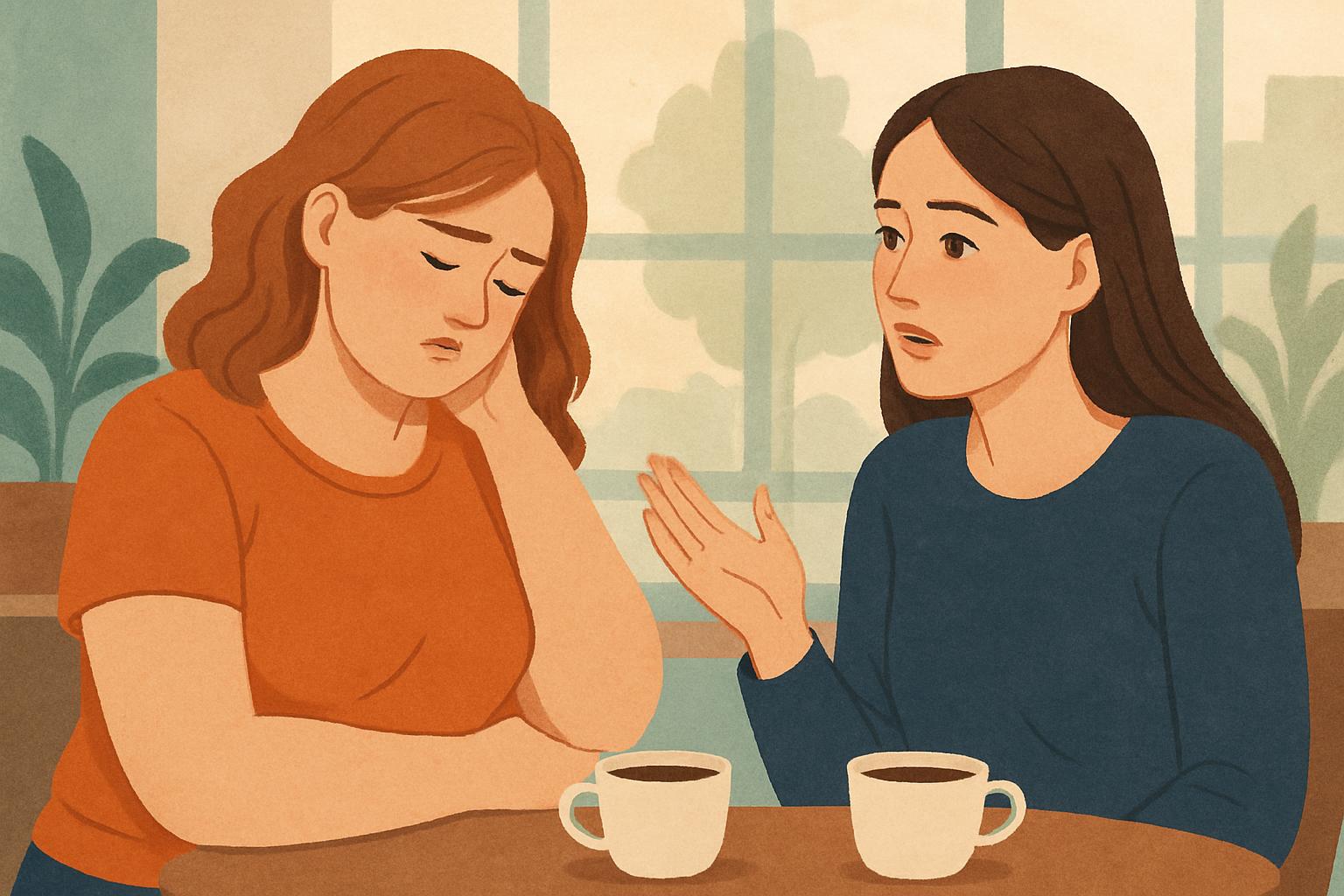
Negative comments about bodies and appearances are common in society and can create challenging conversations with friends. When my friends when they criticize their weight, skin, or facial features, it can be difficult to know how to respond in a supportive yet honest way.
Understanding the Complexity of Beauty Talk
Many people express dissatisfaction with their appearance due to societal pressures and beauty standards. For example, a friend might frequently complain about her weight, or another might talk about needing cosmetic procedures like Botox. Responding with simple reassurances such as “You’re beautiful!” can feel shallow and may unintentionally reinforce the idea that individual beauty is the solution to insecurity.
On the other hand, directly challenging these beauty standards during such moments can feel preachy or judgmental, which might not be well received. Contemporary beauty culture often discourages criticism and demands disclaimers like “No judgment, though!” to avoid offending others.
Effective Ways to Engage with Friends About Appearance Concerns
- Listen Without Judgment: Allow your friends to express their feelings without immediately offering compliments or critiques. This can help them feel heard and supported.
- Encourage Broader Conversations: Instead of focusing on individual insecurities, try to have more frequent discussions about the beauty industry, societal pressures, and unrealistic standards. This can help externalize the problem rather than internalize it.
- Share Personal Experiences: Talking about your own moments of dissatisfaction and how you cope can create a sense of solidarity. For example, mentioning a time you felt self-conscious and how you managed it can be comforting.
- Set Boundaries When Needed: If conversations about appearance become triggering or uncomfortable for you, it is valid to express that and set limits on such discussions.
- Shift the Focus to Politics and Systems: When appropriate, ask questions that challenge the importance placed on appearance, such as why it matters so much or whether changes in looks would affect how people are treated.
The Impact of Appearance Talk on Well-being
Appearance-related conversations are not harmless social bonding; research shows they can increase body dissatisfaction and anxiety, potentially leading to harmful behaviors related to diet and beauty. By shifting the focus from individual bodies to the societal systems that create these pressures, friends can support each other in resisting harmful beauty norms.
While not every friend may want to engage in deep discussions about the beauty industry, even small steps like sharing critical media or gently questioning beauty standards can help reduce the shame and anxiety associated with appearance.
Ultimately, responding thoughtfully when my friends when they criticize their own weight and looks involves balancing empathy, honesty, and awareness of the broader cultural forces at play.