
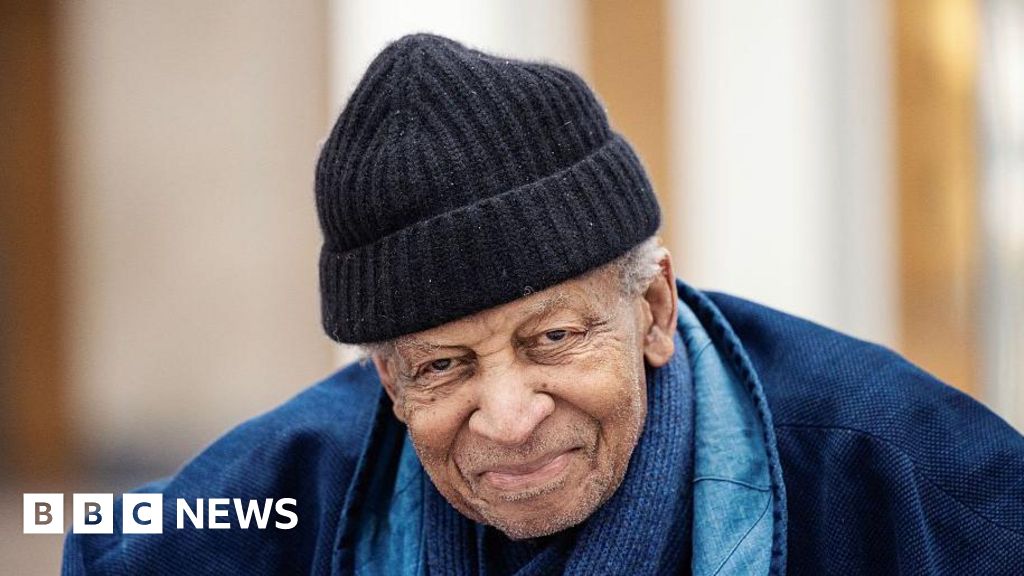
Abdullah Ibrahim, a towering figure in South African jazz whose music became a soundtrack to the anti-apartheid struggle, has died at the age of 91. His passing marks the end of an era for a genre he helped shape over an extraordinary eight-decade career. Ibrahim’s artistry was deeply intertwined with the political and cultural history of South Africa, making him not only a musical pioneer but also a symbol of resilience and hope for generations.
Why this matters
Abdullah Ibrahim’s death is a profound loss not just for South Africa but for the global music community. His work transcended mere entertainment; it was a form of cultural resistance against apartheid’s brutal segregationist regime. Jazz, under his influence, became a vehicle for expressing the complexities of South African identity and the yearning for freedom. Ibrahim’s compositions, particularly the iconic Mannenberg, resonated far beyond concert halls, becoming anthems of defiance and unity during one of the darkest chapters in South African history.
Moreover, Ibrahim’s legacy illustrates how music can serve as a bridge between cultures and generations. His fusion of traditional African melodies with jazz improvisation created a unique sound that influenced countless musicians worldwide. His death invites reflection on the enduring power of art to challenge injustice and inspire social change.
From Cape Town to the World Stage
Born Adolph Johannes Brand in Cape Town in 1934, Ibrahim’s musical journey began early, composing at the piano by age seven. His early years were shaped by the vibrant yet racially divided cultural landscape of South Africa. As a young musician, he played in various ensembles, including the Jazz Epistles, a groundbreaking sextet that featured other jazz luminaries such as Hugh Masekela.
The rise of apartheid in 1948 imposed harsh restrictions on non-white South Africans, including artists. Jazz, with its inherent spirit of improvisation and racial integration, was viewed with suspicion by the regime. This hostile environment forced Ibrahim to leave South Africa, eventually settling in Europe. His relocation was not just a physical move but a creative one, as he absorbed new influences while maintaining a deep connection to his roots.
Musical Innovation and Political Expression
Ibrahim’s music is characterized by a distinctive blend of South African folk traditions and the improvisational freedom of jazz. This synthesis is evident in his best-known work, Mannenberg, recorded in 1974. The track’s infectious groove and soulful melodies became synonymous with the anti-apartheid movement, embodying the spirit of resistance and hope.
His adoption of the name Abdullah Ibrahim after converting to Islam in the late 1960s also signaled a personal and artistic transformation, reflecting a broader search for identity and belonging. Throughout his career, Ibrahim’s compositions paid homage to his homeland’s struggles and aspirations, making his music a form of storytelling that preserved South African history and culture.
A Lifelong Commitment to South Africa
Despite decades abroad, Ibrahim never severed his ties to South Africa. He frequently returned to perform and record, bringing his global experiences back to local audiences. His final public appearance at the Cape Town International Jazz Festival less than three months ago was a poignant reminder of his enduring influence and vitality.
His family’s statement emphasized his peaceful passing in Germany, surrounded by loved ones, and his partner highlighted his unwavering love for South Africa. President Cyril Ramaphosa’s tribute underscored Ibrahim’s role not only as a musical genius but also as a political figure whose art honored the country’s complex history.
The Enduring Legacy of Abdullah Ibrahim
Abdullah Ibrahim’s death invites a renewed appreciation for the power of music as a form of political and cultural expression. His ability to weave the sounds of South Africa into jazz’s global tapestry created a new genre that remains influential today. For young musicians and activists alike, his life exemplifies how art can both reflect and shape social realities.
As South Africa continues to grapple with the legacies of apartheid, Ibrahim’s music stands as a testament to the resilience and creativity of its people. His compositions will continue to inspire, reminding us that even in the face of oppression, the human spirit can find profound ways to communicate, resist, and heal.