
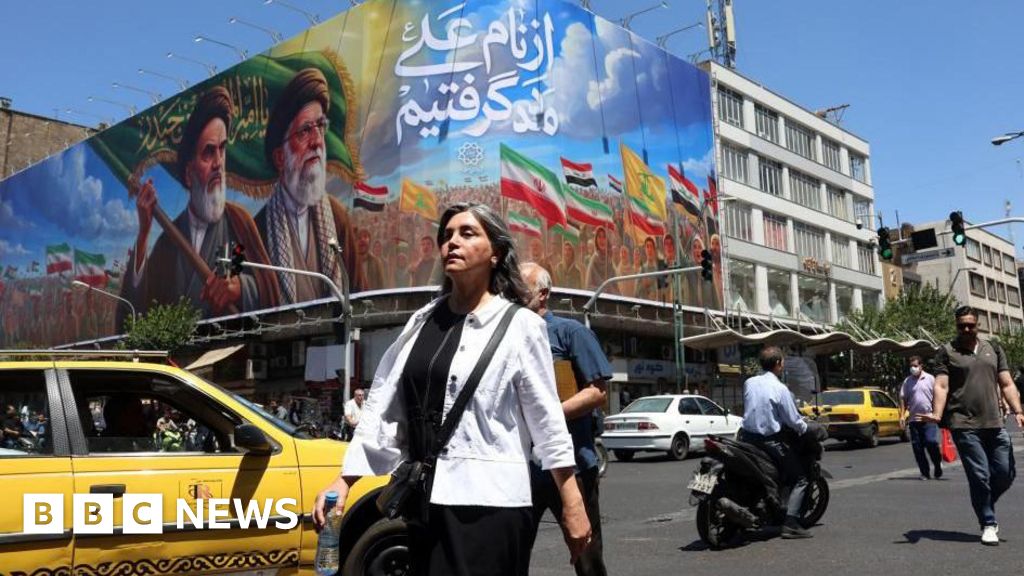
The recent memorandum of understanding to end hostilities and reopen the Strait of Hormuz marks a significant turning point in the fraught relationship between the United States and Iran. This deal effectively halts a brutal conflict triggered under the Trump administration, revealing the limitations of American military power and reshaping geopolitical dynamics in the Middle East. While it stops short of a comprehensive peace agreement, the ceasefire and reopening of this vital waterway bring immediate relief to a region and a global economy strained by violence and uncertainty.
Why this matters
The Iran conflict that erupted in late February under President Donald Trump’s directive was one of the most consequential foreign policy failures of his tenure. It began with an aggressive strike that killed Iran’s Supreme Leader Ayatollah Ali Khamenei and key advisers, sparking retaliatory attacks and a cycle of violence that claimed thousands of lives. The war exposed the limits of U.S. military might, as Iranian forces demonstrated resilience and tactical sophistication that defied American and Israeli expectations.
The ceasefire agreement underscores a sobering reality: the United States can no longer unilaterally impose its will in the Middle East without significant pushback and unintended consequences. The conflict strained relationships with Gulf Arab monarchies, traditionally American allies, who now quietly seek to diversify their partnerships and accept coexistence with Iran. For the global economy, the reopening of the Strait of Hormuz is crucial, as this narrow passage handles around 20% of the world’s oil and gas shipments. Its closure had threatened to disrupt supply chains and exacerbate food insecurity, particularly in vulnerable regions of Africa.
The strategic miscalculations of the Trump era
Trump’s decision to launch a swift and decisive war against Iran was premised on a flawed assessment of Tehran’s strength and the anticipated ease of regime change. The initial strikes, including the devastating American attack on a school in Minab that killed over 150 civilians, were intended to cripple Iran’s leadership and military capabilities. Instead, they galvanized the Iranian regime and its supporters, consolidating power under a younger, more ideologically driven generation of commanders within the Islamic Revolutionary Guards Corps.
This hardline faction adopted a more aggressive posture, escalating attacks on U.S. bases, Gulf neighbors, and Israel, and threatening to close the Strait of Hormuz. The conflict revealed that Iran’s strategic depth and regional alliances were underestimated, and that the U.S. lacked the political will and regional support to sustain a prolonged military campaign.
Regional shifts and new alliances
The war’s fallout has accelerated a realignment in Middle Eastern geopolitics. Gulf Arab states, long reliant on U.S. military protection, are recalibrating their strategies in light of America’s apparent limits. Officials from these monarchies have begun exploring closer ties with Iran and other regional powers, seeking stability through pragmatic coexistence rather than confrontation.
China’s role also looms large in this evolving landscape. Beijing has watched the conflict closely, recognizing the opportunity to expand its influence as the U.S. strains to maintain its dominance. The war’s end without a decisive American victory signals to global powers that Washington’s unilateral interventions may no longer be as effective or predictable.
Israel’s dilemma and domestic political fallout
Israel, a key U.S. ally and active participant in the conflict, finds itself sidelined in the ceasefire negotiations and deeply unsettled by the outcome. Prime Minister Benjamin Netanyahu’s long-standing ambition to dismantle Iran’s regime has been thwarted, and he now faces intense political pressure at home. His government’s continued occupation of southern Lebanon and aggressive posture towards Iran’s proxies risk further destabilizing the region and complicating Israel’s relations with the United States.
Netanyahu’s political future is uncertain, with opposition forces criticizing him for compromising Israel’s security. The recent Israeli airstrike on Beirut’s southern suburbs, perceived as an attempt to disrupt peace talks, instead hastened the ceasefire, highlighting the precarious balance between military action and diplomatic negotiations.
The road ahead: cautious optimism amid deep mistrust
While the memorandum of understanding brings a pause to open hostilities, it is far from a final resolution. The agreement defers critical issues such as Iran’s nuclear program and sanctions relief to future talks, leaving the door open for renewed tensions. Both sides remain deeply distrustful, and ideological divides persist.
For the Iranian people, the war’s end has not translated into greater freedoms or improved living conditions. The regime remains authoritarian and repressive, with recent crackdowns on protests underscoring its grip on power. Meanwhile, the United States must grapple with the implications of a diminished ability to unilaterally shape outcomes in the Middle East, signaling a broader shift in global power dynamics.
This ceasefire offers a moment to reassess strategies and priorities. It challenges the notion of military dominance as a tool for achieving political objectives and invites a more nuanced approach to diplomacy, regional engagement, and multilateral cooperation.