
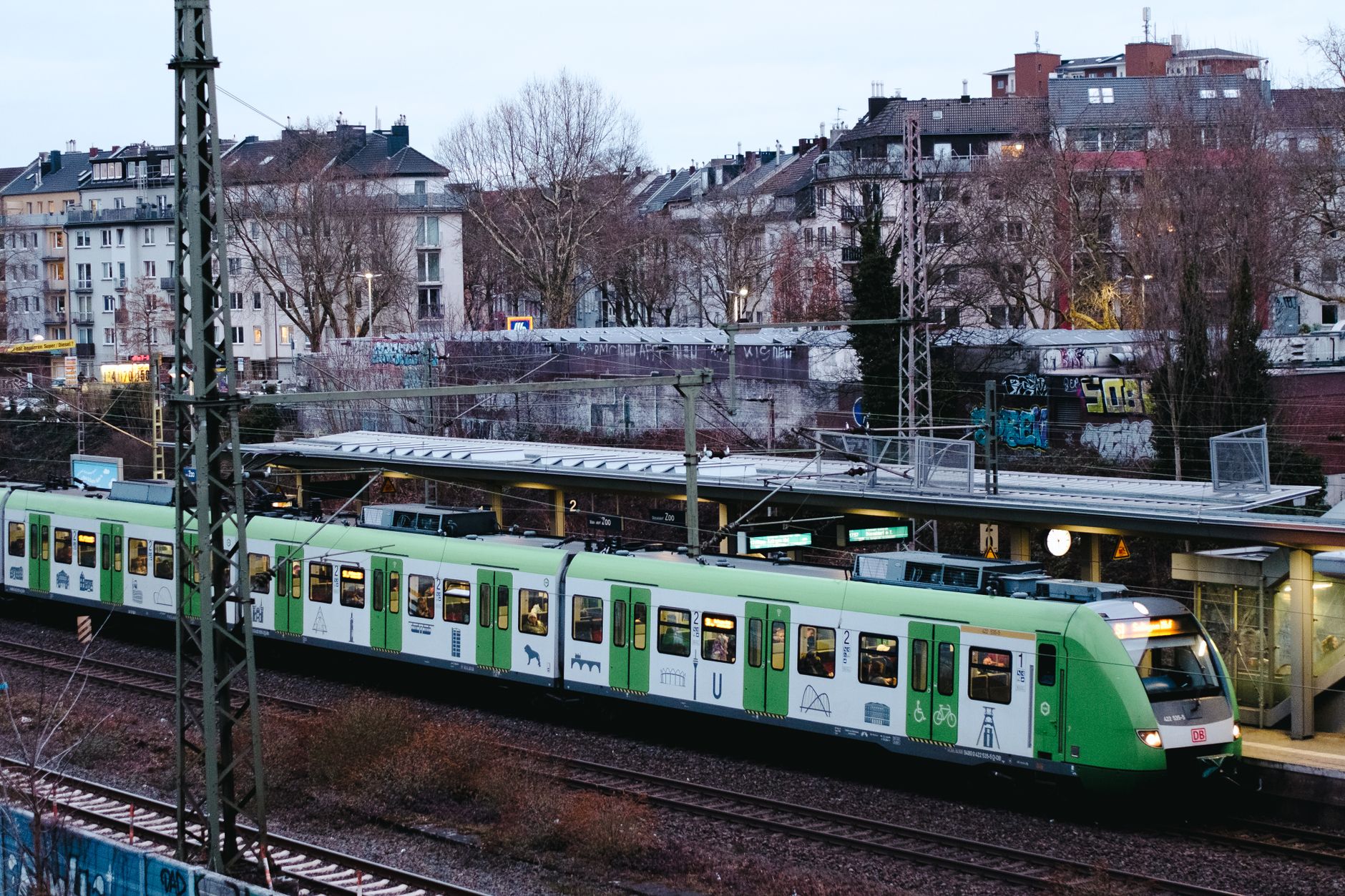
Germany’s rail network experienced an unprecedented nationwide pause on Tuesday evening, as Deutsche Bahn was forced to halt all train services for over two and a half hours due to a critical IT failure. The disruption, caused by a malfunction in the country’s digital railway radio system, brought the entire network—including regional, long-distance, and suburban trains—to a standstill, highlighting the vulnerabilities of modern rail infrastructure reliant on complex communication technologies.
How a Glitch in the GSM-R Communication System Grounded Trains Nationwide
The core of the disruption lay in the failure of the Global System for Mobile Communication for Railways (GSM-R), a specialized wireless communication network that connects train drivers with traffic control centers. This system is integral to ensuring safe and efficient train operations, enabling real-time communication for signaling, traffic management, and emergency coordination.
At approximately 22:30 local time, Deutsche Bahn announced that the GSM-R network had malfunctioned, forcing all trains to be held at stations across Germany. The breakdown in communication channels meant that trains could not receive operational instructions, making it unsafe to continue running services. For more than two and a half hours, passengers were stranded on platforms and in trains, with no clear timeline for resumption.
Implications for Passengers and Deutsche Bahn’s Response
The sudden halt affected millions of passengers relying on Deutsche Bahn’s extensive network, including long-distance travelers, commuters on regional lines, and users of the S-Bahn suburban trains that connect city centers with their suburbs. The disruption came at a challenging time, as Germany was experiencing extreme heat, further complicating the situation for stranded passengers.
Deutsche Bahn’s CEO, Evelyn Palla, acknowledged the severity of the incident and emphasized efforts to bring trains into stations so passengers could safely disembark. The company apologized for the inconvenience and promised to provide taxi and hotel vouchers to those affected, along with replacement transportation where feasible.
Despite the swift restoration of the GSM-R system by Deutsche Bahn’s IT experts, residual delays and cancellations continued as services gradually resumed. The S-Bahn Berlin, one of the busiest suburban networks, confirmed that while the GSM-R outage was resolved, passengers should still expect disruptions in the following hours.
What This Incident Reveals About Germany’s Rail Infrastructure
The nationwide pause underscores the critical dependency of modern rail systems on digital communication networks. GSM-R, while a robust and standardized system across Europe, is a single point of failure that can paralyze operations when compromised. This event raises questions about the resilience and redundancy of Germany’s rail communication infrastructure.
Germany’s rail network, operated predominantly by Deutsche Bahn, is one of the busiest and most extensive in Europe, serving millions daily. The integration of digital technologies has improved efficiency and safety but also introduced new risks. The incident reveals that even advanced systems require comprehensive backup protocols to prevent widespread disruptions.
Furthermore, the event highlights the importance of crisis communication. Deutsche Bahn’s real-time updates and offers of compensation were crucial in managing passenger frustration, but the initial uncertainty about the scale and duration of the outage added to the chaos.
Broader Context: Digital Vulnerabilities in Critical Transport Systems
This disruption is part of a growing trend where critical infrastructure, including transport networks, faces increasing risks from IT failures and cyber threats. As rail operators push forward with digitalization—incorporating automated signaling, real-time tracking, and wireless communications—the potential impact of technical glitches or cyberattacks grows exponentially.
European rail networks have been working on transitioning from GSM-R to the newer Future Railway Mobile Communication System (FRMCS), designed to offer enhanced security and capabilities. Incidents like this may accelerate the push toward upgrading to more resilient systems that can better handle failures without halting entire networks.
Looking Ahead: Strengthening Resilience and Passenger Trust
For Deutsche Bahn and Germany’s transport authorities, the challenge now is twofold: to investigate the root cause of the GSM-R failure thoroughly and to implement safeguards that prevent recurrence. This may involve investing in redundant communication pathways, enhanced monitoring systems, and comprehensive contingency plans.
From a passenger perspective, the incident serves as a reminder of the fragility of even the most sophisticated transport systems. It also emphasizes the need for diversified travel options and better real-time information during crises.
Ultimately, while the swift resolution of Tuesday’s outage was commendable, the event should prompt a broader reassessment of how digital infrastructure supports essential services. Ensuring reliability in the face of technical failures is critical not only for operational continuity but also for maintaining public confidence in national transport networks.
Recommended reading
For more context, see related Peack News coverage and explainers linked below.