
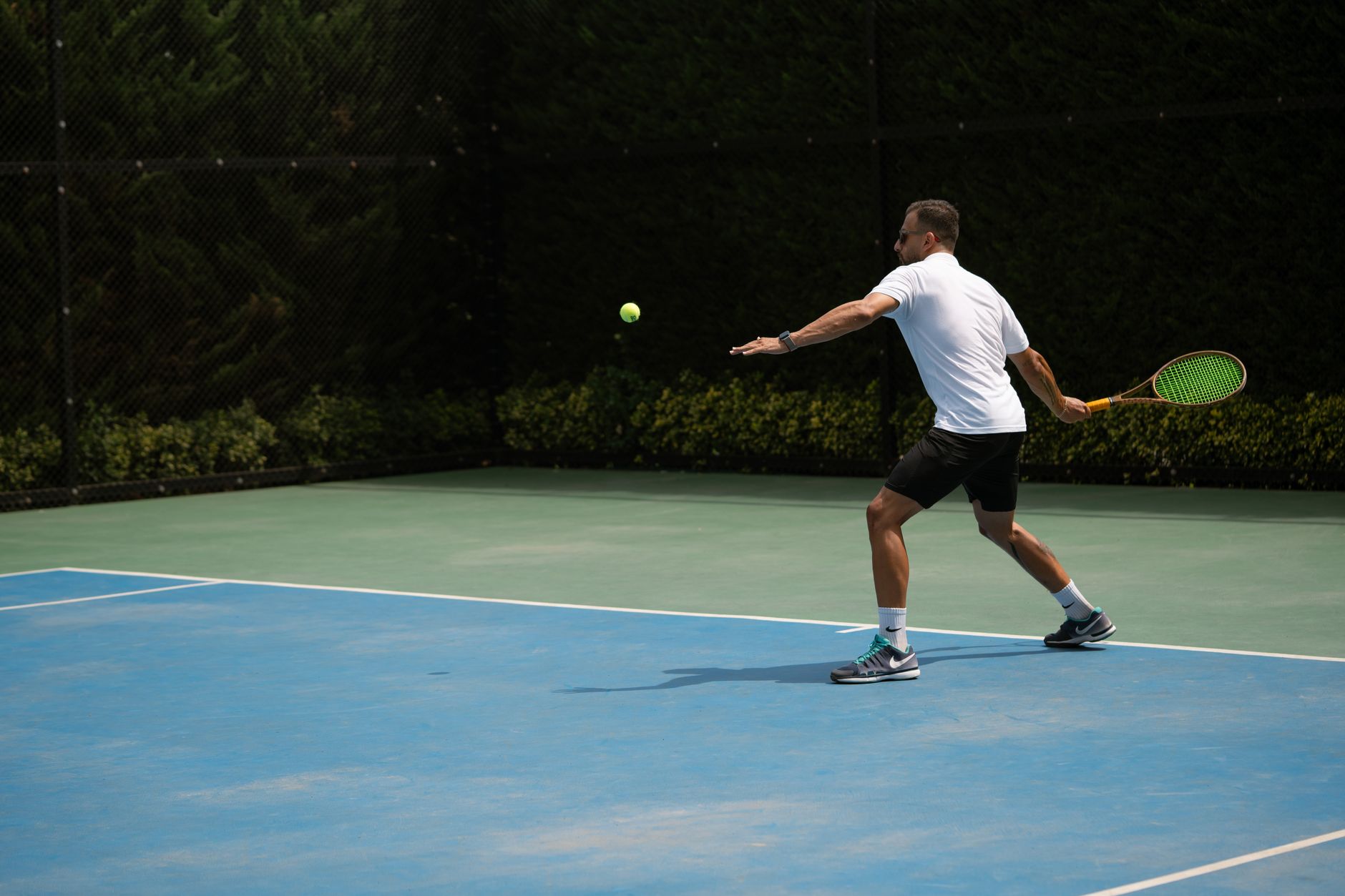
As Wimbledon showcases the world’s top tennis talent, many aspiring players face a common barrier: the cost of getting started. Tennis, often perceived as an expensive and exclusive sport, can seem out of reach due to fees for court time, coaching, and equipment. However, for those determined to pick up a racket without breaking the bank, there are numerous free and low-cost opportunities that make tennis accessible to all.
Breaking Down the Cost Barriers in Tennis
Traditionally, tennis has been seen as a sport for the well-off, partly because of the expenses associated with lessons, club memberships, and court hire. Unlike football, which can be played informally with minimal equipment, tennis courts require booking and maintenance, often leading to higher costs. This perception has discouraged many from trying out the sport, especially families facing financial constraints.
Yet, these barriers are not insurmountable. Organizations like the Lawn Tennis Association (LTA) have worked to democratize tennis by offering free sessions, often held on weekend mornings in public parks. These sessions provide access to courts and basic coaching without any charge, allowing newcomers to experience the sport first-hand.
Community Initiatives and Free Tennis Sessions
The LTA’s scheme is a shining example of how grassroots tennis is becoming more inclusive. Participants can find local “free tennis” sessions through online searches or community noticeboards. While coverage is not uniform across the UK, many urban and suburban areas host these gatherings, often led by volunteer coaches or local clubs aiming to grow the sport.
These sessions typically provide rackets and balls, meaning beginners do not need to invest in equipment upfront. This lowers the entry threshold significantly, enabling children and adults alike to try tennis with no financial commitment. The social aspect of these gatherings also helps foster a welcoming environment, encouraging regular participation and skill development.
Wider Access to Free Sports Activities
Tennis is just one part of a broader movement to increase sports participation across all demographics. Sport England, the national body responsible for grassroots sport, emphasizes that cost should never be a barrier to being active. Their investment in the Active Partnerships network helps coordinate free or low-cost sports activities tailored to local communities.
Beyond tennis, other sports offer free entry points. For example, the Chance to Shine charity runs free street cricket sessions, making the sport accessible to children in underserved areas. Similarly, Parkrun organizes free weekly running and walking events nationwide, encouraging people of all ages and fitness levels to get moving.
Campaigns like This Girl Can and Every Body Moves specifically target groups underrepresented in sport, such as women and people with disabilities, promoting inclusive and affordable participation options. These initiatives highlight the growing recognition that physical activity is vital not only for physical health but also for mental wellbeing.
What This Means for Aspiring Tennis Players
For those inspired by Wimbledon and eager to try tennis without the financial burden, the message is clear: opportunities exist, and they are expanding. By tapping into local free sessions, community programs, and national campaigns, newcomers can develop skills, enjoy the social benefits of sport, and improve their health without costly commitments.
While challenges remain—such as uneven access in rural areas or the need for more sustained funding—these initiatives mark a significant shift toward inclusivity in tennis and sport in general. As grassroots programs grow, the sport’s image as elitist is gradually being replaced with one of accessibility and community spirit.
So, whether you’re a parent looking to introduce your child to tennis, a beginner seeking a new hobby, or someone aiming to stay active, the pathways to play tennis without paying for lessons or court time are more open than ever. It’s time to pick up a racket and join in—Wimbledon’s excitement is just the beginning.
Recommended reading
For more context, see related Peack News coverage and explainers linked below.