
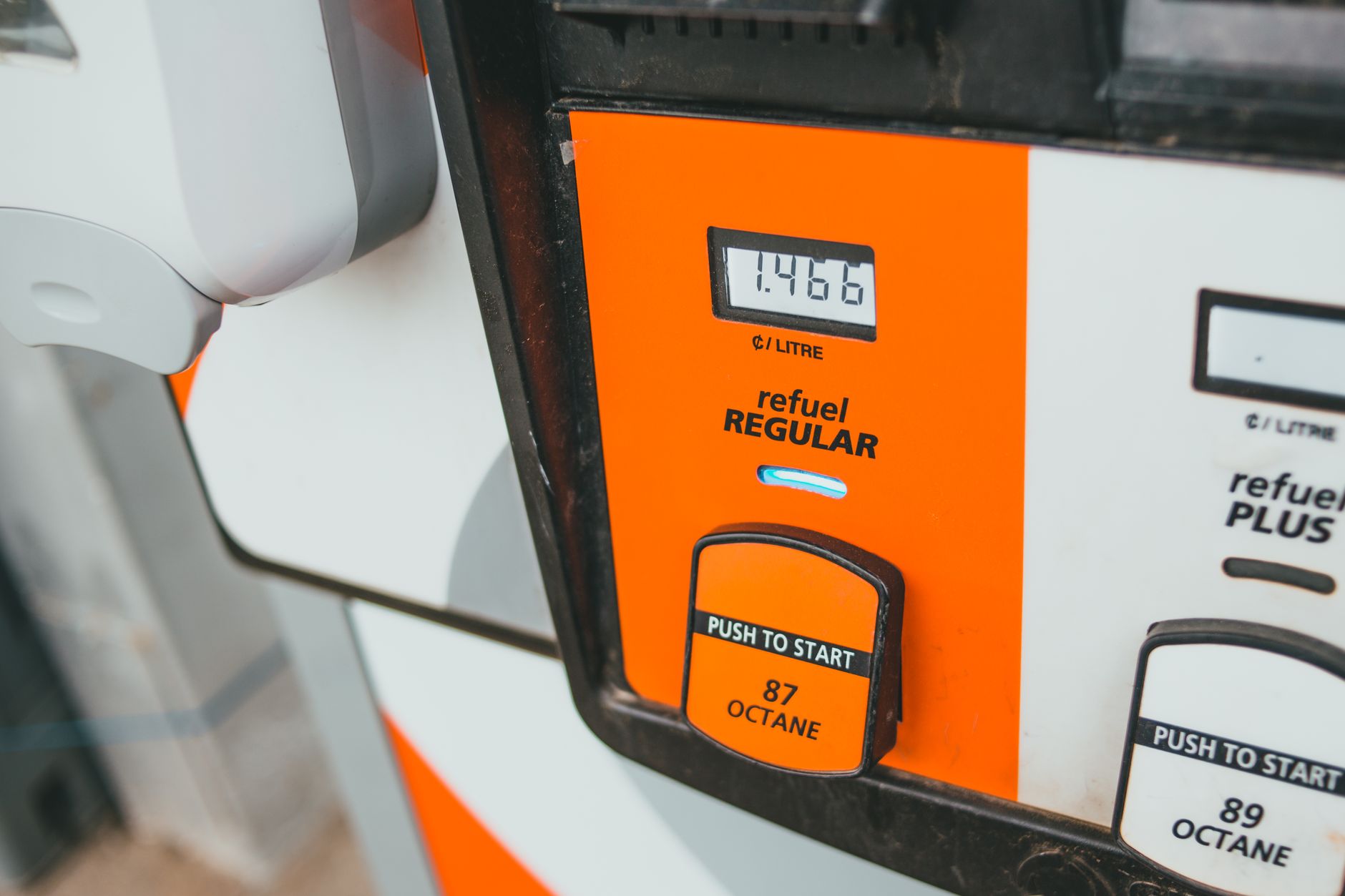
As the conflict between the US and Iran that erupted in late February shows signs of de-escalation, petrol prices in the UK are beginning to ease back towards levels last seen before the crisis began. This shift comes after months of volatility that sent oil prices soaring, impacting motorists and the broader economy. But while the immediate pressure on fuel costs is easing, the road ahead remains uncertain for consumers and markets alike.
From Crisis to Calm: How the Iran Conflict Sent Oil Prices Soaring
The flare-up in hostilities around the Strait of Hormuz—a vital chokepoint for global oil shipments—triggered a sudden spike in crude oil prices. When the US and Israel launched attacks on Iran on 28 February, Brent crude prices surged from around $70 a barrel to over $120, reflecting fears of a prolonged disruption to supply. The Strait of Hormuz normally channels about 20% of the world’s oil and liquefied natural gas, so any threat to its passage reverberates globally.
This surge translated directly to pump prices. Petrol in the UK peaked at nearly 160p per litre in late May, while diesel hit a high of over 191p in mid-April. For many drivers, the cost of filling up a typical family car rose by more than £10 compared to pre-conflict prices, compounding the pinch from inflation and other economic pressures.
How the Recent US-Iran Framework Deal Is Cooling Prices
In recent weeks, the announcement of a framework agreement between the US and Iran to end hostilities has helped oil prices retreat to near pre-war levels. Brent crude has fallen back to around $72 a barrel, down from the mid-$70s following the deal’s signing. This easing is beginning to show at the pumps, with average petrol prices dropping by a couple of pence per litre and diesel prices falling even more sharply.
Motoring groups like the AA and RAC are cautiously optimistic. The AA credits government initiatives such as the Fuel Finder scheme, which allows consumers to compare prices across petrol stations, with helping to accelerate price reductions. The RAC, however, argues that while prices are falling, the pace and scale of the cuts—especially for diesel—should be greater, suggesting retailers could pass on savings more quickly.
Why Fuel Prices Remain Elevated Despite Falling Oil Costs
Despite the recent downward trend, petrol and diesel prices remain significantly higher than before the conflict began. Filling a 55-litre family car still costs roughly £10 to £14 more than it did in late February. Several factors contribute to this lag:
- Supply chain delays: Oil transportation and refining are complex processes, meaning wholesale price changes take time to filter through to pumps.
- Global market uncertainties: Even with the US-Iran deal, shipping through the Strait of Hormuz is expected to normalize gradually, and geopolitical risks persist.
- Inflation and operational costs: Broader inflationary pressures continue to affect fuel retailers’ costs.
Moreover, the UK’s heavy reliance on imported oil—primarily from the US and Norway—means domestic prices are highly sensitive to global market fluctuations. Although the North Sea supplies some oil, much of it is exported for refining elsewhere, limiting its impact on local pump prices.
Government and Market Responses to Fuel Price Volatility
Recognizing the strain on consumers, the UK government has taken steps to mitigate the impact. Notably, a planned 5p increase in fuel duty scheduled for September has been postponed until the end of the year. This move aims to provide some relief during the summer driving season, when demand typically rises.
Meanwhile, fuel retailers have faced accusations of price gouging during the conflict, but market regulators have found no evidence of systematic profiteering. Transparency initiatives like the Fuel Finder tool empower consumers to shop around, fostering competition and discouraging excessive pricing.
The Road Ahead: What Drivers Should Expect
While the recent price drops offer welcome respite, experts caution that oil prices are unlikely to return to pre-conflict lows anytime soon. Some analysts predict Brent crude could remain above $100 a barrel for the rest of the year, influenced by ongoing geopolitical tensions and global economic factors.
For UK motorists, this means that while fuel costs may stabilize or even decline modestly in the near term, the era of ultra-cheap petrol and diesel is probably behind us. Longer-term solutions could involve accelerating the transition to electric vehicles and investing in alternative energy sources to reduce vulnerability to oil market shocks.
In the meantime, drivers are encouraged to monitor fuel prices actively and take advantage of comparison tools to minimize costs. The recent conflict has underscored how geopolitical events thousands of miles away can ripple through to everyday life, turning the simple act of filling up a car into a barometer of global stability.
Recommended reading
For more context, see related Peack News coverage and explainers linked below.