
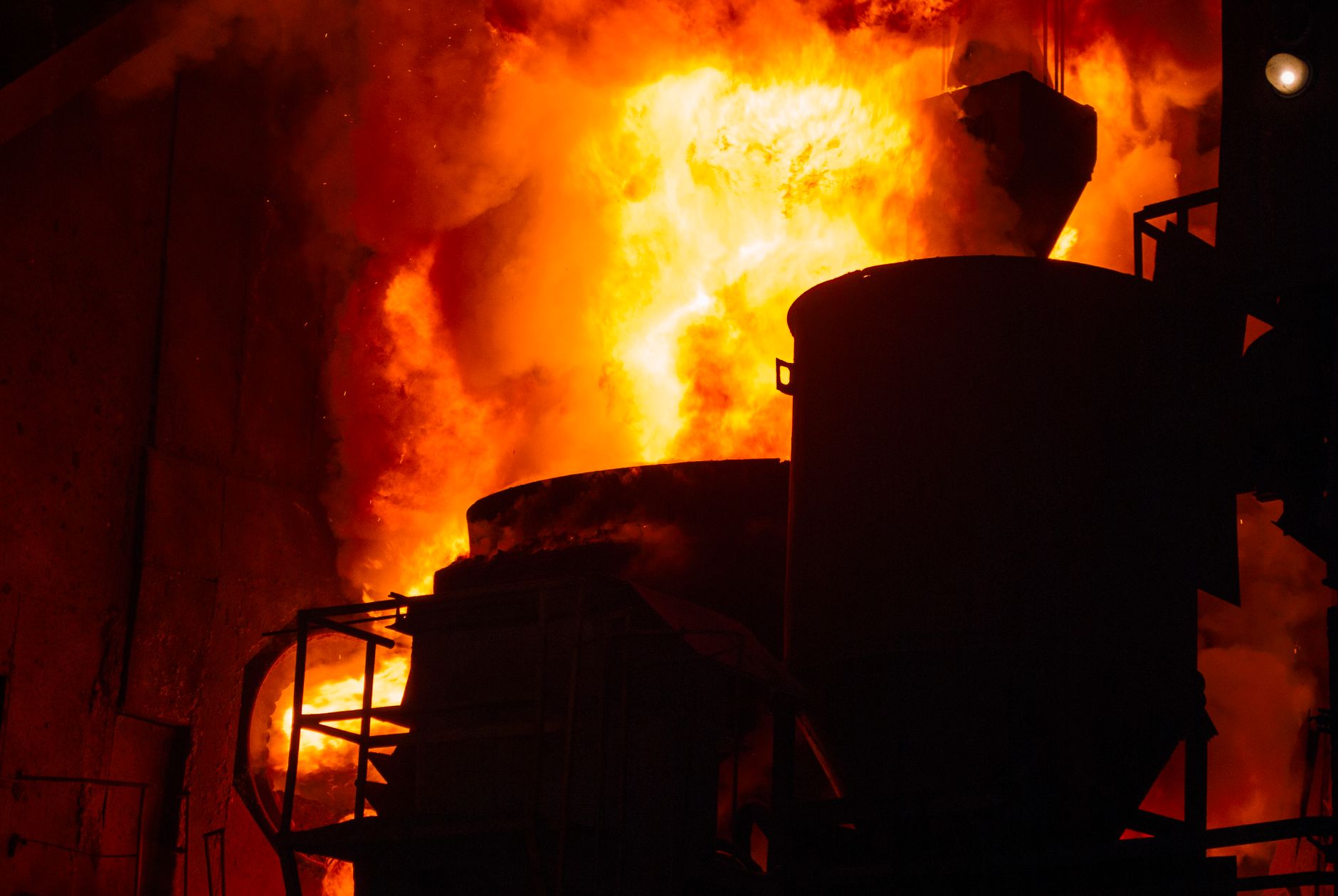
A devastating fire at a shoe factory in Jinjiang, China’s renowned “shoe capital,” has claimed at least 28 lives, casting a harsh spotlight on industrial safety standards in the country’s manufacturing heartland. The blaze, which erupted around midday local time on Thursday, engulfed the Huiteng Footwear factory, sending thick black smoke billowing into the sky and trapping workers inside. This tragedy underscores ongoing challenges in balancing rapid industrial growth with workplace safety in China’s export-driven economy.
Jinjiang’s Role in the Global Footwear Industry and the Impact of the Fire
Jinjiang, located in Fujian province, is a critical hub for the global sports shoe market, producing an estimated 20% of the world’s sports footwear. The city’s factories supply major international brands, making the region a linchpin in global supply chains. The destruction of the Huiteng Footwear factory not only represents a human tragedy but also threatens to disrupt production and logistics in an already volatile global market.
With nearly 240 employees reported to be inside the factory at the time of the fire, the scale of the disaster is stark. Despite the swift evacuation of 213 workers, 26 who were initially unaccounted for were later confirmed dead, with two others succumbing to injuries in hospital. The loss of life is a grim reminder of the risks faced by factory workers in sectors where safety protocols may be unevenly enforced.
What Went Wrong: Possible Causes and Safety Failures
Preliminary investigations suggest the fire originated on the factory’s ground floor, where flammable materials were stored. This points to potential lapses in fire safety management, including improper storage of hazardous substances and inadequate emergency response systems. The presence of such materials in a densely staffed industrial environment highlights systemic vulnerabilities.
Authorities have detained several individuals connected to the factory’s ownership and management, signaling a crackdown on negligence. The freezing of the company’s bank accounts further indicates the seriousness with which the government is treating accountability in this case. These moves reflect a broader governmental push to enforce stricter safety standards following a series of industrial accidents across China this year.
Government Response and Broader Implications for Industrial Safety in China
President Xi Jinping condemned the incident, emphasizing the need for those responsible to be held strictly accountable. He called for “rigorous and effective safety measures” and urged officials to draw lessons from this and other recent industrial accidents. This rhetoric aligns with a nationwide campaign launched after a catastrophic fire in Hong Kong last year that killed 168 people, aimed at preventing similar tragedies in high-rise buildings and industrial sites.
The Jinjiang fire exposes the ongoing tension between China’s rapid industrial expansion and the enforcement of safety regulations. While the government has made public safety a priority, enforcing compliance across millions of factories remains a daunting challenge. This incident may prompt renewed scrutiny of industrial practices, particularly in labor-intensive sectors that fuel China’s export economy.
Human Cost and the Future of Factory Safety
Beyond the immediate loss of life, the fire raises urgent questions about the welfare of factory workers who form the backbone of China’s manufacturing prowess. Many workers operate under intense pressure, often in environments where safety measures are secondary to production demands. The Jinjiang tragedy could galvanize calls for stronger labor protections and improved emergency preparedness.
As the global footwear industry watches closely, the incident serves as a somber reminder that economic growth cannot come at the expense of human lives. For Jinjiang and similar industrial centers, the challenge will be to rebuild not only infrastructure but trust among workers and communities that their safety is paramount.
Recommended reading
For more context, see related Peack News coverage and explainers linked below.