
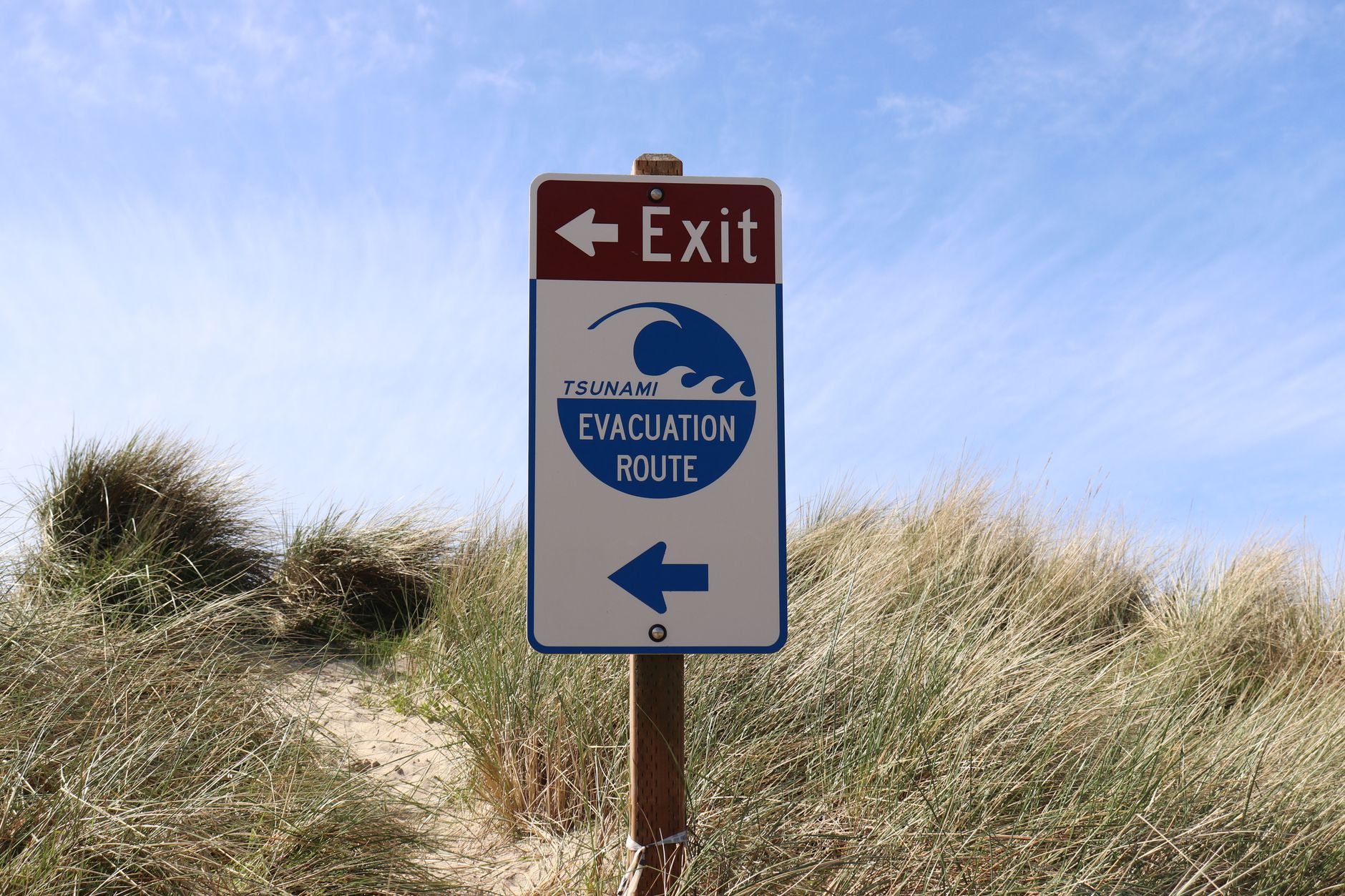
As Typhoon Dujuan lashes Japan’s Pacific coast, nearly two million residents have been ordered to evacuate, underscoring the growing vulnerability of the island nation to increasingly intense storms. While the immediate danger has been somewhat downgraded, the typhoon’s impact has already been deadly, with at least two confirmed fatalities and multiple people missing. The storm’s arrival amid a national holiday has disrupted travel, events, and daily life, spotlighting the challenges Japan faces in balancing preparedness and resilience against nature’s fury.
Typhoon Dujuan’s Path and Immediate Impact
Typhoon Dujuan, Japan’s 25th typhoon this year, made landfall with sustained winds of 130 km/h (81 mph) and gusts reaching nearly 200 km/h. The storm has battered multiple prefectures along the Pacific coast, causing widespread power outages affecting over 50,000 households. Transportation networks have been severely disrupted, with hundreds of flights canceled and rail services suspended, stranding many travelers during the country’s five-day holiday period.
Public safety warnings initially described an “imminent threat to life,” prompting authorities to issue evacuation orders to millions. Although some warnings have since been downgraded, the damage is already evident. Emergency services report fatalities linked to landslides and flooding, including a woman in her 60s who was found deceased after being buried in her home and a man in his 50s who died after being trapped while clearing debris at a landslide site. In Kanagawa prefecture, residents have reported houses crushed by landslides, highlighting the storm’s deadly force.
Disruptions to Public Life and National Response
Typhoon Dujuan’s timing has compounded its effects. The storm struck during a major holiday, causing cancellations of prominent cultural events such as the Rock in Japan music festival and the Tokyo Game Show, both of which called off Monday’s programs. These cancellations reflect the broader social and economic toll that natural disasters impose beyond the immediate physical damage.
Prime Minister Sanae Takaichi expressed condolences to the victims while affirming her commitment to continue with scheduled international engagements, including a trip to the United States and a speech at the UN General Assembly. She emphasized a “sense of urgency” in government response efforts, delegating key ministers to oversee preparedness and relief operations. This dual focus on domestic crisis management and diplomatic responsibilities underscores the balancing act Japan’s leadership must perform during emergencies.
Climate Change and the Rising Threat of Typhoons in Japan
Typhoon Dujuan’s ferocity is part of a broader pattern that scientists attribute in part to climate change and natural climate phenomena like El Niño. While the total number of typhoons globally may not be increasing, the intensity of storms affecting Japan is on the rise. Warmer ocean temperatures fuel stronger winds and heavier rainfall, increasing the destructive potential of each storm.
Japan’s geographical location makes it particularly susceptible to these intensified typhoons. Research indicates that the country’s exposure to severe storms has grown over recent decades, posing escalating risks to infrastructure and human safety. The current “super El Niño” event is believed to be amplifying this trend by warming Pacific waters, which in turn energizes storms like Dujuan.
Long-Term Implications for Disaster Preparedness and Urban Planning
The devastation wrought by Dujuan highlights the urgent need for Japan to adapt its disaster preparedness strategies and infrastructure to a changing climate. Urban areas, particularly those with dense populations and aging infrastructure, face heightened risks from landslides, flooding, and power outages. Enhancing early warning systems, reinforcing critical infrastructure, and improving evacuation logistics are essential steps to mitigate future disasters.
Moreover, the economic impact of storm-related disruptions—ranging from canceled events to interrupted supply chains—calls for integrated approaches that address both immediate relief and long-term resilience. Japan’s experience serves as a cautionary tale for other nations in typhoon-prone regions, emphasizing the importance of proactive climate adaptation policies.
The Road Ahead: Recovery and Resilience
As Typhoon Dujuan moves northward, authorities continue search and rescue operations while assessing the full scope of the damage. The coming days will reveal the storm’s lasting impact on communities and infrastructure. Meanwhile, the government’s response will be closely scrutinized, with public expectations high for effective relief and reconstruction efforts.
Dujuan’s arrival during a period of heightened climate variability underscores the increasing frequency with which extreme weather events will challenge societies worldwide. Japan’s ability to learn from this event and strengthen its disaster response framework will be crucial in safeguarding millions of lives against future typhoons.
Recommended reading
For more context, see related Peack News coverage and explainers linked below.
- German Chancellor Merz calls state election a disaster for his party but pledges to remain
- Ed Davey urges immediate 10p reduction in fuel duty
- Ukraine launches hundreds of drones in largest attack on Moscow, mayor says
- Explainer: Major Cybersecurity Threats in 2026
- Explainer: US-China Tech Competition