
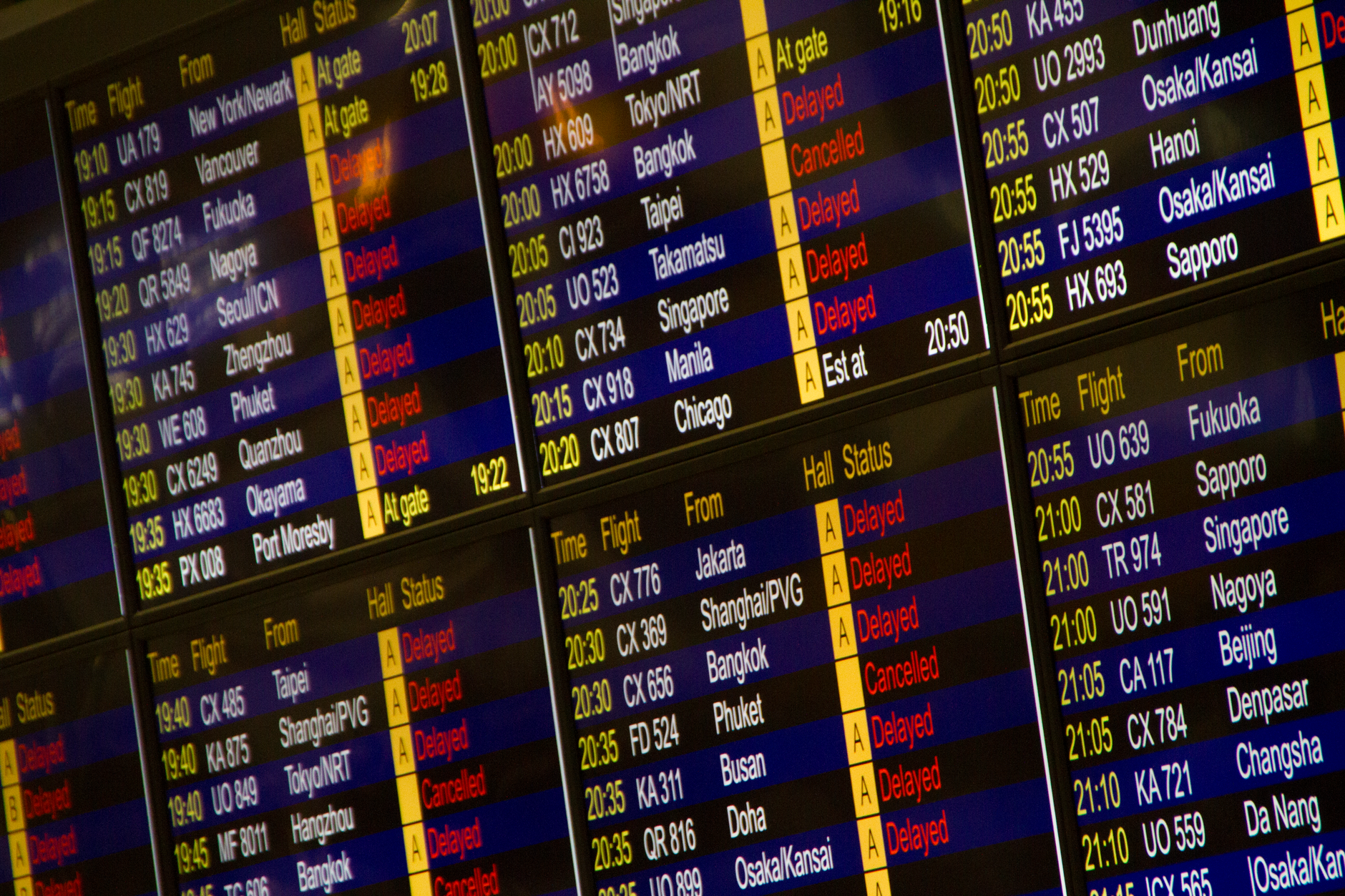
Major disruptions hit the US East Coast air travel network on Monday after construction workers accidentally severed a critical backup cable for air traffic control systems. The incident triggered widespread delays and ground stops across key airports in New York, New Jersey, Pennsylvania, and Massachusetts, affecting hundreds of flights just ahead of the United Nations General Assembly in New York City. Although the cable was repaired within hours and operations gradually resumed, the episode exposed vulnerabilities in infrastructure management and raised questions about coordination among agencies responsible for critical transportation assets.
How a Single Cut Cable Cascaded into a Regional Air Traffic Crisis
The disruption began when construction workers, reportedly employed by a contractor for NJ Transit, mistakenly cut a telecommunications cable that served as a backup network for the Terminal Radar Approach Control (TRACON) system. TRACON is vital for managing aircraft during takeoff and landing phases, ensuring safe and efficient traffic flow in busy airspace corridors. The severed cable went unnoticed initially because the primary circuit was still operational, but when the main line subsequently failed, the loss of the backup system forced the Federal Aviation Administration (FAA) to ground flights to maintain safety.
Newark Liberty International Airport bore the brunt of the disruption, with over 500 flights delayed in total, including 267 departures and 257 arrivals. JFK and LaGuardia airports in New York City, along with Philadelphia International Airport, also experienced significant delays. Passengers faced prolonged waits, diversions, and uncertainty, highlighting the cascading effects that a single infrastructure failure can have on a tightly interconnected air traffic network.
The Complex Web of Responsibility and Coordination Failures
Initial statements from US Transportation Secretary Sean Duffy attributed the damage to Amtrak workers performing construction, but subsequent clarifications identified the workers as contractors for NJ Transit, New Jersey’s public transportation agency. Verizon, which owns the cable infrastructure, denied responsibility, underscoring the fragmented ownership and oversight of critical communications lines.
This confusion reveals a troubling lack of coordinated oversight among multiple agencies—rail operators, telecommunications companies, and federal aviation authorities—all of whom play a role in maintaining infrastructure that supports national air traffic control. The misplacement of digging markers and inadequate communication between these entities allowed the cable to be cut, despite its critical role as a backup system.
Impact on Passengers and the Broader Air Travel Ecosystem
The timing of the incident was particularly disruptive, occurring on the eve of the UN General Assembly in New York, which attracts numerous international dignitaries and world leaders. While some, like UK Prime Minister Andy Burnham, managed to arrive before the chaos unfolded, many travelers experienced significant inconvenience.
One passenger who flew from Edinburgh to New York recounted being diverted to Boston and then stranded on the tarmac for hours without clear information. Such experiences underscore the human cost of infrastructure failures—beyond the economic impact of delayed flights and disrupted schedules.
Beyond immediate passenger frustration, the event strained airline operations, airport logistics, and air traffic control resources. Delays ripple through the system, affecting connecting flights and cargo shipments, and can erode traveler confidence in the reliability of air travel during peak periods.
Lessons for Infrastructure Management and Future Resilience
This incident serves as a stark reminder of the fragility of critical infrastructure networks and the importance of rigorous coordination among all parties involved in their maintenance and operation. As air traffic volumes continue to rebound post-pandemic, the resilience of air traffic control systems becomes ever more crucial.
Investment in better mapping of underground utilities, improved training and oversight of construction crews, and enhanced communication protocols between transportation agencies and telecom providers are essential steps to prevent similar disruptions. Furthermore, the FAA and related agencies may need to reassess the redundancy and robustness of their backup systems to ensure that a single point of failure cannot cascade into widespread operational paralysis.
Looking Ahead: Balancing Growth with Infrastructure Security
The US air travel system is under pressure from increasing passenger numbers and evolving security requirements. Incidents like Monday’s cable cut highlight the ongoing challenge of maintaining and upgrading aging infrastructure amid complex urban environments.
As cities like New York continue to serve as global hubs, the stakes for reliable air traffic control are high. Proactive measures to safeguard critical systems against accidental damage and to streamline inter-agency coordination will be vital to sustaining safe, efficient air travel in the future.
Recommended reading
For more context, see related Peack News coverage and explainers linked below.